The Crisis at Castlehill: Exposing Systemic Failures in UK Care Homes
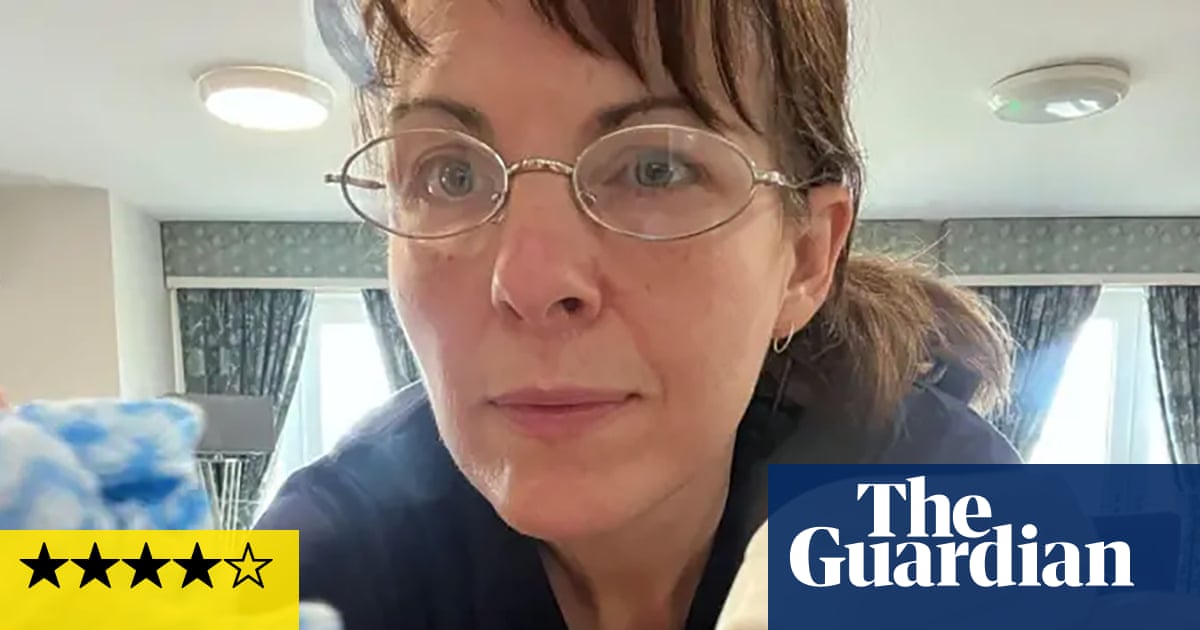
The recent BBC Two documentary, Care Home Undercover, has ripped back the veil on a deeply troubling reality within the UK’s care home system. Focusing on Castlehill,a home run by Morar Living,the investigation reveals a landscape of neglect,systemic understaffing,adn a disturbing lack of compassion – all while notable profits are being generated. This isn’t simply a story of one failing institution; it’s a stark warning about the vulnerabilities of a sector desperately in need of radical reform. As a long-time advocate for elder care standards and with years of experience analyzing care quality data, the findings at Castlehill are, sadly, not surprising, but profoundly concerning.
A Descent into Disrepair: The Reality at Castlehill
The documentary, available on iPlayer, paints a harrowing picture. new manager, MacPhee, quickly discovered a home spiraling into dysfunction. Residents were routinely left in soiled conditions – incontinence pads unchanged for over 12 hours, human waste visible in communal areas. One woman hadn’t been bathed for weeks. These aren’t isolated incidents; they are symptoms of a critical staffing shortage compounded by a pervasive apathy amongst some staff members.
The Care Inspectorate,Scotland’s regulatory body,initiated an investigation,but the issues ran far deeper than minor inadequacies. The documentary highlights a pattern of risky neglect. The ease with which a resident,Jessie,was simply walked out of the building unnoticed by staff underscores a shocking lack of oversight and accountability.
The Power of Evidence: Hidden Cameras and Upholding Complaints
The investigation was sparked by a surge of complaints, most notably from Su, whose hidden camera footage exposed deeply disturbing behavior. She captured a carer and housekeeper threatening her father, a dementia patient, and physically restraining him. Su’s courageous act of documenting the abuse led to a police complaint and, ultimately, a full upholding of her complaint by the Care Inspectorate.
This wasn’t an anomaly. Castlehill received more upheld complaints than any other care home in Scotland last year. This statistic speaks volumes about the systemic issues plaguing the facility. The sheer volume of need overwhelmed existing staff, leading families like Vanessa’s to effectively become unpaid carers, providing essential support simply because the home couldn’t.
Beyond Staffing: A Culture of Indifference
While understaffing is a significant contributor to the problems at Castlehill, the documentary reveals a more insidious issue: a lack of genuine care. Hidden camera footage shows Teasha, a resident, in obvious distress, repeatedly ignored by staff who knew her well. A colleague, speaking anonymously, described a culture where basic care tasks were avoided, with staff prioritizing convenience over resident wellbeing. “There’s principles and they don’t have it,” she stated, highlighting a basic failure of compassion and professional ethics.This isn’t about a lack of skills; it’s about a lack of moral commitment.
The emotional toll on families is devastating. Linda’s heartbreaking reaction to footage of her mother-in-law, Rachel, being subjected to intimate care by a male staff member – against her explicitly stated wishes – underscores the profound betrayal experienced by those who entrusted Castlehill with their loved ones’ care. Beyond the immediate physical neglect,the lack of stimulation and engagement contributed to rapid cognitive decline in residents,further diminishing their quality of life.
Profit vs. People: The Financial Reality
The documentary doesn’t shy away from addressing the financial aspect. Castlehill charges a staggering £7,033 per month per resident,while Morar Living anticipates £90 million in pre-tax profits over the next five years. This raises a critical question: are profits being prioritized over the wellbeing of vulnerable individuals?
Morar Living’s response, issued in a statement, focuses on monitoring, clinical leadership, and investment in refurbishment. They claim to have eliminated zero-hour contracts and highlight recent improvements noted by the Care Inspectorate.However,these measures feel like reactive damage control rather than a proactive commitment to systemic change. The hope is that shareholders, as the documentary suggests, are paying attention and demanding better.
The Urgent Need for Systemic Reform
Care Home Undercover doesn’t offer easy answers.The problems are complex and deeply rooted. Simply recruiting more staff, while necessary, is insufficient. A radical overhaul of the care sector is required, encompassing:
* Increased Funding: Adequate funding is essential to ensure fair wages for care workers, attract qualified professionals, and provide the resources necessary for quality care.
*
Keep reading