The Digital Starlet & the Future of Hollywood: Navigating the AI Revolution in Entertainment
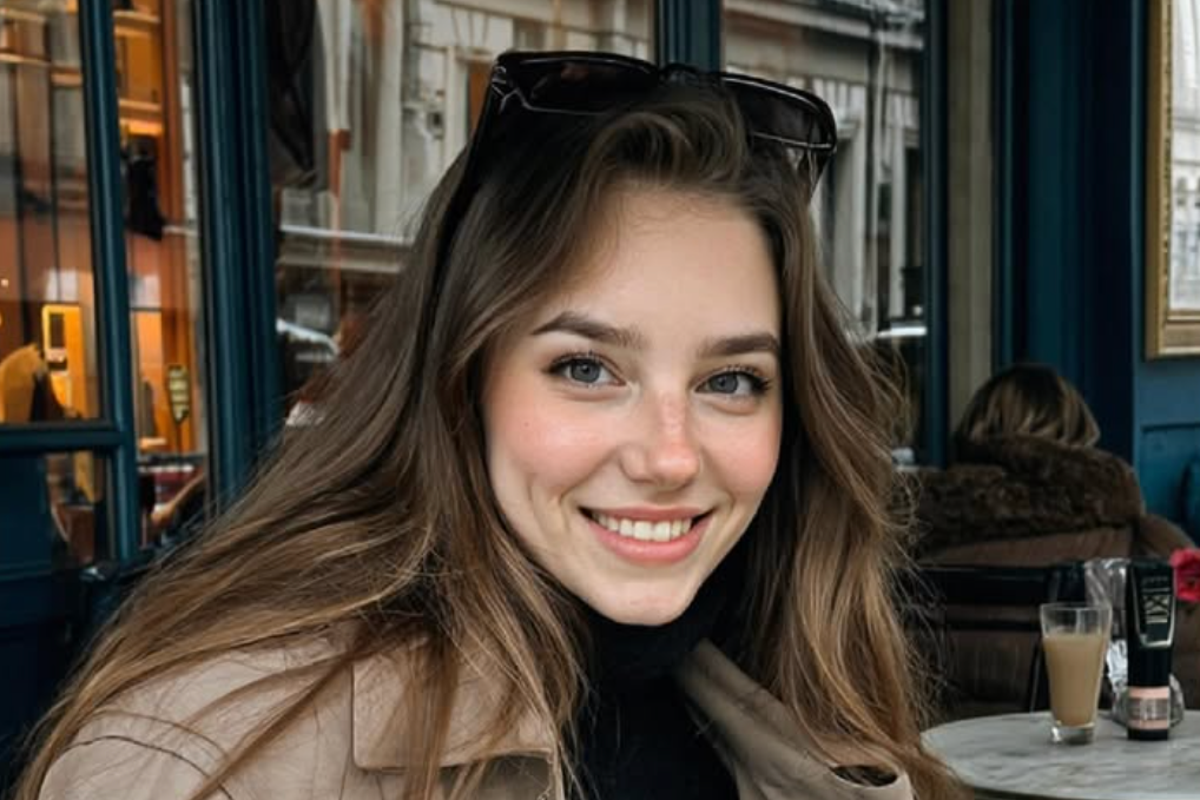
The arrival of Tilly Norwood, the AI-created “actress” from production company Particle 6, has ignited a fierce debate within Hollywood and beyond. While CEO Eline van der Velden frames Norwood as a creative work – a modern art piece sparking vital conversation – the underlying implications are far more complex than a simple artistic statement. This isn’t the Sistine Chapel; it’s a sophisticated algorithm, and its emergence signals a seismic shift in the entertainment landscape.
The genie is undeniably out of the bottle. Billions in venture capital are fueling the AI revolution, impacting not just art, film, and literature, but also healthcare, retail, and technology. We’re moving beyond theoretical discussions and into a reality where digital alternatives are actively challenging established creative industries.
The Allure for Industry Players: A Cost-Benefit Analysis
let’s be frank. From a purely buisness perspective, the appeal of AI actors like Tilly Norwood to studio executives is significant. Consider the advantages:
* Unwavering Compliance: No demanding contracts, no negotiation for script changes (like adhering to the Bechdel test), and no battles for equal pay.
* Reduced Risk & Costs: Eliminates expenses related to insurance, stunt safety protocols, and the increasingly vital role of intimacy coordinators.
* Perpetual Youth & Appearance: The promise of a consistently “marketable” appearance, free from the natural effects of aging.
* Complete Control: Studios maintain absolute control over the “talent,” minimizing potential PR issues or unpredictable behavior.
For the unscrupulous,it’s a tempting proposition. But is it a enduring one?
Beyond the Hype: AI’s Early “Successes” & A Dose of Reality
The narrative that audiences will always prefer the human touch is comforting, but increasingly challenged by early indicators.
* Velvet Sundown: An AI-generated band achieved a million Spotify plays before its artificial origins were revealed, demonstrating a surprising appetite for algorithmically-created music.
* Pittsburgh University Study: readers surprisingly preferred AI-generated poetry over works by literary giants like T.S. Eliot and Sylvia Plath.
While these results could be interpreted as evidence of AI’s burgeoning artistic capabilities, a more pragmatic view suggests a willingness to accept – and even enjoy – readily available, easily digestible content. Let’s be honest, sometimes people just like things, irrespective of their provenance.
The fact that Tilly Norwood has already amassed over 45,000 Instagram followers, and is attracting interest from talent agencies, further underscores this point. The public is curious, and curiosity translates to engagement.
The Bigger Picture: This is Just the Beginning
It’s crucial to understand that Norwood isn’t an isolated incident. She represents the first wave of AI’s influence on the arts.
We are inherently social creatures. Live performance – theater, concerts – will likely endure becuase of the communal experience it offers.However, the screen-based entertainment world is far more susceptible to disruption.
Here’s what we can expect to see in the coming years:
* AI as a Collaborative Tool: AI will likely become integrated into the creative process, assisting with scriptwriting, storyboarding, and visual effects.
* Hyper-Personalized Content: AI will enable the creation of content tailored to individual viewer preferences, possibly leading to a fragmentation of mass-market entertainment.
* Digital Recreations & “De-Aging”: Expect to see increased use of AI to recreate deceased actors or digitally de-age existing ones.
* The Rise of “Synthetic Media”: AI-generated characters and narratives will become increasingly sophisticated and prevalent.
The question isn’t if AI will transform the entertainment industry, but how.
Navigating the Ethical & Creative Crossroads
the emergence of AI actors forces us to confront basic questions about authorship, authenticity, and the value of human creativity. We need a nuanced conversation – one that acknowledges both the potential benefits and the inherent risks.
ignoring the issue won’t make it disappear. Instead, we must proactively address the ethical implications, protect the rights of human artists, and ensure that AI serves as a tool to enhance creativity, not replace it. the future of entertainment depends on it.
About the Author: [Your Name/company Name] –