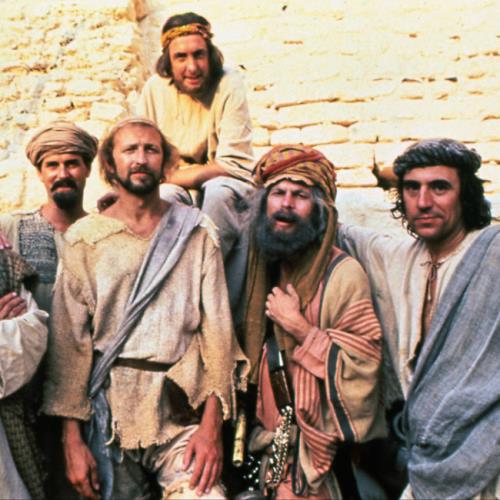
The End of Outrageous Comedy? Eric Idle on Political Correctness and the Legacy of Monty Python
Eric Idle, the comedic genius behind Monty Python, recently voiced a provocative thought: the current climate of political correctness likely means we’ll never see another comedy troupe quite like his. At 82, Idle reflects on a time when boundaries were pushed, and societal norms were gleefully mocked – a freedom he believes is increasingly rare.But is this simply nostalgia, or a genuine observation about the evolving landscape of comedy? This article delves into Idle’s comments, the past context of Monty Python’s success, and the broader implications for humor in the 21st century.
A Golden Age of Unfettered Humor
Monty Python – comprised of Idle, John Cleese, Sir Michael Palin, Terry Gilliam, and the late Terry Jones and Graham Chapman – revolutionized comedy in the 1970s and 80s. their work, including iconic films like Monty Python and the Holy Grail (1975), Life of Brian (1979), and The Meaning of Life (1983), fearlessly tackled taboo subjects like religion, politics, and societal hypocrisy.
Idle recalls a remarkably uninhibited creative environment. “The only censorship thing anyone had was the BBC, and they really didn’t bother us,” he shared on The Adam Buxton Podcast. This allowed the troupe to develop sketches and films that, today, might face immediate backlash.
Challenging the Status Quo: Life of Brian and Beyond
Life of Brian, a satirical take on the story of Jesus, famously faced attempts at being banned by the Church of England for blasphemy. Yet, the film became a cultural touchstone, demonstrating the power of comedy to challenge established beliefs.This willingness to provoke was central to Monty Python’s appeal.
Beyond feature films, the troupe’s influence extended to television with Monty Python’s Flying Circus, a sketch show celebrated for its surreal humor and innovative use of animation. They didn’t just tell jokes; they deconstructed the very idea of what a joke could be.
The Yoko Ono Sketch: A Case Study in Shifting Sensibilities
Idle highlighted a specific example illustrating how far comedic boundaries have shifted: a sketch from Rutland Weekend Television that lampooned yoko Ono as the daughter of Adolf Hitler. Remarkably, Ono herself found the parody hilarious.
“She loved it,” Idle explained.”They loved the fact that she was Hitler’s daughter. Because she was treated that way by the press.” The sketch played on the negative public perception of Ono at the time, turning vitriol into absurdity. Today, such a sketch would likely be deemed deeply offensive and would struggle to even reach production.
George Harrison’s Crucial Support and the Birth of HandMade Films
The creation of Life of Brian wouldn’t have been possible without the financial backing of George Harrison.Recognizing the film’s potential and facing resistance from conventional studios, Harrison personally funded the project.
This act of support led to the founding of HandMade Films, a production and distribution company that championed independent cinema. HandMade Films whent on to produce critically acclaimed films like The Long Good Friday, Time Bandits, Mona lisa, and Withnail and I, solidifying its place in film history.
Why Now? The Rise of “Cancel Culture” and Sensitivity
Idle’s comments tap into a broader debate about the impact of “cancel culture” and increased sensitivity on creative expression. While intentions are frequently enough positive – aiming to protect marginalized groups and promote inclusivity – some argue that this environment stifles risk-taking and encourages self-censorship.
Here’s a breakdown of the key factors at play:
* Social Media Amplification: Offense is frequently enough magnified and rapidly disseminated through social media, leading to swift and intense public reactions.
* Increased awareness: A heightened awareness of social justice issues has led to greater scrutiny of perhaps harmful or offensive content.
* Fear of Reprisal: Comedians and artists may fear professional repercussions – loss of gigs, sponsorships, or public support – for pushing boundaries.
Is Outrageous Comedy Dead?
While Idle’s assessment may seem bleak, it’s not necessarily a death knell for all forms of challenging comedy. However, it does
Worth a look