Navigating the Complex World of Sanctions Against Russia: Impact, Evasion, and the Path Forward
The international response to russia’s invasion of Ukraine has been defined by an unprecedented wave of economic sanctions. But are these measures truly crippling the Kremlin’s war machine? and what innovative - and concerning – strategies are emerging as Russia attempts to circumvent them? This analysis delves into the current sanctions landscape, exploring their effectiveness, the challenges of enforcement, and the evolving tactics employed by both sides.
The Sanctions Arsenal: A broad-Based Approach
Western nations have deployed a multi-faceted sanctions strategy targeting Russia’s financial system, key industries, and individuals linked to the conflict.This includes:
* Asset Freezes: Approximately $300 billion in Russian sovereign assets held in Western countries have been frozen, representing a significant economic blow.
* Financial Restrictions: Cutting off major Russian banks from the SWIFT international payment system and restricting access to capital markets.
* Export Controls: Limiting Russia’s access to critical technologies, including semiconductors and advanced manufacturing equipment.
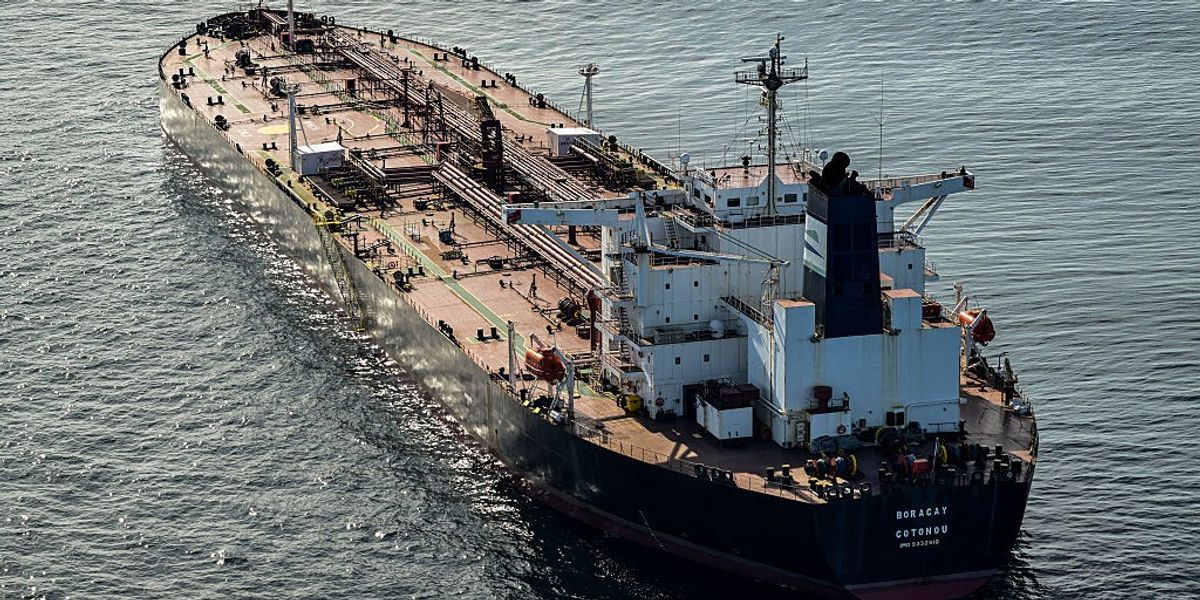
* Oil Price Caps & Surcharges: Attempts to limit revenue from energy sales, a vital source of funding for the Russian government.
however, the effectiveness of these measures is a subject of ongoing debate. While sanctions undoubtedly inflict economic pain, Russia has proven remarkably resilient.
The Controversy of Sovereign asset Seizure
A particularly contentious proposal gaining traction is the outright seizure of frozen Russian assets and repurposing them for Ukraine’s reconstruction. This is a radical step, breaking with long-held principles of international finance that protect sovereign immunity.
Experts like Tannebaum highlight the historical precedent against such actions. “There is absolutely a precedent of not trying to cross that line of seizing a sovereign’s assets,” he notes. Yet, he also acknowledges the unique circumstances: “You also don’t see a sovereign invade another sovereign in the 21st century.”
The debate underscores the tension between established norms and the perceived need for a stronger response to aggression.
Maximizing Impact: Beyond Current Measures
Some analysts argue that current sanctions aren’t going far enough, particularly regarding energy revenues. CSIS’s Siegle proposes a surcharge on every barrel of Russian oil imported, even from sources compliant with G-7 restrictions, in exchange for tariff waivers.
“Russia is still making enough from oil sales… This new surcharge would crush Moscow’s oil revenues and provide a new cash flow that could be used to confront Putin and defend Ukraine,” Siegle argues.
The Primacy of Military Aid
Despite the focus on economic pressure, many experts believe that direct military assistance to Ukraine remains the most critical factor. Graham emphasizes that battlefield success is paramount.
“It’s the battlefield that’s critical here, not sanctions, particularly if we’re looking at the near term,” he states. “If Russia is not making progress in the actual battle,that is something that is going to lead to reconsideration in the Kremlin.”
Russia’s Countermove: Sanctions Evasion as a Discipline
Perhaps the most alarming progress is Russia’s proactive approach to sanctions evasion. Recognizing that these measures are likely to persist, Russia’s Higher School of Economics has launched a dedicated master’s program focused on navigating and circumventing Western sanctions.
The two-year course, offered in both Russian and English, trains students in compliance issues and sanctions workarounds. Annual tuition is a relatively modest $6,260.
Igor Lipsits, a former professor at the university, explained to russian media that the program reflects a “recognition that sanctions are here to stay. People are expected to learn how to work around them.”
This initiative is a clear indication that Russia is not passively accepting sanctions, but actively preparing to mitigate their impact. As Tannebaum points out, the very existence of the program suggests sanctions are hurting the Russian economy. “If they’re not hurting them, why are you teaching people how to evade sanctions?”
Looking Ahead: A Long-Term Challenge
The sanctions regime against Russia is a complex and evolving landscape. While economic pressure plays a role, it’s unlikely to be a decisive factor on it’s own. A combination of sustained military aid to Ukraine,innovative sanctions strategies - like the proposed oil surcharge – and robust enforcement
Keep reading