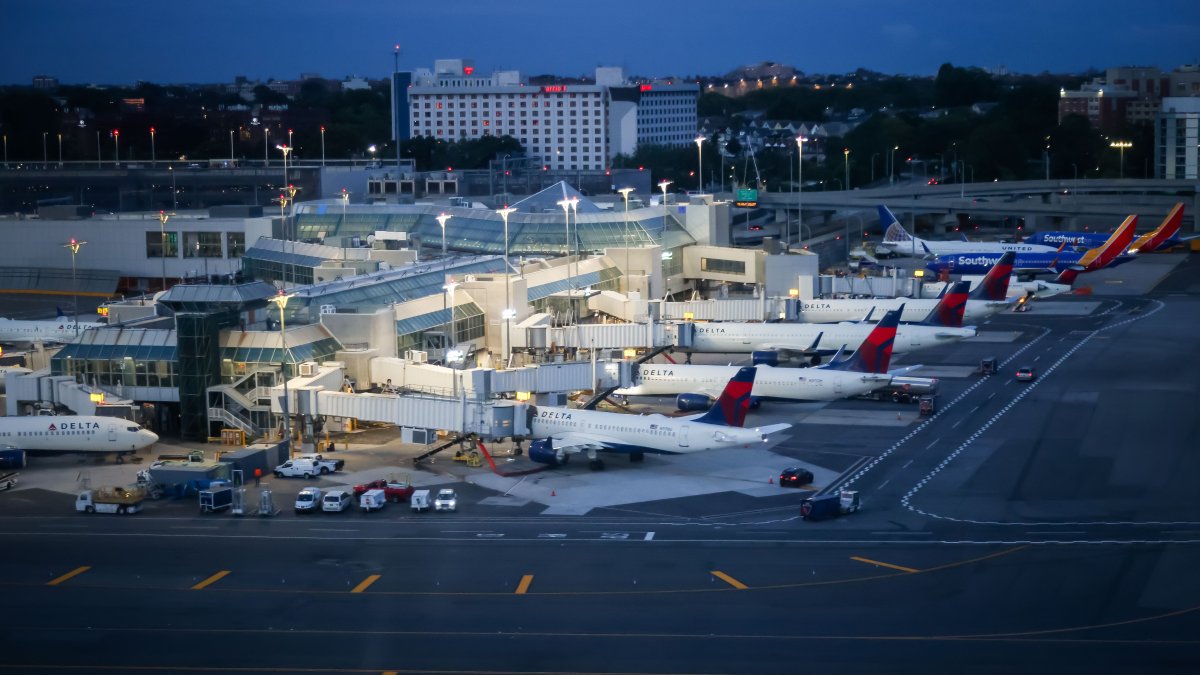
laguardia Airport Collision: Delta Jets Incident Under Investigation - What we Know
A concerning incident unfolded at LaGuardia Airport (LGA) Wednesday night, October 2nd, 2025, involving two Delta Connection regional jets.The National Transportation safety Board (NTSB) has launched a full investigation into the low-speed collision, raising questions about airport procedures and safety protocols. This article provides a thorough overview of the event, its potential causes, and the ongoing investigation, offering insights into aviation safety and airport incident response.
What Happened at LaGuardia?
Around 10:00 PM EDT, the wing of a Delta Connection aircraft preparing for takeoff to Roanoke, Virginia, made contact with the fuselage of an inbound flight arriving from Charlotte, North Carolina.Both aircraft were Bombardier CRJ-900 regional jets operated by Endeavor Air, a Delta partner. While the impact occurred at a low speed, it resulted in visible damage to both planes.
Specifically, one jet sustained damage to its right wing, while the other experienced damage to its nose and windscreen. Fortunately, initial reports indicate no serious injuries to passengers. A single flight attendant was treated for minor injuries sustained during the event.
Key Details & Passenger Impact
Here’s a breakdown of the flights involved and the number of people onboard:
* Endeavor Air Flight 5155 (Roanoke-bound): 4 crew members, 28 passengers.
* Endeavor Air Flight 5047 (Charlotte-bound): 4 crew members, 57 passengers.
Passengers from both flights were safely deplaned and re-accommodated on alternative flights. Delta prioritized minimizing disruption for travelers, demonstrating a commitment to passenger experience even amidst unforeseen circumstances. The FAA confirmed that air traffic control instructed Flight 5155 to hold short and yield to the approaching aircraft.
NTSB investigation: Unpacking the Cause
The NTSB dispatched a team of ten investigators to LaGuardia Airport to determine the precise cause of the collision.Crucially, flight recorders from both aircraft have been recovered and transported to NTSB headquarters for in-depth analysis. This data will be pivotal in reconstructing the events leading up to the impact.
The investigation will focus on several key areas, including:
* Air Traffic control Communications: Reviewing recordings and procedures to ensure clear and accurate instructions were given.
* Taxiway Navigation: Examining the aircraft’s movements and adherence to taxiway markings and guidance.
* Potential Mechanical Issues: Assessing whether any mechanical failures contributed to the incident.
* Weather Conditions: Evaluating if weather played a role in visibility or aircraft handling.
* Human Factors: Investigating potential pilot or controller errors.
The FAA is also conducting its own independent investigation, working in conjunction with the NTSB. This collaborative approach ensures a thorough and comprehensive understanding of the incident. Airport safety investigations are complex and can take months to complete.
Recent Trends in Aviation Safety
While incidents like this are rare, they underscore the importance of continuous safety improvements in the aviation industry. According to a recent report by the Aviation Safety Network (updated November 2024), there has been a slight increase in ground collisions at airports globally, attributed to increased air traffic and potential strains on air traffic control systems. https://aviation-safety.net/
However, overall commercial aviation remains remarkably safe. Data from the International Air Transport Association (IATA) shows that 2024 saw a continued decline in the all-accident rate, demonstrating the effectiveness of ongoing safety initiatives. https://www.iata.org/en/
Practical Tips for Air Travel & Addressing Concerns
Feeling anxious about flying after hearing about incidents like this is understandable. Here are a few tips to ease your concerns:
* Stay Informed: Monitor flight status updates and be aware of any potential delays or disruptions.
* Trust the professionals: Remember that pilots, air traffic controllers, and airline personnel are highly trained professionals dedicated to your safety.
* review Airline Safety Information: Familiarize yourself with the airline’s safety procedures and emergency protocols.
* Practice Relaxation Techniques: If you experience anxiety, try deep breathing exercises or mindfulness techniques.
Evergreen insights: The Importance of Aviation Safety Culture
Beyond specific incidents, a robust aviation safety culture is paramount
Worth a look