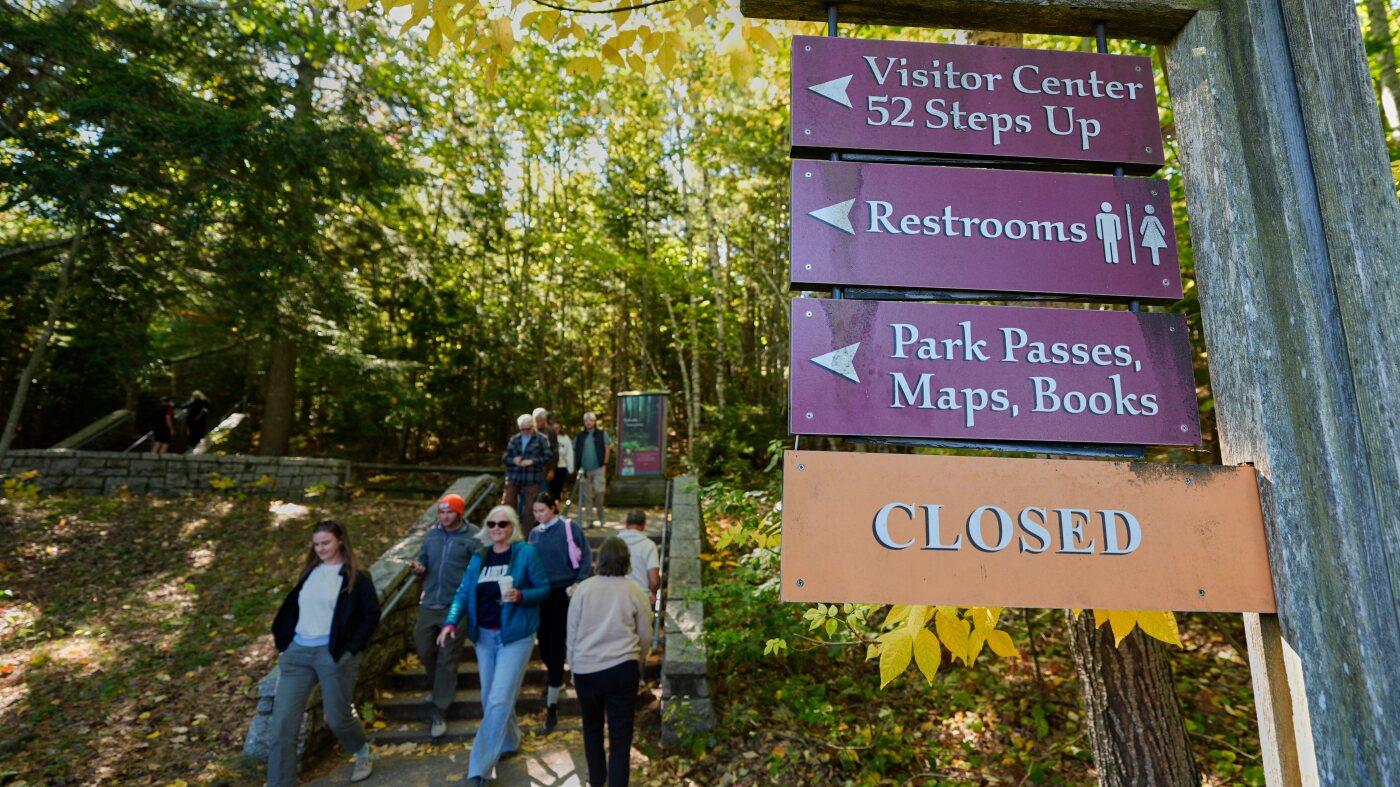
National Parks Face Closure Concerns Amidst Government Shutdown
A new government shutdown is raising serious concerns about the well-being of America’s national parks and the safety of visitors. Several park advocates are now recommending a preemptive measure: temporarily closing all parks experiencing staffing reductions until federal funding is restored.
This isn’t the first time this situation has arisen. Past shutdowns have demonstrated the potential for significant damage when parks operate with limited staff.
A History of Problems During Shutdowns
During the record-breaking 35-day government shutdown that began in December 2018, several national parks suffered noticeable harm.
* California’s Joshua Tree National Park experienced illegal tree cutting and the creation of unauthorized roads.
* Widespread illegal camping and fires became rampant.
* Staff morale plummeted due to the challenging circumstances.
These incidents highlight the vulnerability of these treasured landscapes when adequate protection is unavailable. You can understand why concerns are being raised again.
Calls for Proactive Closure
Organizations like the National Parks Conservation Association (NPCA) are actively urging park closures. They cite the potential for vandalism, sanitation issues, and ecological damage as primary reasons.
“The government has shut down, and the management is once again putting our national parks and visitors at risk,” stated NPCA President and CEO theresa Pierno. “It’s not just irresponsible, it’s dangerous.”
The Center for Biological Diversity has also voiced strong criticism. They argue that keeping parks open during a shutdown is “stupid, short-sighted and incredibly dangerous.” Stephanie Kurose, the organization’s deputy director of government affairs, didn’t hold back, stating that allowing parks to become overwhelmed with trash and waste is a disservice to these national treasures.
The Risks of Remaining Open
When parks remain open with limited staff,several problems can quickly escalate.
* Increased Vandalism: A lack of monitoring can lead to damage to natural and cultural resources.
* Sanitation Issues: Overflowing trash cans and a lack of restroom maintenance create unsanitary conditions.
* Ecological Harm: Uncontrolled access can disrupt sensitive ecosystems and harm wildlife.
* Visitor Safety: Reduced ranger presence can compromise visitor safety in emergencies.
These issues not only detract from the park experience but also require significant resources to rectify once funding is restored. You deserve a safe and pristine park experience, and that’s difficult to guarantee during a shutdown.
A Difficult Decision
Closing national parks is a difficult decision, as it limits public access to these beloved spaces. However, advocates argue that temporary closure is a necessary step to protect these invaluable resources for future generations.It’s a preventative measure designed to avoid repeating the mistakes of past shutdowns.
Ultimately, a swift resolution to the federal funding impasse is the best way to ensure the continued preservation and enjoyment of America’s national parks.
Worth a look