Beyond the Glass Case: The Power of Direct Engagement with Museum Collections
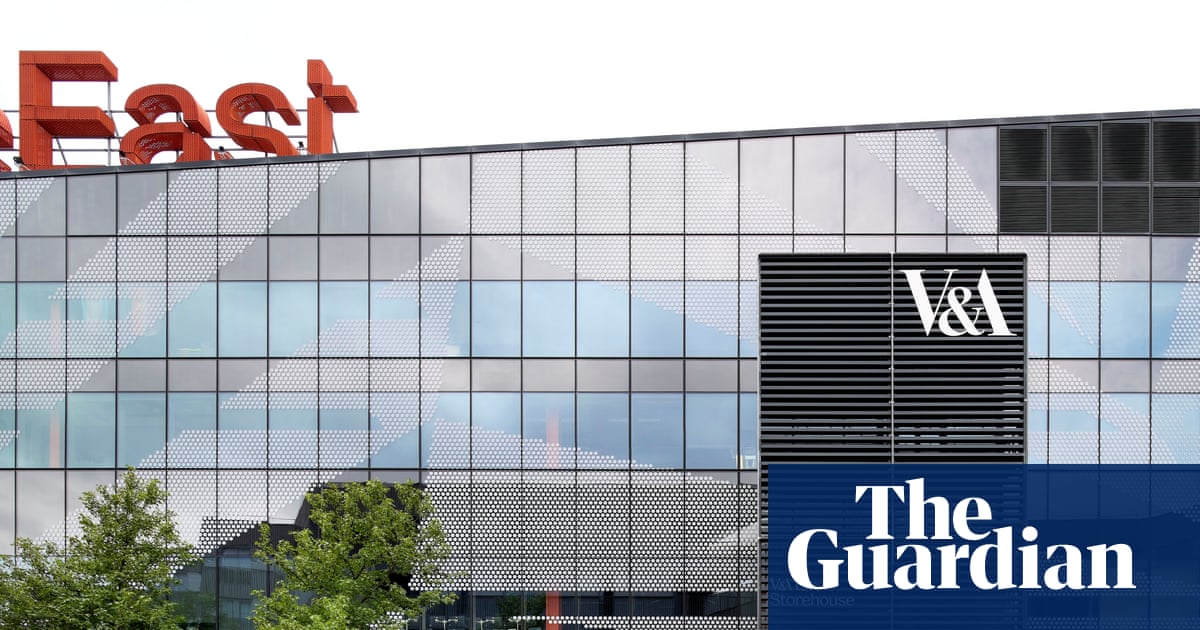
Museums have long been revered as repositories of history and culture, but a growing trend is shifting the experience from passive observation to active engagement. Increasingly, institutions are offering visitors opportunities to connect with objects on a more intimate level – and the impact is profound. Let’s explore how this shift is enriching the museum experience for everyone.
A Personal Connection to History
For many, the thrill of visiting a museum lies in encountering objects that spark curiosity and ignite the imagination. However, viewing artifacts behind glass can sometimes feel…distant. Recently, opportunities to handle select items, previously reserved for scholarly study, have emerged, creating a uniquely personal connection.
Imagine holding a 19th-century kimono,feeling the delicate weave,and appreciating the artistry firsthand. Or perhaps examining an intricately decorated inro – a small Japanese case – and understanding its role in daily life. These tactile experiences transcend mere observation, fostering a deeper understanding and recognition.
This level of access allows you to tailor your museum visit to your own interests. Whether you’re captivated by miniature lotus shoes or drawn to the grandeur of a Mackintosh hall cupboard,the ability to explore objects that resonate with your passions is truly special.
Re-Evaluating Design Classics: The Frankfurt Kitchen
Beyond individual artifacts, direct engagement can also reshape our understanding of design history. Consider the Frankfurt Kitchen, a pivotal example of early 20th-century modernist design.
It’s a remarkably practical and efficient space,designed by a female architect – interestingly,one who didn’t actually cook! This kitchen wasn’t about aesthetics; it was about functionality,aiming to meet the needs of everyday people.
Here’s what makes the Frankfurt Kitchen so influential:
* Space Optimization: A surprising amount of functionality is packed into a small footprint.
* Clean Lines: The design avoids clutter, creating a sense of order and efficiency.
* Innovative Features: Details like a double sink, raised drainage shelf, and aluminum storage drawers were ahead of their time.
* Lasting Impact: Many of these elements remain desirable features in modern kitchens today.
it’s a testament to thoughtful design that a kitchen conceived in the 1920s still feels relevant and inspiring. You might even find yourself wishing you had one in your own home!
Why This Matters: A New Era of Museum Engagement
These examples highlight a crucial shift in museum philosophy. It’s no longer enough to simply display objects; museums must create opportunities for meaningful interaction.
This approach offers several benefits:
* Enhanced Learning: Tactile experiences deepen understanding and retention.
* Increased Accessibility: Personal connections make history and culture more relatable.
* Greater appreciation: Direct engagement fosters a deeper respect for craftsmanship and design.
* Renewed Relevance: By connecting the past to the present,museums remain vital cultural institutions.
Ultimately, the power of direct engagement lies in its ability to transform the museum experience from a passive observation to an active, personal journey of discovery. It’s a reminder that museums aren’t just about preserving the past; they’re about making it relevant to your life today.