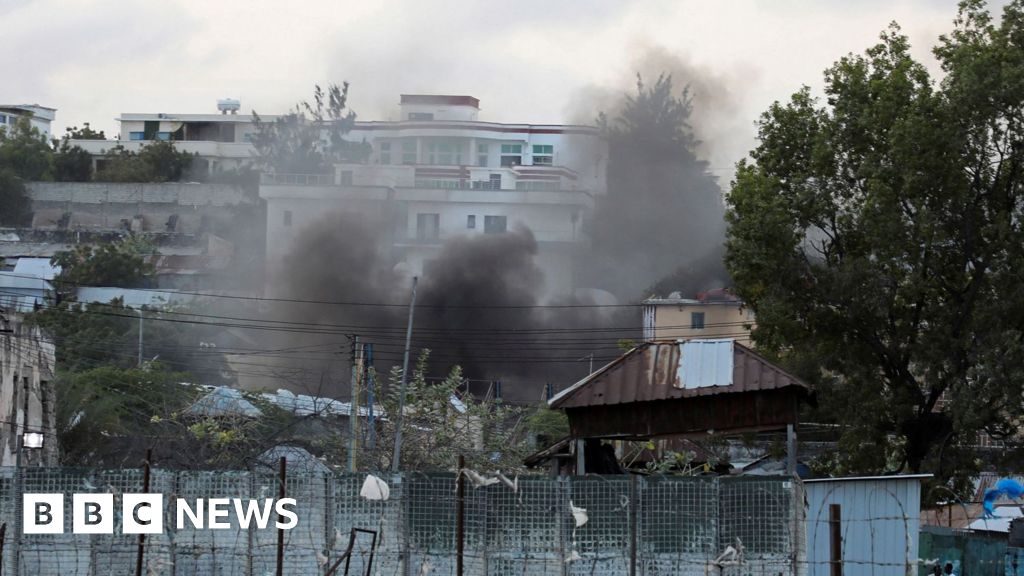
Somalia Prison Attack: Al-Shabab Assault on Mogadishu‘s godka Jilicow – A Deep Dive
The recent attack on godka Jilicow, a high-security prison in mogadishu, Somalia, underscores the persistent threat posed by al-Shabab and raises critical questions about security protocols within the nation’s capital.On October 5th, 2024, seven al-Shabab militants were killed following a brazen assault on the detention center, which holds many of the group’s own fighters alongside other high-profile detainees. This incident, marked by a notable explosion and sustained gunfire, demands a thorough examination of its implications for Somalia’s fragile security landscape.
Understanding the Godka Jilicow Prison and its Significance
Godka Jilicow isn’t just another prison. Located near the presidential palace, it’s a heavily fortified facility managed by Somalia’s National Intelligence and Security Agency (NISA). Its purpose is to house high-risk individuals – primarily al-Shabab militants, but also other significant detainees. This strategic location and the high-profile nature of its prisoners make it a symbolic target for the terrorist group.
The attack’s success in breaching this security perimeter is particularly concerning. How did militants, disguised as soldiers according to Sonna Live, manage to infiltrate such a heavily guarded location? This question is central to understanding the vulnerabilities within Somalia’s security infrastructure.
The Attack: Timeline and Initial Reports
The assault began around 16:40 local time (13:40 GMT) on Saturday, October 5th. Initial reports detailed a large explosion followed by a prolonged exchange of gunfire. Al-Shabab quickly claimed obligation, stating they had released “all the Muslim prisoners” and inflicted heavy casualties on the guards.
While the government confirmed the deaths of all seven attackers and expressed condolences for any security forces lost, a precise casualty count for government personnel remains undisclosed. Al-Shabab also did not release a figure for their own losses. This lack of transparency fuels speculation and underscores the challenges in accurately assessing the situation on the ground.
Al-Shabab’s Motives and Recent Activities
Al-Shabab, affiliated with al-Qaeda, has been waging a relentless insurgency against the Somali government for nearly two decades. Their motives are rooted in establishing a strict Islamic state and opposing the internationally recognized federal government. This attack can be viewed within the context of their ongoing efforts to destabilize the country and demonstrate their continued operational capabilities.
Interestingly, the attack occurred just hours after the government reopened key roads in Mogadishu, citing improvements in security. this timing suggests a intentional attempt by al-Shabab to undermine the government’s confidence-building measures and reassert their control. Recent reports indicate a shift in al-Shabab’s tactics, focusing on high-profile attacks to maximize media attention and psychological impact. council on Foreign Relations – Somalia Security provides further context on the evolving security situation.
Implications for Somali Security and Regional Stability
This incident represents a significant setback for NISA and raises serious concerns about the effectiveness of Somalia’s counter-terrorism efforts. The breach of Godka Jilicow highlights potential intelligence failures, security lapses, and the need for a extensive review of prison security protocols.
* Intelligence Gathering: Was there a failure to anticipate the attack?
* Internal security: How did militants infiltrate the prison disguised as soldiers?
* Resource Allocation: Are sufficient resources being allocated to security forces?
The attack also has broader implications for regional stability. A weakened Somali government could create a vacuum for al-Shabab to expand its influence, perhaps destabilizing neighboring countries. The African Union Transition mission in Somalia (ATMIS) is currently drawing down its forces, adding another layer of complexity to the security landscape. United Nations Somalia offers updates on ATMIS and the UN’s role in Somalia.
What’s Next? Addressing the Security Challenges
Moving forward, Somalia must prioritize several key areas to address the security challenges highlighted by this attack:
- Enhanced Intelligence Capabilities: Invest in strengthening intelligence gathering and analysis to proactively identify and disrupt al-Shabab’s plans.
- Improved Prison Security: Conduct a thorough review of prison security protocols, including vetting procedures for personnel and physical security measures.
- Strengthened Security Force Training: Provide comprehensive training to security forces on counter-
Keep reading
- Colonialism and Social Justice in Africa: Impact and Legacy
- Iran Warns Against US Interference in Strait of Hormuz and Israeli Aggression
- Seattle Police Hunt 3rd Shooter in Deadly Bite of Seattle Food Festival Attack (time.news)
- Early Warning System: Brain Prepares for Viral Attack in Advance (archyde.com)