The Night Wrestling Changed: Revisiting the “Curtain call”
The world of professional wrestling operates on a interesting blend of athleticism,storytelling,and deeply ingrained tradition. For decades, a strict code of conduct governed the business, dictating everything from how performers traveled to the consequences of off-script behavior.However, one event in 1996 dramatically challenged these unwritten rules and signaled a shift in the industry: the “Curtain Call” at Madison Square Garden.
It’s a story frequently enough retold,but its meaning warrants revisiting,especially as wrestling evolves away from its self-imposed boundaries. You might have heard tales of wrestlers facing repercussions for seemingly minor infractions – losing a bar fight costing a job, or even backstage disagreements leading to formal “Wrestler’s Court” hearings. The Curtain Call represents a pivotal moment when those longstanding norms were publicly broken.
The Setup: Departures and a final Night
The backdrop to this incident involved two major players preparing to leave the then-World Wrestling Federation (WWF). Kevin Nash and Scott Hall were on thier way to World Championship Wrestling (WCW), poised to become “The Outsiders” and eventually form the iconic nWo. their final WWF date was a house show at Madison Square Garden, a venue steeped in wrestling history.
They were scheduled to face fellow members of a close-knit backstage group known as “The Kliq.” Hall, as razor Ramon, wrestled Hunter Hearst Helmsley (Triple H), while Nash, as Diesel, challenged Shawn Michaels for the WWF Championship in the main event. The outcomes of these matches were predetermined – the departing wrestlers were expected to lose.
The Breaking of the Fourth Wall
However, what happened after the steel cage match between Nash and Michaels is what truly ignited the controversy. A simple hug between Hall and Michaels, both established babyfaces (good guys), wasn’t particularly shocking. But when nash embraced Triple H, a heel (bad guy), it immediately raised eyebrows.
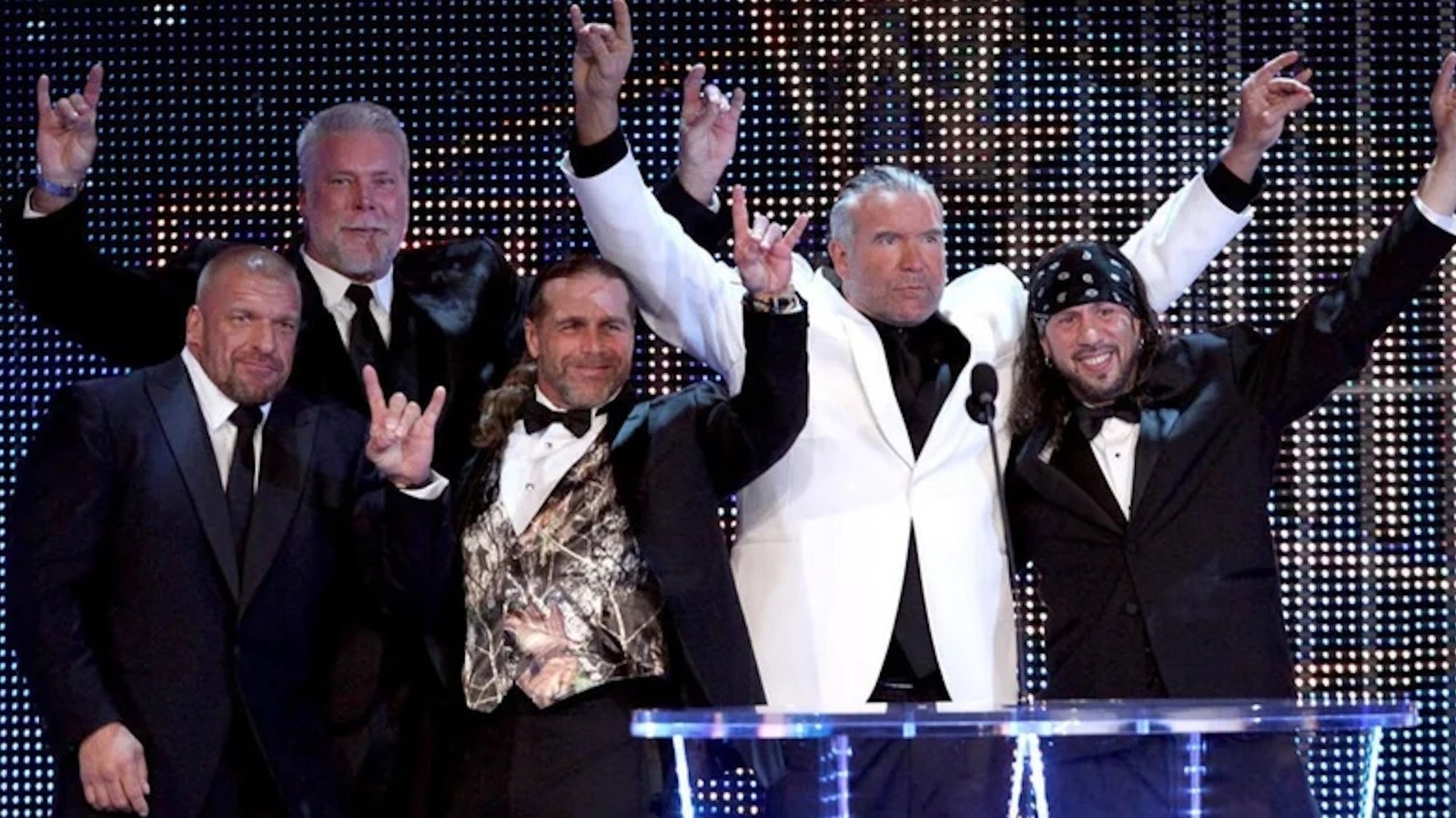
Then, all four men – Michaels, Hall, Nash, and Triple H – came together in a group hug, acknowledging their friendship in a way that blurred the lines between their on-screen personas.This display of camaraderie, a blatant disregard for kayfabe (the illusion of wrestling being real), sent shockwaves backstage.
The Fallout: A Lesson Learned
The consequences weren’t immediately widespread. Michaels, as champion, was largely untouchable. Hall and Nash were already on their way out the door. Sean Waltman, another Kliq member, was in rehab and soon headed to WCW as well.
Consequently, the brunt of the blame fell squarely on Triple H. he lost the opportunity to compete in the King of the Ring tournament later that year. as he later revealed, he was forced to accept punishment and “learn to eat s*** and like the taste of it.”
Why It Matters: A Turning Point
The Curtain Call wasn’t just about a broken rule; it was a symptom of a changing industry. It signaled a growing awareness among wrestlers of their own value and a willingness to challenge the established order.
* It foreshadowed the rise of the nWo and the “Monday Night Wars” between WWF and WCW.
* It demonstrated a shift towards more realistic and nuanced storytelling in wrestling.
* it ultimately contributed to the erosion of the strict kayfabe traditions that had defined the business for so long.
Today,the lines between kayfabe and reality are far more blurred. Wrestlers openly acknowledge their friendships with opponents, and the industry embraces a more self-aware approach. The curtain Call, while controversial at the time, now stands as a landmark moment that helped pave the way for the modern era of professional wrestling. It serves as a reminder that even in a world of scripted drama, real-life relationships and evolving industry dynamics can have a profound impact.
Keep reading