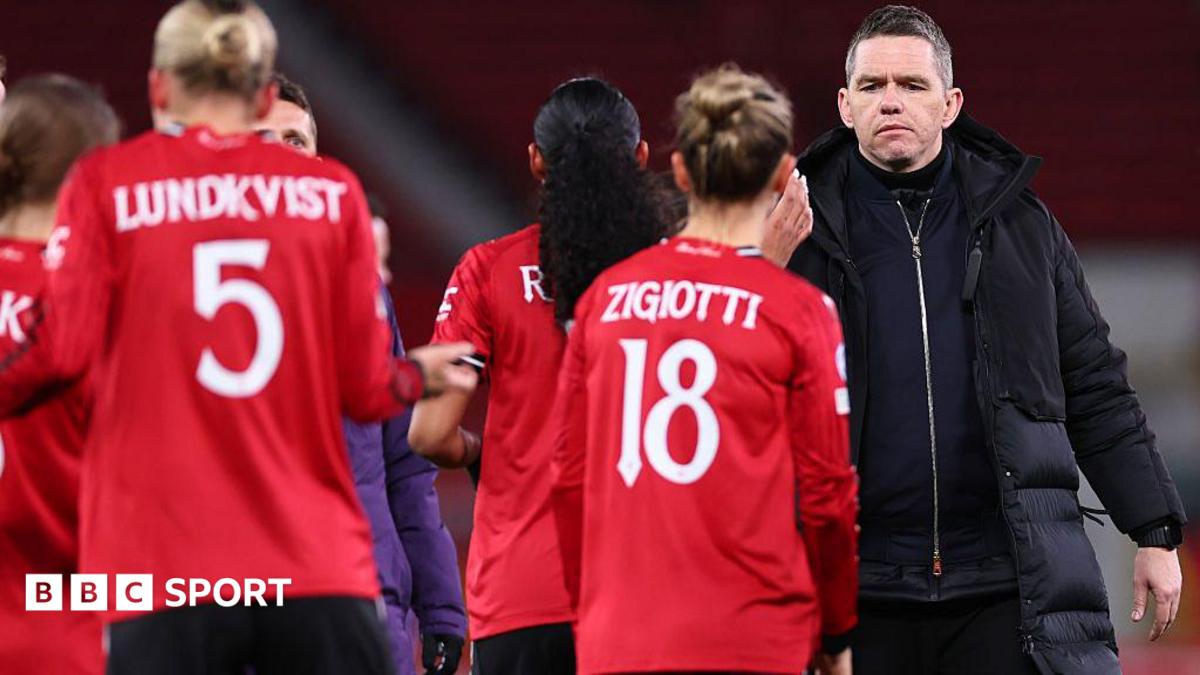
Manchester United face mounting scrutiny over the stability of their women’s team as the club navigates a crucial transitional period just weeks ahead of the new campaign. With the Women’s Super League season approaching rapidly, questions surrounding squad depth, structural backing, and managerial leadership have sparked intense debate among supporters and analysts alike. According to reports from the BBC and other major sports outlets, the club has faced internal changes and departures that left observers questioning the long-term planning for the squad.
The situation highlights a widening chasm between the ambitions of the players on the pitch and the operational execution behind the scenes at Leigh Sports Village and Carrington. While the men’s side often dominates headlines and financial allocations, the women’s division operates under a different microscope, one where every administrative delay or recruitment bottleneck is magnified. Supporters’ groups and independent commentators have voiced frustration over how leadership handles contract renewals and roster assembly during key transfer windows.
For a club boasting the global reach and financial power of Manchester United, the current climate surrounding the women’s section demands close examination. To understand how the club reached this juncture, we must examine the departure of key personnel, the realities of the summer transfer market, and what the upcoming fixtures mean for a squad fighting to maintain its competitive edge in a rapidly evolving league.
Leadership Vacuums and Departures at Carrington
Uncertainty at the top has defined much of the recent discourse surrounding Manchester United Women. Following the departure of former manager Marc Skinner, who guided the team to notable domestic cup successes and a high-profile finish in the domestic standings, the club initiated a search process that drew widespread media attention. According to coverage by Sky Sports, the transition period placed considerable pressure on remaining coaching staff and sporting directors to maintain continuity.
Administrative changes at executive levels have also contributed to the sense of flux. When structural overhauls occur under new minority stakeholders—specifically INEOS and Sir Jim Ratcliffe’s sporting leadership team—divisions across all departments undergo rigorous review. Analysts note that while such audits aim to modernize operations, they often create short-term friction. For the women’s team, delays in appointing permanent leadership figures or finalizing contract extensions for key veterans have fueled external narratives about a potential drop in institutional priority.
Players have largely maintained professional focus on the training pitch, shielding themselves from boardroom noise. Yet, the absence of a swift, decisive managerial resolution prior to pre-season camps forced the squad to adapt on the fly. Observers point out that elite women’s football demands meticulous preparation, particularly as traditional rivals like Chelsea, Arsenal, and Manchester City invest heavily in multi-year infrastructure projects and deep squad rotations.
Squad Depth and Transfer Window Realities
Beyond managerial questions, roster composition remains a pressing concern for supporters. The summer transfer window saw several high-profile departures from the squad, leaving gaps in both starting line-ups and tactical flexibility. According to financial and sports data compiled by Reuters, retaining world-class talent in the Women’s Super League requires competitive wage structures and visible sporting ambition—areas where United have faced public scrutiny.

Injuries and international tournament calendars further complicate the math for any manager stepping into the role. A thin squad risks burnout over a grueling domestic and European schedule. When depth is compromised, a single tactical injury can derail an entire season’s objectives. Analysts tracking squad registrations note that while academy promotions offer bright prospects for the future, relying on inexperienced teenagers to fill senior rotational roles introduces high volatility.
The club’s recruitment team has worked to secure targeted additions, but the timing of these arrivals often lags behind competitor timelines. In a league where margins between a Champions League qualification spot and mid-table security are razor-thin, every delayed signing or unfulfilled transfer target carries heavy sporting consequences.
What the Upcoming Fixtures Mean for United’s Ambitions
The immediate test for Manchester United Women lies in the opening weeks of the domestic calendar. Facing established powerhouse clubs early in the schedule will quickly expose any structural vulnerabilities or lack of tactical cohesion resulting from pre-season disruption. Matchday analysts stress that the opening month will set the tone for whether the squad can mount a credible challenge for top-three honors.
Stakeholders across the club—from executive leadership to the loyal matchgoing supporters—will be watching closely for signs of progress. The upcoming fixtures provide an uncompromising scoreboard reality that will test the resilience of the players and the validity of the club’s strategic vision. Official announcements regarding squad lists, ticketing updates, and matchday arrangements can be monitored directly through the official Manchester United portal.
As the referee’s whistle approaches for the opening fixture, the overarching question remains whether recent administrative turbulence will galvanize or destabilize the group. Followers of the game are encouraged to share their views on the squad’s prospects in the comments below and follow ongoing coverage as the season unfolds.
Keep reading