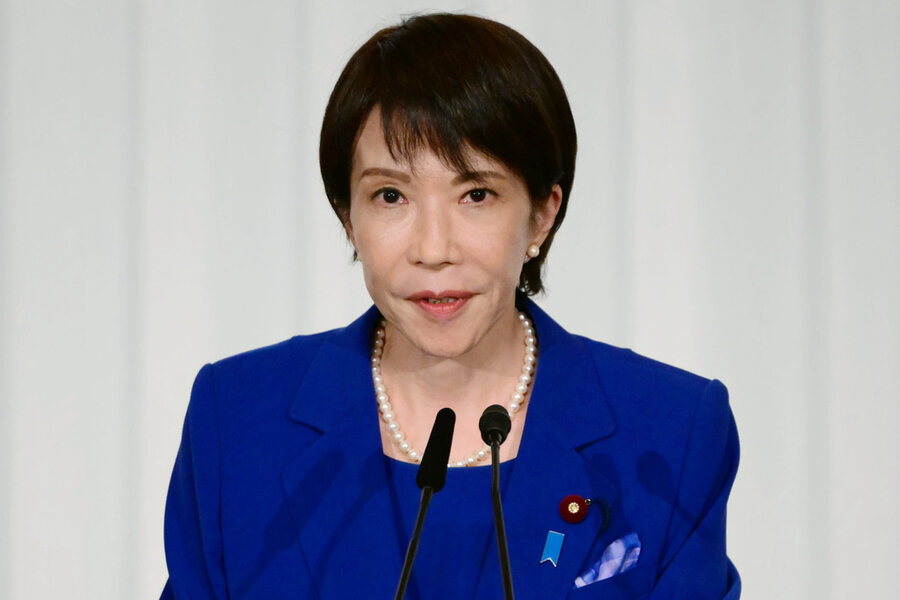
japan’s New Leader: A Conservative Shift and What It Means for Women and Geopolitics
october 25, 2023 – Japan stands at a pivotal moment. With the election of Sanae Takaichi as president of the long-ruling Liberal Democratic Party (LDP), and the strong likelihood of her becoming the next Prime Minister, the nation is poised for a significant shift towards conservative policies. This development, however, arrives in a country already lagging behind global standards for gender equality, raising concerns about the future of women’s advancement and the direction of Japan’s international relations.
For decades, Japan has grappled with systemic inequalities. Women remain significantly underrepresented in positions of power, comprising only around 15% of the lower house of parliament and holding just two of 47 prefectural governorships. Takaichi’s ascent, as the first female president of the LDP, initially appears to break a glass ceiling. However, a closer examination reveals a complex and possibly contradictory situation.
A Thatcher Admirer and Abe Protégée
Sanae Takaichi, 64, is a veteran politician first elected to parliament in 1993.She is a staunch admirer of Margaret Thatcher‘s brand of conservative leadership and a dedicated proponent of the policies championed by former prime Minister Shinzo Abe. Throughout her career, she has held key ministerial positions, including Minister of Economic Security, Internal affairs, and – notably – Gender Equality.
Yet, despite holding the latter portfolio, Takaichi’s record on gender issues is far from progressive. Unlike many female lawmakers within the LDP who faced marginalization for advocating for diversity, Takaichi has consistently aligned herself with the party’s male-dominated establishment and its traditional viewpoints. Her campaign largely bypassed discussions of gender equality,a telling omission given the country’s pressing need for reform.
“Work, Work, Work”: A Signal of Priorities
Takaichi’s recent pronouncements have further fueled debate. During her acceptance speech, she famously declared she would “abandon the word ‘work-life balance'” and rather urged party members to “work like a horse.” This statement, quickly trending on social media, sparked a polarized reaction. While some lauded her dedication, others expressed concern about the implications for working mothers and the already strained work-life realities for many Japanese citizens.
This emphasis on relentless work ethic, while perhaps appealing to a segment of the population, underscores a potential disconnect from the needs of a modern workforce, particularly women who frequently enough bear a disproportionate burden of childcare and household responsibilities.
A Complex Vision for Women’s Roles
Takaichi’s approach to women’s issues is nuanced, and arguably, rooted in traditional values. She supports financial assistance for women’s health and fertility treatment,framing it within the context of women fulfilling their “traditional roles” as mothers and wives. Interestingly, she has also publicly acknowledged her own struggles with menopausal symptoms, advocating for greater male awareness of female health challenges.
However,she remains opposed to key progressive reforms,including same-sex marriage and allowing separate surnames for married couples – a significant barrier for women who often feel pressured to adopt their husband’s name.Her support for the imperial family’s male-only succession further solidifies her conservative stance.
geopolitical Implications: A Hawkish Stance
Beyond domestic policy, Takaichi’s views on foreign affairs are equally noteworthy. She is a vocal advocate for a stronger military, increased fiscal spending, and the promotion of nuclear fusion. Her hawkish stance on China, coupled with her regular visits to the Yasukuni Shrine – a site considered by Japan’s neighbors to be a symbol of militarism – raises concerns about potential complications in regional relations with Beijing and Seoul.
This revisionist view of Japan’s wartime history is likely to strain diplomatic ties and could potentially jeopardize the LDP’s longstanding partnership with Komeito, a moderate Buddhist-backed party. While she maintains the current coalition is vital, she has also expressed openness to collaborating with far-right groups, signaling a willingness to prioritize ideological alignment over political pragmatism.
A Potential Setback for Women’s Advancement?
Despite vowing to increase the number of female ministers in her goverment, experts caution that Takaichi’s leadership may ultimately hinder women’s progress. To maintain her position, she will likely need to demonstrate unwavering loyalty to the LDP’s powerful male figures, potentially sacrificing opportunities for genuine gender equality initiatives.
Looking Ahead
Sanae Takaichi’s rise to power represents a significant moment for Japan. Her conservative ideology and unwavering commitment to traditional values will undoubtedly
Related reading