Protecting Babies from Malaria: A Promising New Approach
Malaria remains a devastating threat to young children, especially in sub-Saharan Africa. Recent research offers a surprisingly simple,yet highly effective,solution: specially treated baby wraps. This innovative approach is showing significant promise in reducing malaria transmission and protecting the most vulnerable.
The Challenge of Malaria in Infants
Infants are especially susceptible to severe malaria as their immune systems are still developing. Traditional prevention methods, like insecticide-treated bed nets, aren’t always practical for newborns who spend a lot of time carried by their mothers. This leaves a critical gap in protection during those first few months of life.
Introducing Permethrin-Treated Wraps
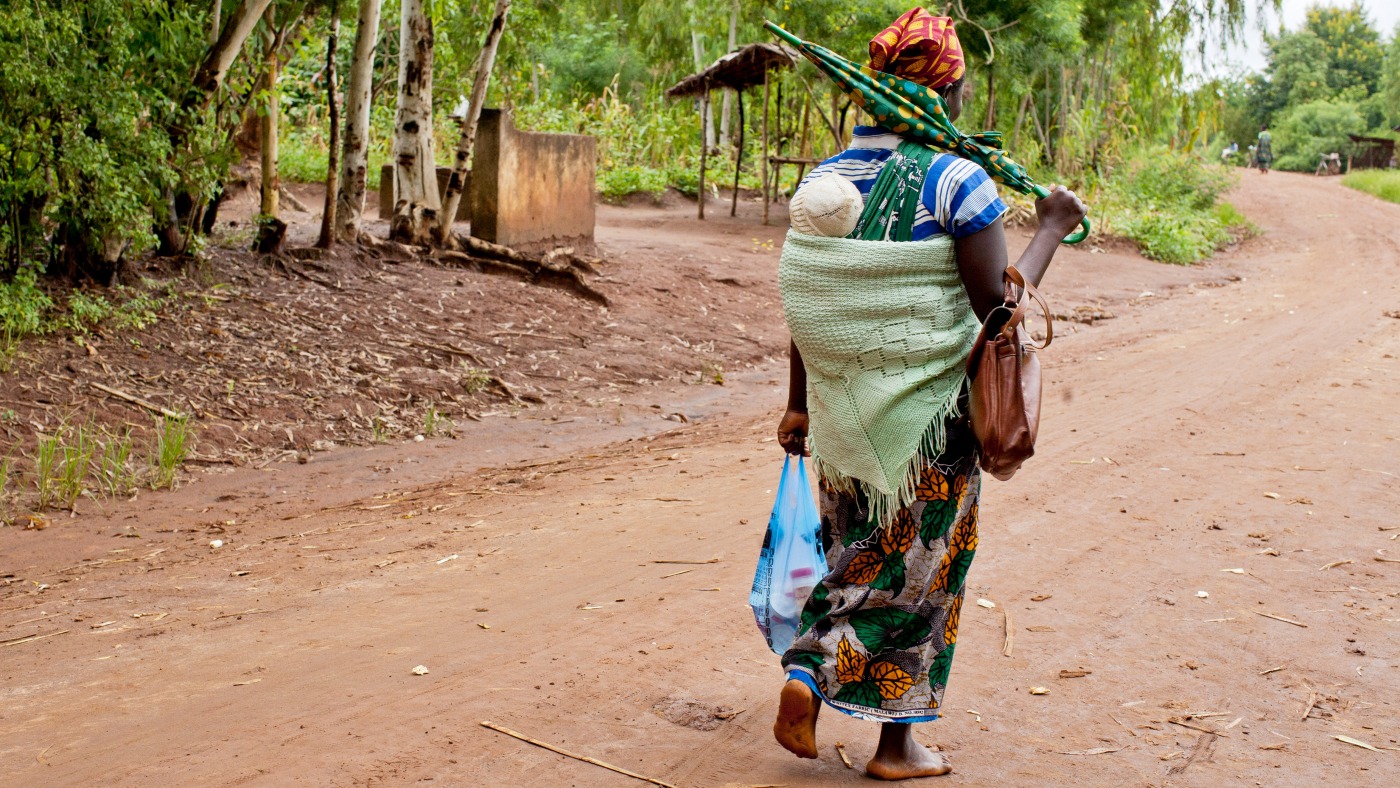
researchers explored the use of wraps treated wiht permethrin,a common insecticide. Permethrin disrupts the nervous systems of mosquitoes, preventing them from biting.The key was applying the treatment directly to the fabric babies were routinely carried in.
How the Study Worked
A pilot program was conducted to assess the effectiveness and safety of these wraps. Mothers were provided with wraps treated with permethrin and instructed on how to re-treat them regularly. Researchers then carefully monitored malaria rates in babies using the wraps compared to a control group.
Remarkable Results: A Significant Reduction in Malaria Cases
The results were striking. The study demonstrated a substantial reduction in malaria cases among babies who used the permethrin-treated wraps. This suggests a powerful new tool in the fight against this deadly disease.
Addressing Safety Concerns
A primary concern with permethrin is potential toxicity. Though, the study found that the wraps were well-tolerated, with only a small percentage of babies experiencing a mild rash.Researchers noted that the amount of permethrin absorbed through the skin was minimal, as babies were typically clothed underneath the wrap.
It’s critically important to remember that no intervention is entirely without risk. But, the benefits of preventing malaria clearly outweigh the potential side effects in this case.
Practical Considerations for Implementation
While frequent re-treatment was necessary in the study, advancements in textile technology offer a more lasting solution.Manufacturers are now developing long-lasting permethrin-treated garments. This would significantly reduce the burden on mothers and improve the practicality of widespread implementation.
A vision for the Future
Imagine a scenario where mothers receive a long-lasting, protective wrap during routine vaccination visits. This could provide a crucial layer of defense during a baby’s most vulnerable period.
High Demand and Positive Feedback
The enthusiasm for this approach is palpable. Researchers heard firsthand from participants who reported a noticeable decrease in mosquito bites while their babies were using the wraps. This positive feedback underscores the potential impact of this simple intervention.
Looking Ahead
This research represents a significant step forward in malaria prevention. By leveraging a readily available and affordable tool – the baby wrap – we can offer a powerful new layer of protection to infants at risk. Continued research and advancement will be crucial to optimize implementation and ensure widespread access to this life-saving technology.