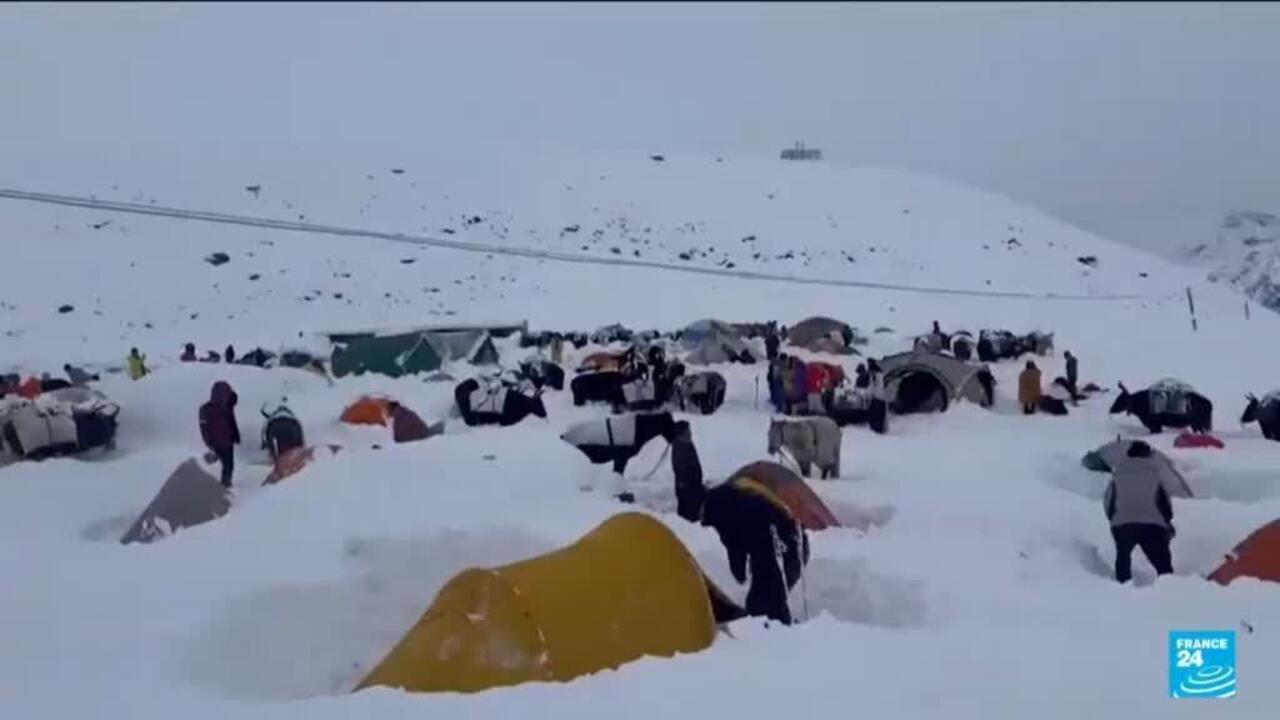
Everest Hikers Trapped: A Guide to Safe High-Altitude Trekking
A sudden and severe snowstorm has left hundreds of hikers stranded on teh slopes of Mount everest in Tibet, prompting a large-scale rescue operation. This incident underscores the critical importance of readiness and awareness when undertaking challenging treks like those in the Himalayas. Many caught in the storm were reportedly unprepared for the harsh conditions, lacking both the necessary gear and the essential outdoor skills. Are you planning a high-altitude trek? Understanding the risks and taking proactive steps is paramount to a safe and rewarding experience.
Understanding the Risks of High-Altitude Trekking
Mount Everest, and the surrounding Himalayan region, presents unique challenges. The altitude itself poses a significant threat, with altitude sickness a common concern. Rapid ascent,insufficient acclimatization,and pre-existing medical conditions can all contribute to this potentially life-threatening illness. Beyond altitude, unpredictable weather patterns, including blizzards and sudden temperature drops, are frequent occurrences. Recent data from the Nepal Tourism Board (November 2023) indicates a 15% increase in rescue operations related to adverse weather conditions in the everest region compared to the previous year.
This highlights the growing need for responsible trekking practices. It’s not just about physical fitness; it’s about being equipped to handle the unexpected.
Preparing for Your High-Altitude adventure
Proper preparation is the cornerstone of a safe trek. Here’s a step-by-step guide to help you get ready:
- Physical Conditioning: begin a rigorous fitness regime several months before your trek,focusing on cardiovascular endurance,strength training,and hiking with a weighted pack.
- Acclimatization: Ascend gradually, allowing your body time to adjust to the decreasing oxygen levels. the general rule is to “climb high, sleep low.”
- Essential Gear: Invest in high-quality, weather-resistant clothing, including layers for varying temperatures.Don’t forget sturdy hiking boots, a waterproof jacket and pants, gloves, a hat, and sunglasses.
- Navigation Skills: Learn to use a map, compass, and GPS device. Consider taking a wilderness navigation course.
- First Aid Training: Complete a wilderness first aid course to learn how to handle common injuries and illnesses in remote environments.
- Travel Insurance: Secure comprehensive travel insurance that covers high-altitude trekking,medical evacuation,and trip cancellation.
- Inform Someone: Always let someone know your itinerary and expected return date.
Secondary Keywords: Everest base camp trek preparation, high altitude sickness prevention, Himalayan trekking safety, mountain weather forecasting, responsible tourism Everest.
Common Questions About Trekking in High Altitude
Many trekkers have similar concerns. Let’s address some frequently asked questions:
* What are the early symptoms of altitude sickness? Early symptoms include headache, nausea, fatigue, and dizziness. If you experience these, descend to a lower altitude immediately.
* How important is a guide for Everest treks? A qualified guide is highly recommended, especially for less experienced trekkers. They provide valuable expertise, local knowledge, and assistance in case of emergencies.
* What’s the best time of year to trek to Everest Base Camp? The spring (March-May) and autumn (September-November) offer the most favorable weather conditions.
* Can I trek to Everest Base Camp without prior trekking experience? While possible, it’s advisable to have some prior trekking experience to assess your fitness level and acclimatization ability.
* What should I do if I get separated from my group? Stay calm, use your navigation skills to retrace your steps, and signal for help if necessary.
* How can I minimize my environmental impact while trekking? Pack out all your trash, use designated trails, and respect local customs and traditions.
* What are the LSI keywords related to everest trekking? Sherpa support, oxygen saturation, hypothermia symptoms, mountain rescue teams, altitude acclimatization schedule.
Worth a look