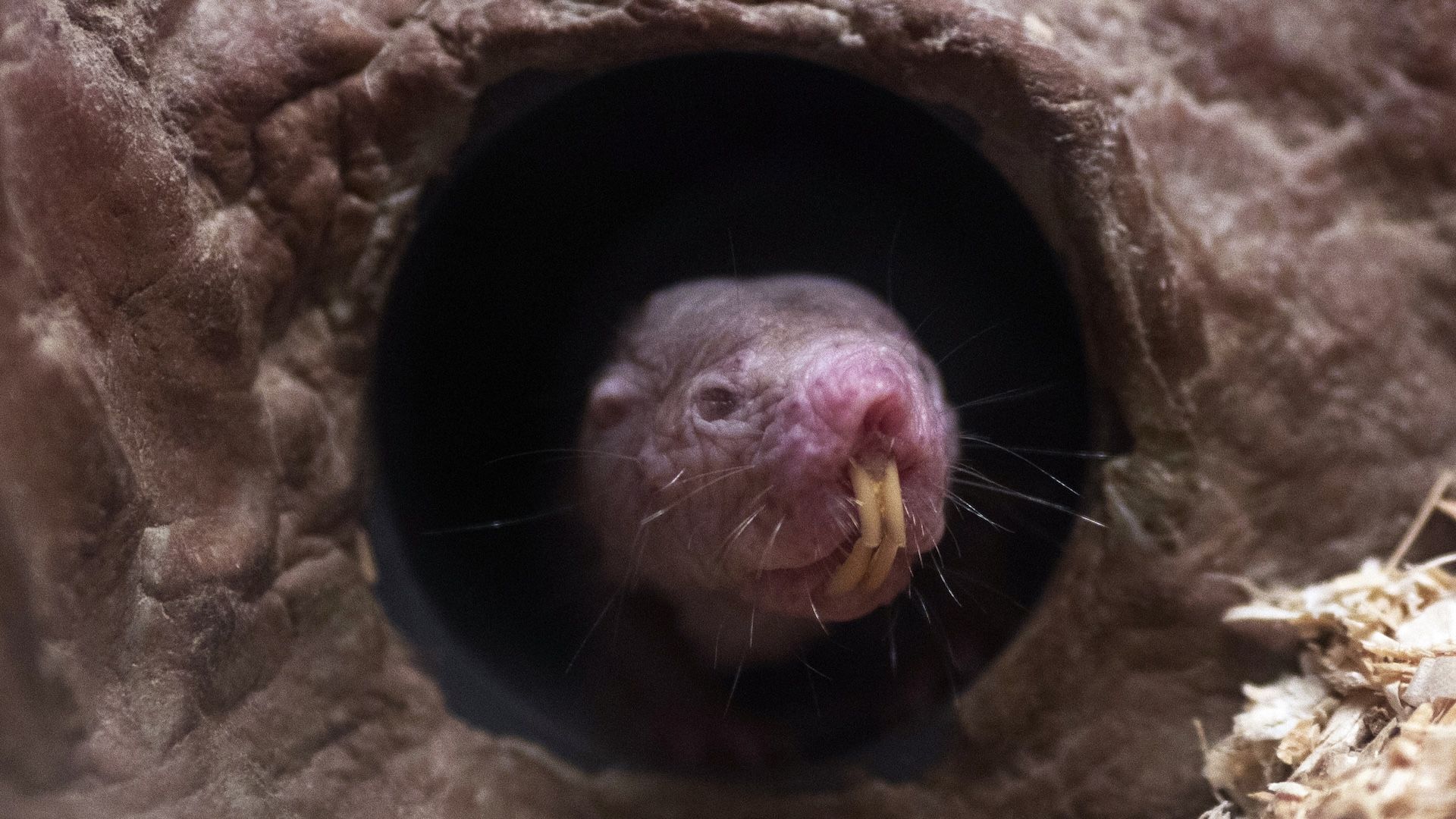
Beyond the queen: Uncovering Specialized Roles Within Naked Mole-Rat Colonies
Naked mole-rats are already renowned for their bizarre, almost alien social structure – a single breeding queen and a colony of workers. But recent research is revealing a level of complexity within these colonies that goes far beyond simply “worker” versus “non-worker.” Scientists are discovering evidence of specialized roles emerging, suggesting a surprisingly refined division of labor. This article dives into these interesting findings, exploring what they mean for our understanding of these astounding creatures and the evolution of social behavior.
The Intriguing World of Naked mole-Rat Society
For years, the assumption was that non-breeding naked mole-rats performed generic worker duties. However, a new study challenges this notion. Researchers meticulously tracked the movements of individual mole-rats within a laboratory burrow system, uncovering distinct behavioral patterns. This detailed observation is shedding light on a potential caste system far more nuanced than previously imagined.
Identifying potential “Job” Specializations
Using tracking technology, researchers identified three primary groups based on their activity and location within the burrow:
* Transport Specialists: These mole-rats spent a meaningful amount of time in the garbage chamber, leading researchers to believe they are responsible for waste removal. Think of them as the colony’s sanitation engineers.
* “Cleaners”: Another group consistently occupied the toilet chamber, suggesting a dedicated role in maintaining hygiene. Maintaining a clean burrow is crucial for preventing disease in such a densely populated environment.
* Nest-Bound Individuals: A less active group primarily remained in the nest box. These were often younger or older animals, potentially representing a developmental stage or a period of reduced activity due to age.
This suggests that “job” assignments aren’t random, but potentially linked to age and individual tendencies. As Dr. Okuyama noted, the role an individual plays may even change throughout its life.
What Does This Mean for Colony Complexity?
This research underscores just how complex naked mole-rat social organization truly is. It moves beyond the simple queen-and-worker model, hinting at a more intricate network of specialized roles. this isn’t just about efficiency; it’s about optimizing the colony’s function through a diverse skillset.
“Anyone who has spent time looking at naked mole rats would agree that there are loads of individual things going on,” explains Chris Faulkes, an evolutionary ecologist at Queen Mary, University of London. He emphasizes that observing these behaviors in the lab is a valuable step towards quantifying this complexity.
A Word of Caution: Lab vs. Wild
While these findings are exciting, it’s crucial to remember the limitations of laboratory studies.Markus Zöttl, a behavioral ecologist at Linnaeus University in Sweden, cautions against drawing definitive conclusions.
He points out that the observed variations in behavior – some helpers being more active, others resting – are expected in any social animal. These differences could represent individual “personality” traits rather than a rigid caste system. Furthermore, the relatively small and simple lab burrows don’t fully replicate the complexity of a natural environment.
* Natural Burrows are Vast: A wild naked mole-rat burrow can span the area of a football field.
* Resource Acquisition is Key: In the wild,mole-rats must actively dig for roots to feed the entire colony,a task that demands different skills and behaviors.
* Social Hierarchy is Dynamic: Constant interactions – shoving, avoiding, and cooperating – within long tunnels likely influence an individual’s role and status.
The Bigger Picture: Understanding Social Evolution
Despite the caveats, this research offers valuable insights into the evolution of social behavior. It highlights the potential for even seemingly simple societies to develop surprising levels of complexity.
Faulkes believes the lab work reveals a ”hidden behavioral complexity,” with groups and individuals interacting in unique ways. Understanding these nuances is key to unlocking the secrets of naked mole-rat society and, potentially, the broader principles governing social organization in the animal kingdom.
Further Exploration:
* Chris Faulkes’ Profile: https://www.qmul.ac.uk/sbbs/staff/chrisfaulkes.html
* Markus Zöttl’s Profile: [https://lnuse/[https://lnuse/[https://lnuse/[https://lnuse/
Keep reading