Navigating Europe’s New Border System: What Travelers Need to Know About EES and ETIAS
Europe is implementing important changes to its border control procedures, designed to enhance security and manage migration. These changes,centered around the Entry/Exit System (EES) and the upcoming European Travel Information and authorisation System (ETIAS),will impact anyone traveling to the EU and Schengen Area. This guide provides a complete overview,addressing concerns and outlining what you need to know for a smooth journey.
What is the Entry/Exit System (EES)?
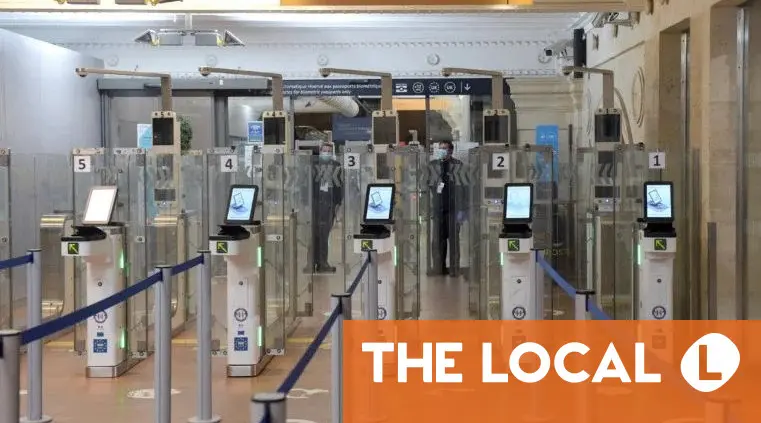
The EES, launching in phases starting October 12th, is an automated IT system that registers travelers from non-EU countries each time they cross an EU external border.It replaces the current manual, paper-based system. This aims to improve border management,reduce irregular migration,and bolster internal security.
Who Does EES Affect?
* Non-EU Nationals: If you are not a citizen of an EU country, you will be subject to EES checks when entering any EU member state (excluding Cyprus and Ireland).
* EEA & Switzerland: The system also applies to Iceland, Liechtenstein, Norway, and Switzerland, as they are part of the European Economic Area.
* British Citizens: Post-Brexit,UK nationals are now also included in the EES requirements.
* Short Stays: The EES applies to those traveling for short stays (up to 90 days within a 180-day period).
What Will Happen at the Border?
When you arrive, you’ll be required to:
* Provide Passport Information: your passport number will be recorded.
* Biometric Data: You’ll have your fingerprints scanned and a photograph taken.
* Automated Kiosks: These procedures will be completed at automated kiosks, similar to those used in some airports today.
Phased Rollout & Potential Disruptions
While the system goes live on October 12th, a full implementation across all EU borders won’t be immediate.
* Initial Phase: larger countries like France and Germany will initially conduct a limited number of checks to avoid significant congestion.
* Full Implementation: All member states have until mid-April to fully implement automated checks at all border crossing points.
* Potential Queues: Transport providers and passengers have expressed concerns about longer queues, particularly during peak travel times. UK authorities advise travelers to expect “a few extra minutes” for border processing.
What About the UK?
The UK is preparing for the influx of travelers subject to EES checks.
* Pre-Border Checks: Checks will be conducted before travelers depart from the UK, especially at St Pancras International (Eurostar) and the Port of Dover.
* Infrastructure in Place: Terminals for the EES system have already been installed at key departure points.
* Getlink & Eurostar Confidence: Operators are confident in their readiness to manage the new system efficiently.
Looking Ahead: The ETIAS System
The EES is just the first step. The European travel information and Authorisation System (ETIAS) is slated to follow.
* Visa-Exempt Travelers: if you are from a country that currently doesn’t require a visa to enter the EU, you will need to obtain an ETIAS travel authorization before your trip.
* Online Application: ETIAS will involve completing an online application form and paying a (currently undetermined) fee.
* Similar to ESTA: It’s designed to be similar to the U.S. ESTA system or Canada’s eTA.
* Enhanced Security: ETIAS will further enhance security by pre-screening travelers and identifying potential risks.
Addressing Common Concerns
* Can I opt out of providing biometrics? Limited exceptions exist for those physically unable to provide fingerprints. More information can be found here.
* **What
Keep reading
- US and Saudi Arabia Strike Iran-Backed Militias as Middle East Tensions Escalate
- Why the Trump Administration Manipulated Military Casualty Figures
- Disappointing Update: No Graphic Changes or Tattoo Updates (world-today-news.com)
- Rick Steves Riga Rolling Case: Lightweight Carry-On for European Travel (time.news)