
The Depression-Heart Disease Connection: How Different Types of Depression Impact Your Cardiometabolic Health
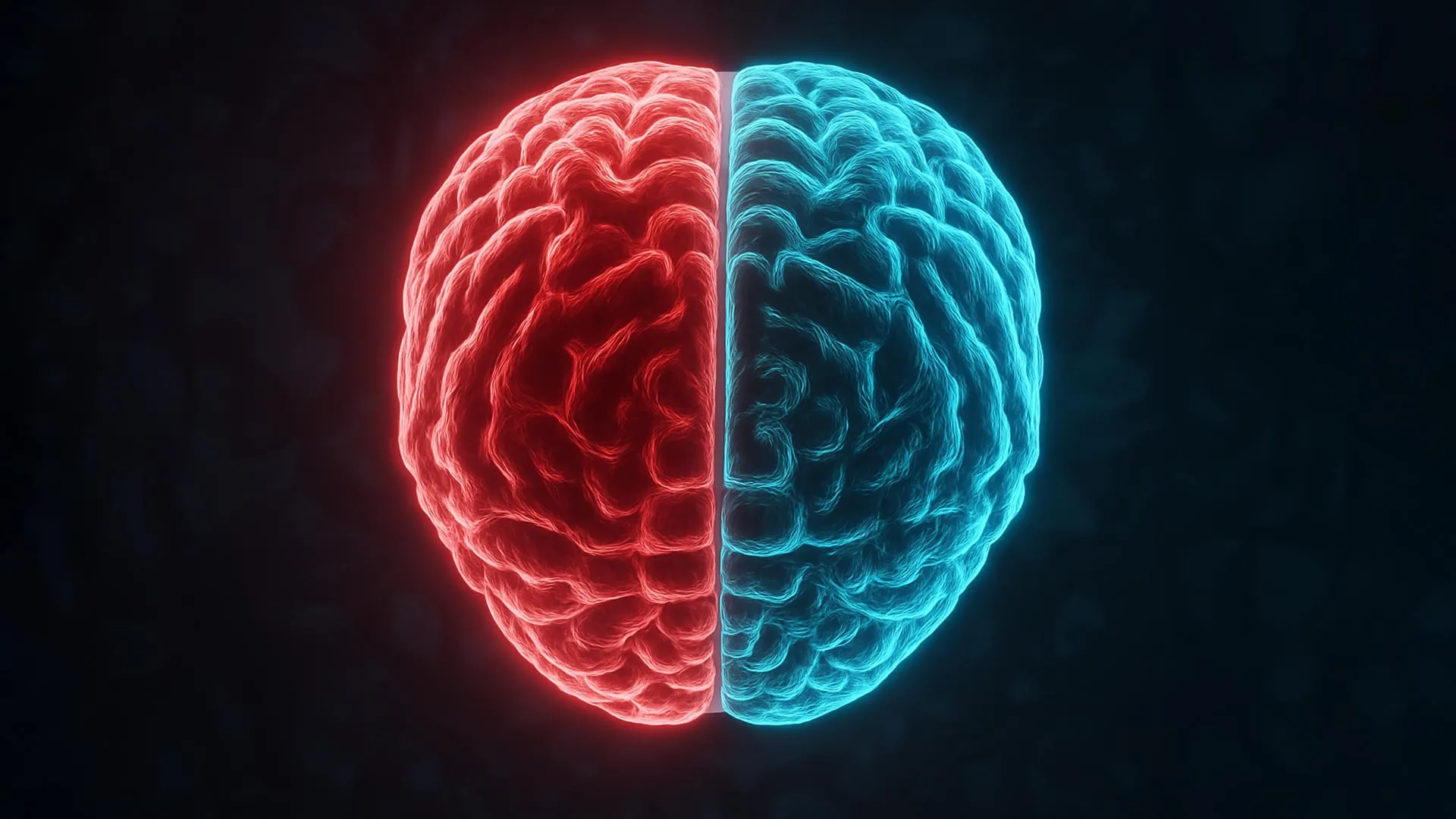
Are you aware that the type of depression you experience could considerably influence your risk of developing heart disease or type 2 diabetes? For years, the link between depression and metabolic disorders has been recognized, but groundbreaking research is now revealing a far more nuanced relationship. This isn’t a one-size-fits-all scenario. Specific forms of depression appear to be tied to distinct cardiometabolic diseases, opening the door to more personalized and effective treatment strategies.
Recent findings presented at the ECNP Congress in Amsterdam highlight the critical need to move beyond simply treating depression as a single entity and towards a future of “precision psychiatry.” Let’s delve into the details of this vital research and what it means for your health.
Unpacking the Link: Depression and Cardiometabolic Disease
The connection between mental and physical health is increasingly clear. Depression isn’t just a mood disorder; it’s a systemic illness that can profoundly impact the body. Cardiometabolic diseases – encompassing conditions like type 2 diabetes, heart disease, and stroke – share common underlying factors like insulin resistance, inflammation, and abnormal lipid levels. These factors are also increasingly being linked to the biological processes affected by depression.
But what’s changed is the understanding that how depression manifests matters.
The NEO Study: Identifying Distinct Depressive Profiles
Researchers from Amsterdam UNC conducted a seven-year study following 5,794 adults participating in the Netherlands Epidemiology of Obesity (NEO) Study. Crucially, none of the participants had pre-existing diabetes or cardiovascular disease at the study’s outset. Through detailed questionnaires, researchers identified two primary depressive subtypes:
* Melancholic depression: characterized by classic symptoms like early morning awakening, loss of appetite, feelings of profound sadness, and a general lack of reactivity to positive stimuli.
* Atypical/Energy-Related Depression: Defined by symptoms such as fatigue, increased sleep, heightened appetite (ofen leading to weight gain), and a tendency to feel weighed down.
The results were striking. Over the study period, approximately 8% of participants developed a cardiometabolic disorder.Though, the type of disorder depended heavily on which depressive profile they exhibited.
Specific Risks: Melancholic vs. Atypical Depression
The study revealed a clear divergence in risk profiles:
* Atypical/Energy-Related Depression & Type 2 Diabetes: Individuals experiencing this form of depression were a remarkable 2.7 times more likely to develop type 2 diabetes compared to those without depressive symptoms. interestingly, this subtype did not show a significantly increased risk of cardiovascular disease.
* Melancholic Depression & Cardiovascular Disease: Conversely, participants with melancholic depression faced a 1.5 times higher risk of experiencing cardiovascular events like heart attack or stroke. However, their risk of developing type 2 diabetes remained largely unchanged.
These findings aren’t simply correlational. Lead researcher Dr. Yuri Milaneschi explained that further metabolic analysis revealed distinct biological signatures. Those with atypical/energy-related depression exhibited disruptions in inflammatory and metabolic processes directly linked to cardiometabolic health – a signature absent in those with melancholic depression. This suggests fundamentally different biochemical pathways connecting these depression types to physical health outcomes.
The Rise of Precision Psychiatry
“we already knew that not all depressions are the same,” Dr. Milaneschi stated, “but this means that we may need to consider how the type of depression someone has impacts different areas of their physical health. It very much pushes us towards the idea of precision psychiatry - the idea that we need to look for physical associations with mental health profiles,so that we can better treat mental illness. To treat sufferers individually.”
This shift towards precision psychiatry is vital. It acknowledges that a blanket approach to depression treatment isn’t optimal. Identifying the specific subtype of depression allows for targeted interventions, potentially mitigating the risk of associated cardiometabolic complications.
A Growing Public Health Concern
The implications extend beyond individual patient care. Dr. Chiara Fabbri, of the University of Bologna, emphasized the broader public health context. “The prevention and treatment of physical diseases in people with depression are not less important than the treatment of depression,” she noted. With the International Diabetes Federation projecting a 10% increase in the number of people with diabetes (reaching 66 million) in the EUR Region by 2050, proactive management of cardiometabolic risk in individuals with depression is a critical healthcare priority. https://www.idf.org/
early diagnosis,consistent monitoring,and tailored treatment plans are essential to address this growing challenge.
What Can You Do?
If you are experiencing symptoms of depression, it’s crucial to seek professional help. Discuss your symptoms openly with your doctor, and don’t hesitate to ask





![Lost Dog & Farm Theft: Community Appeals | [Town/Region] News](https://i0.wp.com/ichef.bbci.co.uk/news/1024/branded_news/d027/live/706b6410-e05a-11f0-a8dc-93c15fe68710.jpg?resize=150%2C100&ssl=1 "Lost Dog & Farm Theft: Community Appeals | [Town/Region] News")