Rising Tensions: US-Venezuela Standoff Escalates, Drawing International Scrutiny
Teh situation in Venezuela is rapidly deteriorating, marked by escalating tensions with the United States and sparking a heated debate on the international stage. Recent actions by Washington,including a naval blockade and accusations of state-sponsored crime,have drawn sharp criticism from Russia and China,raising concerns about potential military conflict. This article provides a comprehensive overview of the crisis, its key players, and the potential implications for regional stability.
The Core of the Conflict
at the heart of the dispute lies the US government’s assertion that Venezuela, under President Nicolás Maduro, is using its vast oil wealth to fund illicit activities. Specifically, President Donald Trump alleges that oil revenues are fueling “narcoterrorism, human trafficking, murders, and kidnappings.” Caracas vehemently denies these claims, accusing the US of attempting to orchestrate a regime change to seize control of the country’s considerable oil reserves – the largest proven reserves globally.
The US has responded with increasingly stringent measures, including:
* Economic Sanctions: Targeting Venezuelan officials and entities, severely impacting the country’s economy.
* Naval Blockade: Deploying a notable military force in the Caribbean and intercepting oil tankers believed to be violating sanctions.
* Military Operations: Conducting dozens of airstrikes against vessels allegedly involved in drug trafficking, resulting in over 100 reported fatalities.
* Indictments & Rewards: Seeking the arrest of Maduro himself, offering a $50 million reward for information leading to his capture and labeling him the head of a supposed “Cartel de los Soles” – a claim disputed by experts.
International Backlash & Accusations of “Extortion”
These actions have triggered a strong response from key international players. During a recent UN Security Council meeting, Russia and China voiced strong opposition to the US approach.
* Russia’s Position: Ambassador Vassily Nebenzia condemned the US blockade as an “act of aggression” and a violation of international law, characterizing US actions as “cowboy-like conduct.”
* China’s Position: The Chinese representative, Sun Lei, emphasized opposition to “unilateralism and bullying,” affirming support for Venezuela’s sovereignty and national dignity.
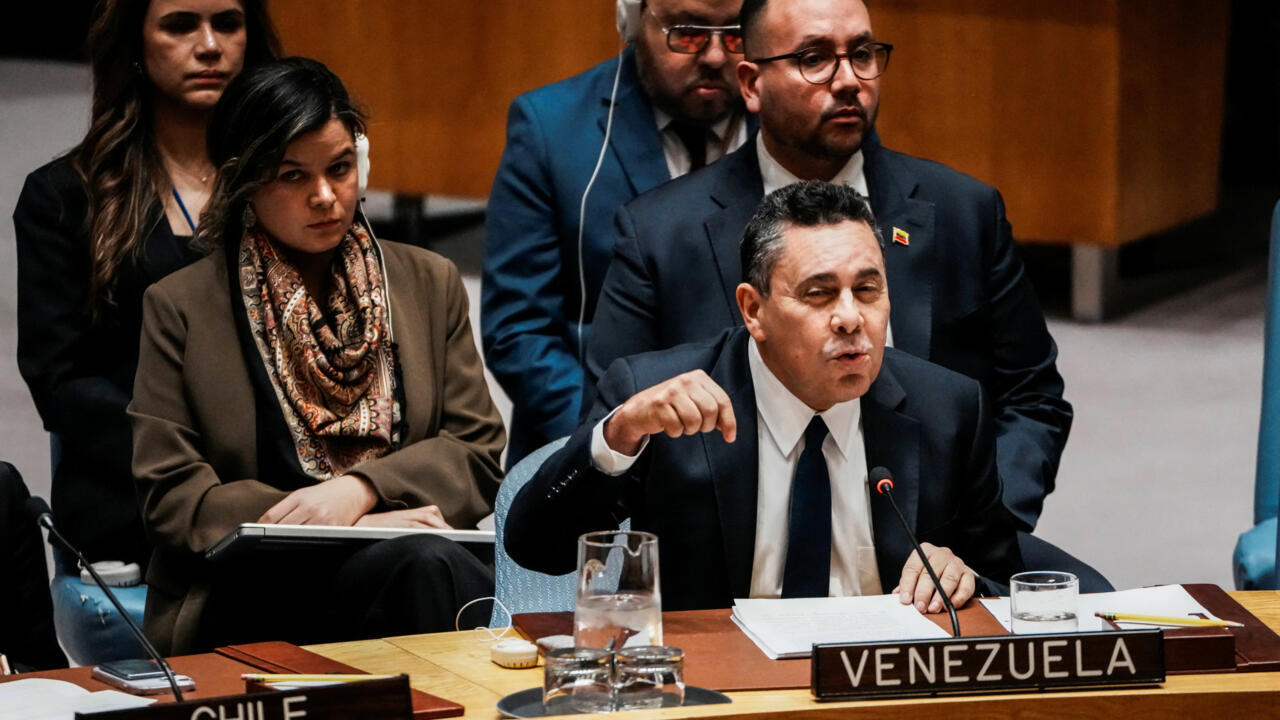
* Venezuela’s Plea: Ambassador Samuel Moncada accused the US of attempting to force Venezuelans to relinquish their country, labeling the situation ”the greatest extortion known in our history.”
The US ambassador to the UN, Mike Waltz, defended his country’s actions, stating the US “will do everything in its power to protect our hemisphere, our borders, and the American people.” However, the international criticism underscores a growing concern that the US approach is escalating the crisis and potentially destabilizing the region.
The “Cartel de los Soles” Controversy
A central element of the US case against Maduro is the accusation that he leads a criminal organization known as the “Cartel de los Soles” (Cartel of the Suns). Though, experts note a critical lack of evidence supporting the existence of a structured, hierarchical group operating under that name. This raises questions about the basis for the US government’s claims and fuels accusations of politically motivated exaggeration.
What Does This Mean for You?
The escalating tensions between the US and Venezuela have far-reaching implications.
* Regional Instability: The potential for military conflict remains a significant concern, with the risk of a wider regional crisis.
* humanitarian Crisis: Venezuela is already grappling with a severe economic and humanitarian crisis. Increased sanctions and military pressure could exacerbate the situation, leading to further suffering for the Venezuelan people.
* Global Oil Markets: Disruptions to Venezuelan oil production could impact global oil prices and supply.
* Geopolitical Realignment: The crisis highlights a growing divergence in international perspectives, with Russia and China increasingly challenging US dominance.
Looking Ahead
The situation remains highly volatile. While President Trump has not explicitly ruled out military intervention, a diplomatic resolution appears increasingly unlikely given the entrenched positions of all parties involved. The international community faces a critical challenge in de-escalating tensions and finding a peaceful path forward that respects Venezuela’s sovereignty while addressing legitimate concerns about illicit activities. Continued monitoring of the situation and a renewed focus on