The Evolving Landscape of Competitive Swimming: A Look at the 2025 world Cup & Beyond
The world of competitive swimming is in constant motion,a relentless pursuit of milliseconds and personal bests. Recent results from the first leg of the 2025 Swimming World Cup in carmel, Indiana, offer a compelling snapshot of where the sport stands today – and hint at the exciting developments to come.This isn’t just about wins and losses; it’s about athlete resilience, strategic training, and the ongoing evolution of technique. We’ll delve into the key takeaways from the Indiana event, examine the performance of British athletes like Abbie Wood and Adam Peaty, and explore the broader trends shaping elite swimming in 2025.
Great Britain’s Strong Start at the 2025 World Cup
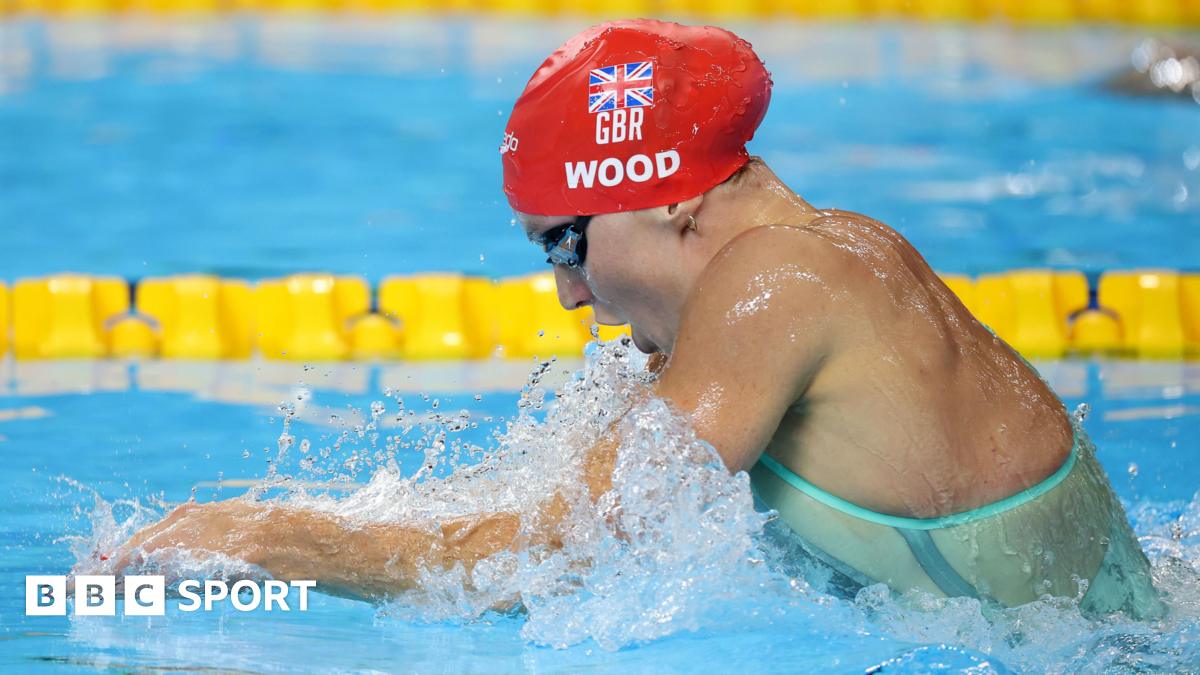
The British team demonstrated notable form in Carmel, securing three medals. Abbie Wood spearheaded the effort, adding a silver in the 200m medley to her earlier gold in the 400m medley. This performance underscores Wood’s versatility and positions her as a key contender on the international stage. matt Richards contributed a bronze in the men’s 200m freestyle, further solidifying Britain’s presence on the podium.
Did You Know? The Swimming World Cup series is designed to be a fast-paced, multi-city competition, offering athletes valuable racing experience and a chance to test their form outside of major championships like the Olympics and World Championships.
Adam Peaty’s Return: A Measured Re-Entry
Perhaps the most anticipated aspect of the Indiana leg was the return of Adam Peaty. The three-time Olympic gold medalist was competing for the first time as the Paris 2024 Olympics. While he finished sixth in the men’s 50m breaststroke final, and narrowly missed qualifying for the 100m and 200m finals, it’s crucial to view this as a stepping stone.
Peaty’s comeback is a narrative of dedication and overcoming adversity. He openly discussed challenges with mental health and motivation following Paris 2024, making his return all the more significant. His focus now appears to be on rebuilding race sharpness and refining technique, rather than immediate dominance. This strategic approach is a hallmark of seasoned athletes.
Pro Tip: Analyzing an athlete’s performance after a major championship or period of absence requires nuance.Focus on process goals – technique,starts,turns – rather than solely on final results.
Analyzing Performance: Key Metrics & Trends
Beyond the medal table, several trends emerged from the Carmel event. We’re seeing increased emphasis on underwater dolphin kicking,particularly in freestyle and butterfly events. This technique, perfected by athletes like David Popovici, allows swimmers to maintain high speeds while minimizing drag.
Another notable trend is the growing importance of strength and conditioning specifically tailored to swimming. Dryland training programs are becoming increasingly sophisticated, incorporating biomechanical analysis and personalized workout plans. Data analytics also play a crucial role, with coaches using metrics like stroke rate, distance per stroke, and heart rate variability to optimize training regimens.
Question for you: What role do you think technology will play in the future of competitive swimming, and how might it change the sport?
The Road Ahead: Westmont & Toronto
The Swimming World Cup continues with legs in Westmont, Illinois (October 17-19) and Toronto, Canada (October 23-25).Thes events will provide further opportunities for athletes to gauge their progress and fine-tune their preparations for upcoming major championships, including the 2026 World Championships in Fukuoka, Japan.
The shift in location also introduces variables like altitude and water temperature, adding another layer of challenge for the swimmers. Adaptability and mental fortitude will be key to success.
Swimming Technique Evolution: A deeper Dive
The evolution of swimming technique isn’t random. It’s driven by scientific research,biomechanical analysis,and the relentless pursuit of efficiency. Consider the changes in breaststroke over the decades. From the customary simultaneous arm pull to the more modern, staggered technique, each evolution has aimed to
Related reading
- Can Luke Littler Achieve a Historic Clean Sweep of All Darts Majors?
- Ernest Muçi’s Shocking Beşiktaş Confession and Trabzonspor Transfer Rumors
- Why This Team Won’t Make a Big Trade for World Series Hopes (archynewsy.com)
- Jumanji: Open World Trailer Shows Characters Escaping to Earth for Final Film (time.news)