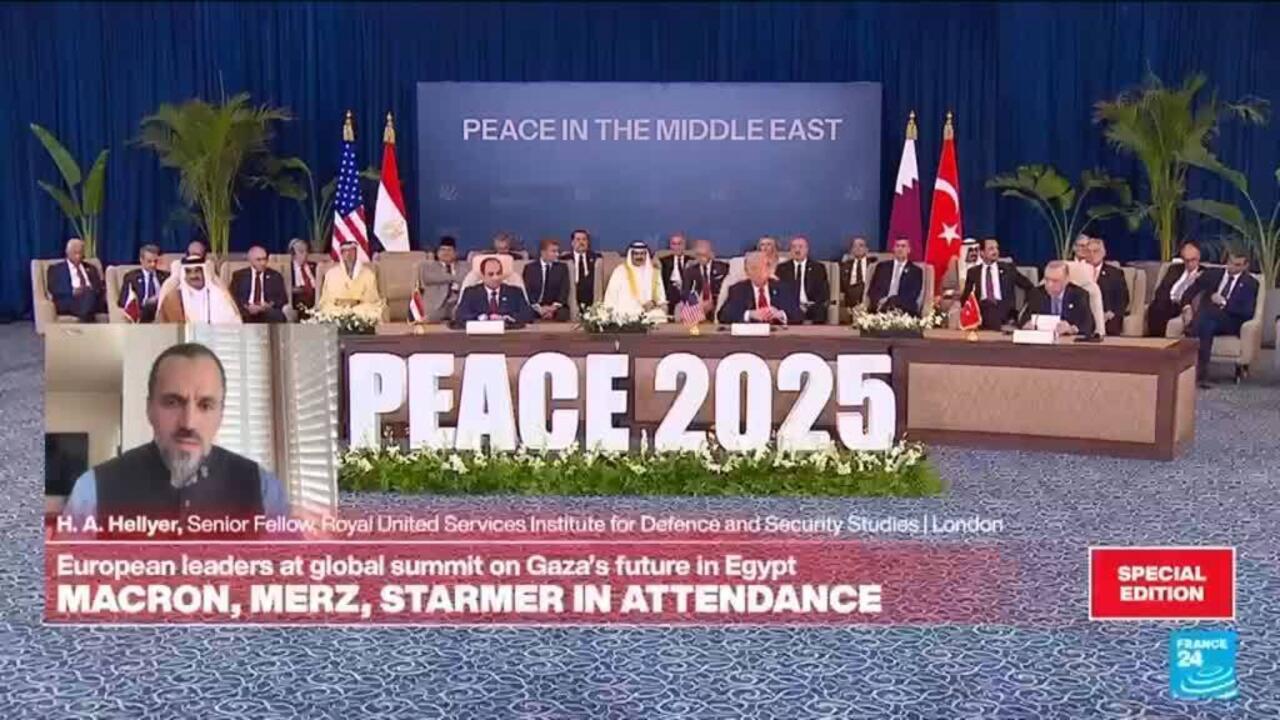
The Illusion of Peace: Why Gaza‘s Reconstruction Risks Reinforcing the Status Quo
The international community is currently focused on the gaza peace summit in Sharm el Sheikh, hopeful for a breakthrough. However, beneath the diplomatic gestures adn promises of reconstruction lies a more complex reality. A genuine peace process isn’t unfolding as quickly as some suggest, and a two-state solution feels increasingly distant.
This isn’t to dismiss efforts toward rebuilding Gaza, but to question their fundamental purpose. Are these initiatives truly aimed at lasting peace, or do they risk becoming a form of neocolonialism, simply rebranding existing power dynamics?
The Pitfalls of “Phase Two”
Much of the current discussion centers around “phase two” – the reconstruction phase led by foreign actors. This phase is characterized by grand promises of rebuilding infrastructure and revitalizing the economy. However, these efforts, while seemingly benevolent, can be deeply problematic if detached from a clear and actionable pathway to Palestinian sovereignty.
Consider this: reconstruction without political change risks solidifying the existing power structures. It’s a cycle where aid flows in, buildings are rebuilt, but the underlying issues of self-determination and political agency remain unaddressed. This isn’t about rejecting aid; it’s about ensuring it serves a larger purpose than simply restoring the status quo.
The long Road to Recovery
Recovery in Gaza will be a decades-long process. It extends far beyond rebuilding cities and infrastructure. The psychological wounds inflicted on a displaced and deeply traumatized population will take generations to heal.
Think about the impact on individuals and families.Their lives have been irrevocably altered, their sense of security shattered. Rebuilding homes is crucial, but it’s only one piece of a much larger puzzle. True recovery demands addressing the root causes of the conflict and creating a future where Palestinians can live with dignity and self-determination.
Why Reconstruction Can Become Control
Without fundamental political change, reconstruction efforts can inadvertently serve to reinforce control. Aid can become a tool for influence, and rebuilding projects can be used to solidify existing power structures.
This isn’t a conspiracy theory; it’s a historical pattern. Throughout the region, and indeed the world, reconstruction efforts have frequently enough been intertwined with political agendas. You need to ask yourself: who benefits from this reconstruction? Is it the Palestinian people, or is it those seeking to maintain control?
The Core Question: Peace or Neocolonialism?
The central question we must confront is this: is what’s being offered truly peace, or is it a more subtle form of neocolonialism? Are we witnessing a genuine effort to empower Palestinians, or simply a repackaging of existing power dynamics?
It’s a difficult question, and one that demands honest and critical examination. We must move beyond superficial gestures and focus on the underlying political realities. Only then can we begin to build a future where lasting peace is absolutely possible.
Evergreen Insights: The importance of Self-Determination
The core issue at the heart of the Israeli-Palestinian conflict is self-determination. Without a genuine commitment to Palestinian sovereignty, any reconstruction or peace initiative will ultimately fall short. This principle applies not just to Gaza, but to conflicts around the world. Empowering communities to control their own destinies is the only path to lasting peace and stability.
Frequently Asked Questions
1.What is the biggest obstacle to a lasting peace in Gaza?
The primary obstacle is the lack of a clear pathway to Palestinian sovereignty and self-determination. Reconstruction efforts without political transformation will likely reinforce existing power imbalances.
2. How long will it realistically take for Gaza to recover?
Recovery will be a decades-long process, encompassing not only physical rebuilding but also the healing of deep psychological wounds within the population.
3. What is meant by “neocolonialism” in the context of Gaza?
Neocolonialism refers to the use of economic and political influence to control or exploit a region without direct political rule. In Gaza, it suggests that reconstruction efforts could inadvertently serve to maintain existing power structures.
**4. Why is the Sharm
Keep reading