reclaiming Narratives: A Son’s Journey Through Storytelling, Identity, and Indigenous Resilience
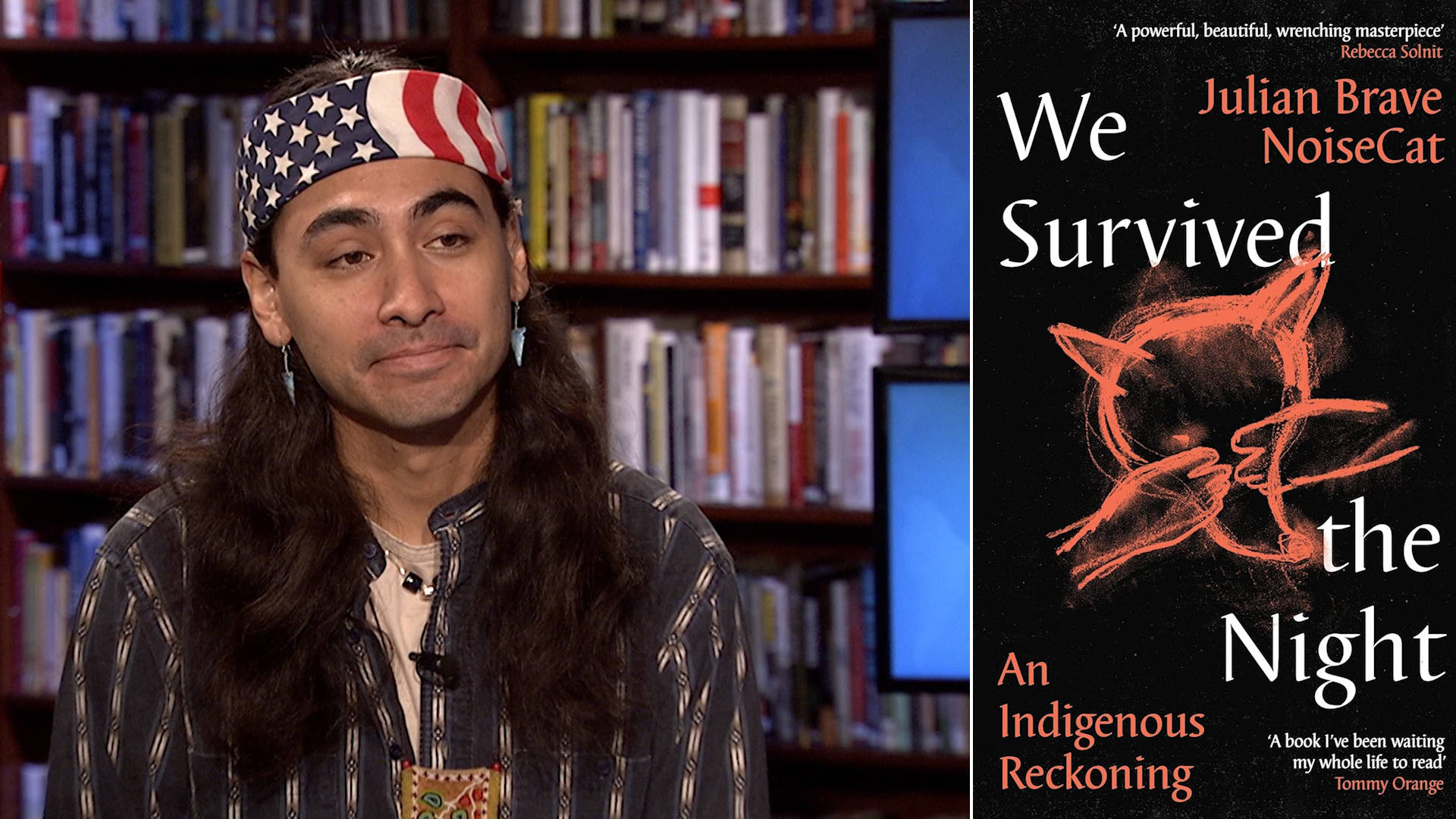
Julian Brave NoiseCat, an Oscar-nominated filmmaker and journalist, is poised to release his deeply personal debut memoir, We Survived the Night.The book, alongside his co-directed documentary Sugarcane, represents a powerful exploration of family, identity, and the enduring legacy of Indigenous experience in the United states. NoiseCat’s work isn’t just storytelling; it’s a reclamation of narrative, a process fueled by an unconventional yet profoundly impactful decision he made at age 28.
A Return Home, A Search for Roots
Facing the ambitious task of creating Sugarcane and writing We Survived the Night, NoiseCat recognized a need for complete immersion in the stories he wanted to tell. This led him to a surprising choice: moving back in with his father. It was a decision layered with complexity, especially given a lingering debt from his father’s contribution to his high school graduation.
This co-habitation wasn’t simply a logistical arrangement. It became a unique prospect for intergenerational connection and a vital research period. Days were spent in separate creative pursuits - NoiseCat working on his documentary and book, his father in his carving studio. evenings were reserved for something even more valuable: storytelling.
NoiseCat began recording conversations with his father,uncovering a wealth of personal history he hadn’t previously known. He together delved into ethnographic texts, studying oral histories and the figure of the trickster Coyote within his Indigenous traditions.
parallels Between generations, Between Myth and Reality
A striking pattern emerged as NoiseCat reflected on these dual sources of narrative. He observed compelling parallels between his father – a man who embodied both creation and destruction, survival against the odds – and the archetype of Coyote. Both figures,he realized,were complex,multifaceted,and fundamentally resilient.
This realization became a cornerstone of his work, highlighting the cyclical nature of experience and the enduring power of storytelling to connect generations and illuminate universal truths. It’s a testament to the idea that our personal histories are often interwoven with larger cultural narratives.
A Statement of Identity: The Headband and the Flag
During a recent interview with Amy Goodman on Democracy Now!, noisecat addressed the symbolism of his attire: an American flag headband worn upside down. He explained it as a deliberate statement, acknowledging the complex position of Indigenous people within the United States.
He also connected the headband to a significant moment in Native American political awakening.He noted that many Native men experience a period of embracing the headband as a symbol of pride and resistance, referencing the activism of the American Indian Movement in the 1970s, including the occupation of Alcatraz.
“I think I wanted to subvert one of the most significant symbols of this land and put it on my head upside down as a way of signifying, you know, my own cultural pride and whose land this really is,” noisecat explained. it’s a powerful visual representation of reclaiming identity and challenging dominant narratives.
Exploring We Survived the night and Sugarcane
We Survived the Night promises to be a compelling memoir, offering a nuanced and intimate portrait of family, identity, and the search for belonging.Sugarcane, the documentary NoiseCat co-directed, further expands on these themes, likely offering a broader exploration of Indigenous experiences and resilience.
Where to Learn More:
* Read We Survived the Night: Available October 14th.
* Watch Sugarcane: Details available through the filmmakers.
* Democracy Now! Interview: https://www.democracynow.org/ (Part 2 available online)
* Upcoming Events:
* Santa Fe International Film Festival (October 17th) with amy Goodman and Tia Lessin.
* Greenlight Bookstore in Brooklyn (date to be announced).
Julian Brave NoiseCat’s work is a vital contribution to contemporary literature and filmmaking. It’s a reminder that stories have the power to heal, to connect, and to challenge us to reconsider our understanding of history, identity, and the ongoing struggle for Indigenous sovereignty. His journey is a testament to the enduring power
Worth a look