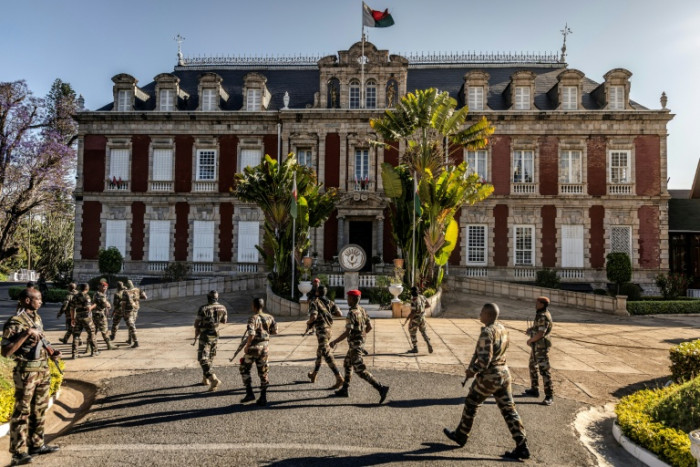
Madagascar Under Military Rule: A Nation Navigates Political Turmoil
Antananarivo, Madagascar – Madagascar is once again facing a period of political instability, culminating in a military takeover on tuesday following the impeachment of President Andry Rajoelina by the National Assembly. This dramatic shift in power comes after weeks of escalating protests, fueled by widespread discontent over economic hardship and allegations of government mismanagement. As a long-time observer of African politics, and specifically Madagascar’s often-turbulent history, the current situation represents a critical juncture for the Indian Ocean nation.
From Protests too Power Grab: A Rapid Escalation
The seeds of this crisis were sown in late September, with youth-led demonstrations – spearheaded by a movement known as Gen Z – initially focused on crippling power and water shortages. These grievances quickly broadened into a wider rejection of President Rajoelina and the ruling elite, reflecting deep-seated frustrations with the country’s economic struggles and perceived lack of progress.
The situation took a decisive turn over the weekend when the Capsat (Camp des Anciens Paras Commando) military unit, a highly-trained and influential force, publicly declared its support for the protesters. This was a meaningful advancement, given Capsat’s pivotal role in the 2009 coup that initially brought Rajoelina to power. The backing of the gendarmerie, the paramilitary police force, followed shortly after, with officials acknowledging ”faults and excesses” in their handling of the demonstrations – a rare admission of accountability.
Despite Rajoelina’s last-ditch attempt to dissolve the National assembly via a presidential decree,parliamentarians proceeded with the impeachment vote on Tuesday. The vote overwhelmingly passed with 130 in favor, exceeding the required two-thirds majority in the 163-member chamber. The presidency instantly dismissed the vote as legally invalid, but the momentum had already shifted.
Colonel michael Randrianirina, commander of Capsat, announced the military’s assumption of power from the Presidential Palace.He outlined plans for a governing committee comprised of officers from the army, gendarmerie, and national police, with the intention of eventually incorporating senior civilian advisors and establishing a civilian government “after a few days.” The announcement was followed by a visible display of military strength, with armored vehicles patrolling the capital, Antananarivo, to the cheers of supportive crowds.
Rajoelina’s Response and the Shadow of French Involvement
president Rajoelina, reportedly outside the country, initially refused to concede, claiming he was in a “safe place to protect my life” and remained committed to finding solutions to the crisis. His absence and defiant stance only served to exacerbate the situation. Reports suggesting French assistance in facilitating his departure sparked further outrage among protesters, who accused France of interfering in Madagascar’s internal affairs.
Rajoelina’s tenure has been marked by political volatility. While he initially presented himself as a reformer, his administration faced criticism for its handling of the economy and allegations of corruption. His previous attempts to quell unrest, including the recent sacking of his entire government and the replacement of the Senate President, proved insufficient to address the underlying grievances.
A History of Instability and the Path Forward
Madagascar’s political landscape has been fraught with challenges as gaining independence from France in 1960. Coups,political crises,and periods of instability have been recurring themes. The current situation underscores the fragility of democratic institutions and the deep-rooted socio-economic issues that continue to plague the nation.
The United Nations has reported at least 22 deaths during the initial days of the protests, a figure disputed by rajoelina, who claims the fatalities were looters and vandals. Regardless of the exact number, the loss of life highlights the perilous escalation of tensions and the urgent need for a peaceful resolution.
Looking Ahead: Challenges and Opportunities
The immediate priority is to establish a stable transitional government that can address the pressing needs of the Malagasy people. This includes restoring essential services like power and water, ensuring security, and initiating a genuine dialog with civil society and political stakeholders.
However, the path forward is fraught with challenges. The military’s involvement raises concerns about the potential for authoritarianism and the erosion of democratic principles. It is crucial that the governing committee adheres to a clear timeline for transitioning to civilian rule and respects fundamental rights and freedoms.
Moreover, addressing the underlying economic issues that fueled the protests is paramount. madagascar is one of the world’s poorest countries, and sustainable development requires long-term investment in infrastructure, education,
Worth a look