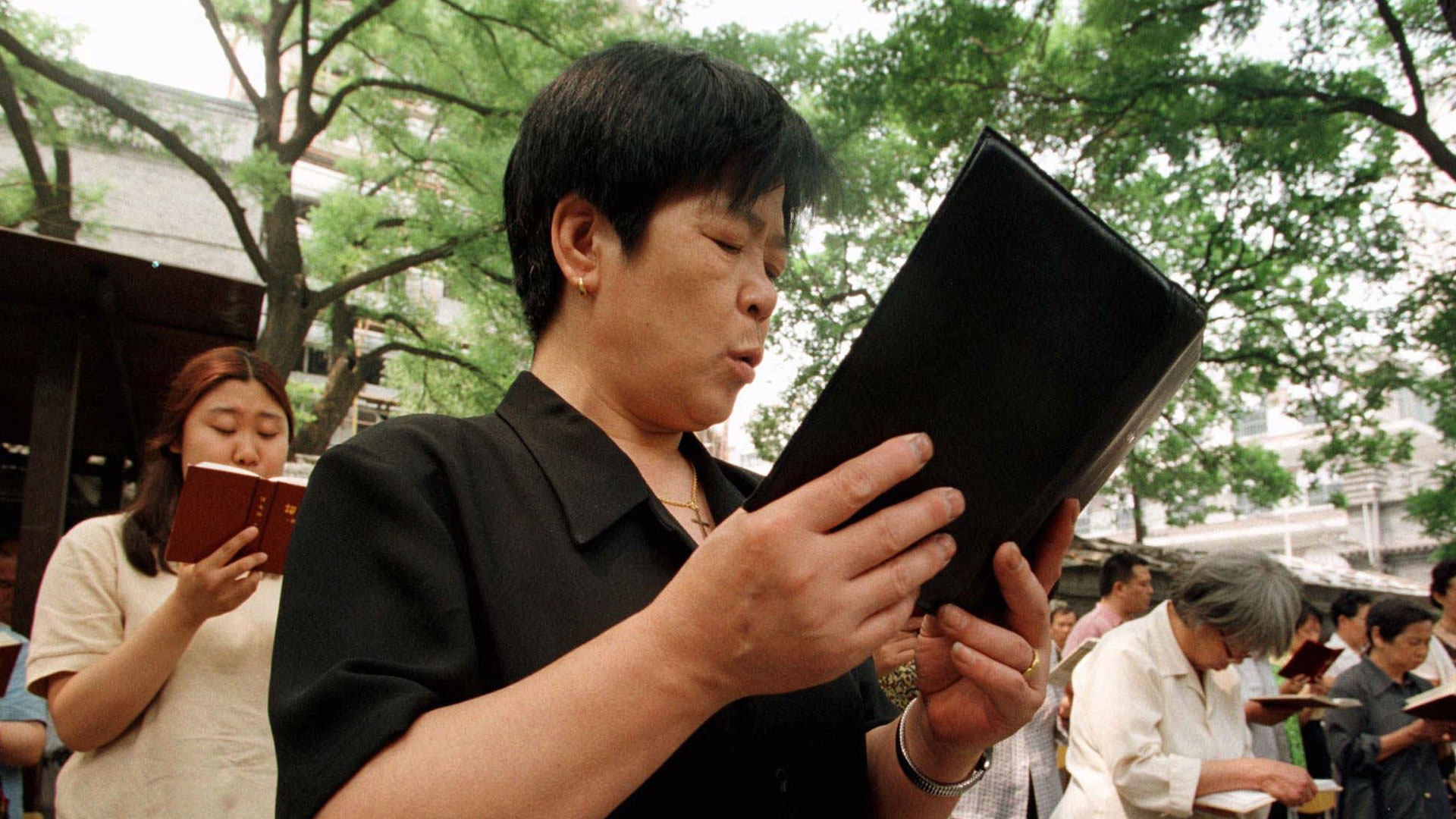
China Intensifies Crackdown on House Churches, Detaining prominent Pastor & Raising Religious Freedom Concerns
The chinese Communist Party (CCP) is escalating its suppression of unregistered Christian churches, most recently with the detention of dozens of leaders from the Zion Church, including its well-known pastor, Mingri “Ezra” Jin. This action represents a meaningful escalation in the ongoing persecution of religious groups operating outside of strict government control, and signals a broader tightening of restrictions on online religious expression.
As a long-time observer of religious freedom issues in China, I can tell you this isn’t an isolated incident. Its part of a disturbing trend. Let’s break down what’s happening, why it matters, and what’s at stake.
The Two Worlds of Christianity in China
Understanding the situation requires recognizing the distinct categories of churches within China:
* Registered Churches (Three-Self Churches): These congregations are officially sanctioned by the government. They operate under the strict oversight of the CCP and adhere to communist principles. Essentially, they’ve agreed to state control in exchange for the ability to worship.
* Unregistered “House” Churches: These churches operate independently of government control. While not necessarily operating in complete secrecy,they refuse to submit to CCP authority. They’ve historically faced intense pressure and persecution for their independence.
For decades, these house churches have been a vital expression of faith for millions of Chinese Christians. However, their very existence challenges the CCP’s authority.
A Pastor Detained, Rights Violated
Pastor Jin’s detention is especially alarming. He’s currently held on suspicion of “illegal use of information networks,” a vague charge that carries a potential seven-year prison sentance. This stems from his church’s use of the internet for religious activities – specifically, online sermons and communication.
The situation is deeply concerning for several reasons:
* Broad Application of the Law: The charge is open to wide interpretation, allowing the CCP to target any religious leader utilizing online platforms.
* Denial of Legal Counsel: Reports indicate that lawyers are being denied access to the detained pastors, raising serious due process concerns.
* Health Concerns: Jin has a history of diabetes and requires medication, raising fears for his well-being while in custody.
* The Scale of the Crackdown: jin’s detention isn’t an isolated case. Dozens of other church leaders have been similarly targeted, making this one of the largest coordinated actions against a house church in the last decade.
New Regulations Tighten Control Over Online Religious Activity
This crackdown coincides with the implementation of a new “Code of Conduct for Religious Clergy on the Internet” issued by the CCP in September. This code effectively restricts online religious expression to officially approved channels. Key stipulations include:
* Licensed Platforms Only: Preaching can only occur on websites and applications with an ”Internet Religious Information Services License” - a license difficult for independent churches to obtain.
* No Self-promotion: pastors are prohibited from using religious content to attract followers or increase online traffic.
* Strict Content Control: all online religious content is subject to CCP censorship and oversight.
Essentially, the CCP is attempting to completely control the narrative and limit the reach of religious teachings that aren’t aligned with its ideology.
Sinicization and the CCP’s Agenda
Under President Xi Jinping, the CCP is aggressively pursuing a policy of “Sinicization” of religion. This doesn’t simply meen incorporating Chinese cultural elements into religious practice. Instead, it demands that all aspects of religious life conform to the ideology of the Chinese Communist Party.
This includes:
* Loyalty to the Party: Religious leaders are expected to prioritize loyalty to the CCP above their faith.
* Reinterpretation of Doctrine: Religious teachings are being reinterpreted to align with communist principles.
* State Control of Religious Institutions: The CCP seeks to exert complete control over all religious organizations and activities.
This policy represents a basic assault on religious freedom and the right to believe according to one’s conscience.
International response & What you Can Do
The United States government has condemned the detentions. Secretary of State Marco Rubio issued a statement calling for the immediate release of Pastor Jin and other Zion Church leaders, highlighting the CCP’s hostility towards Christians who refuse to accept Party interference.
However, international pressure alone may not be enough. Here’s what you
Keep reading