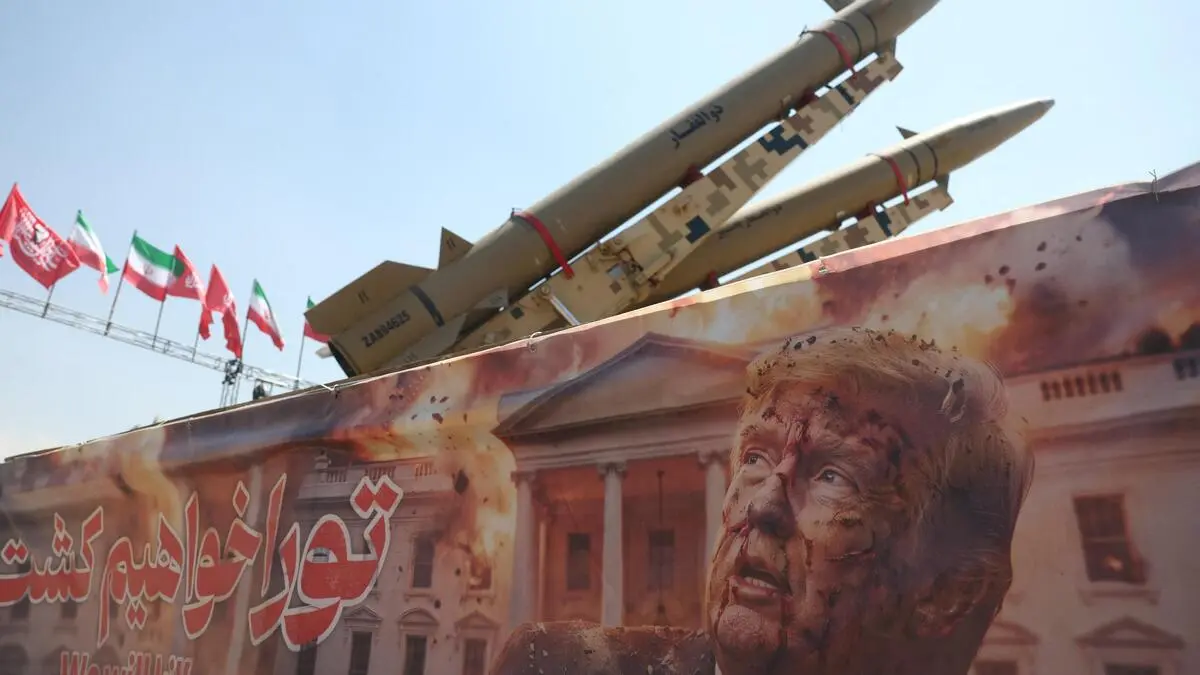
Iranian officials have forcefully rejected claims by former United States President Donald Trump that Tehran privately requested Washington to hold off on new military strikes. The exchange highlights ongoing diplomatic and military tensions between the two nations, with Iranian authorities dismissing the assertions as fabricated political rhetoric.
The diplomatic friction intensified following public statements from Washington regarding backchannel communications. According to international news reports, the back-and-forth underscores the fragile nature of deterrence in the Middle East as both governments navigate high-stakes security postures and competing public narratives.
Independent analysts monitoring regional security note that public posturing from both capitals frequently serves domestic political audiences as much as it reflects actual diplomatic engagement. Observers emphasize that verifiable channels for direct communication remain severely restricted, complicating efforts to de-escalate ongoing friction.
Tehran Dismisses Washington Claims
Iranian state media and official spokespersons moved quickly to counter the narrative presented by Washington, characterizing the assertion of a backdoor plea for restraint as entirely baseless. Officials in Tehran maintained that the country’s military forces remain fully prepared to respond to any external aggression without seeking concessions or pauses from foreign adversaries.
The firm stance reflects a broader pattern of deterrence messaging favored by Iranian leadership, who routinely emphasize self-sufficiency in defense matters. Regional watchers point out that public denials of diplomatic overtures are standard practice when administrations seek project strength both domestically and internationally.
Geopolitical Stakes and Regional Reactions
The war of words unfolds against a backdrop of persistent instability across the Middle East, where allied proxy groups, shipping lanes, and sovereign borders face continuous pressure. International monitors track these developments closely, measuring the risk of miscalculation between Western military assets stationed in the region and Iranian defense networks.
Diplomatic missions in neutral third-party nations have repeatedly urged both Washington and Tehran to maintain open communication lines to prevent localized skirmishes from spiraling into broader regional conflict. However, mutual distrust continues to obstruct formal mediation efforts, leaving regional stability vulnerable to sudden escalations.
As the situation develops, international observers await official statements from defense ministries regarding force postures and regional deployments. Stakeholders seeking further updates can monitor official briefings released by international oversight bodies and foreign policy institutes.
Related reading