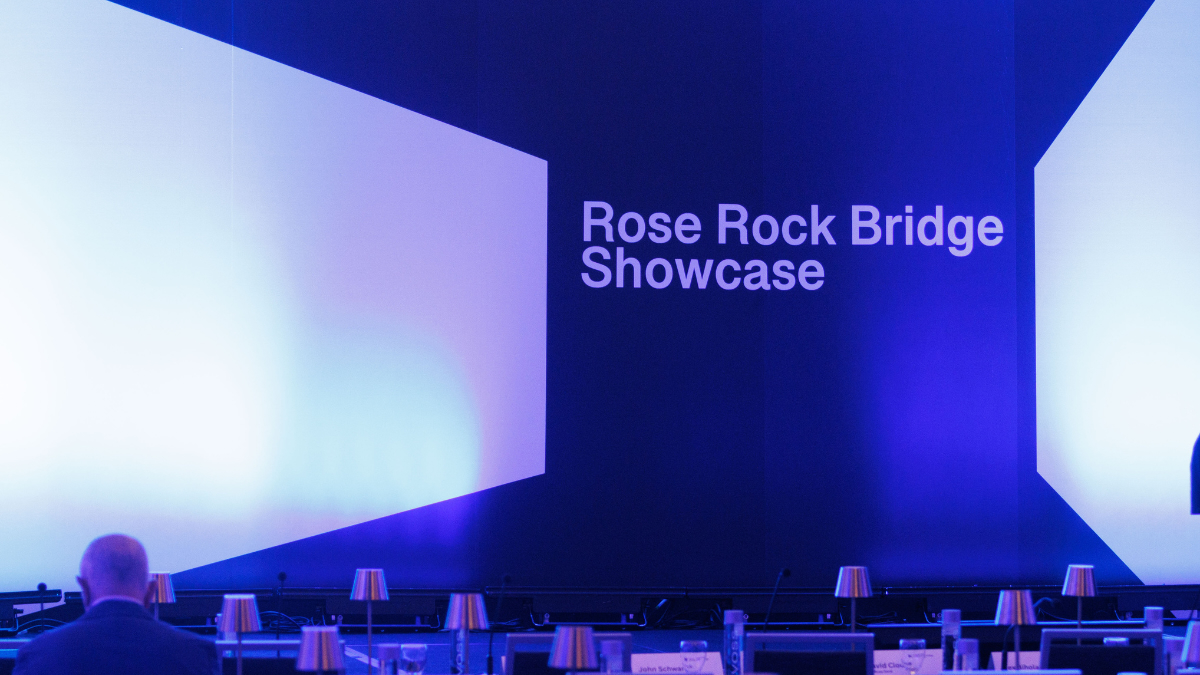
Rose Rock Bridge: Fueling the Future of Low-Carbon natural Gas Innovation in Tulsa
Tulsa, Oklahoma, is rapidly emerging as a hub for energy technology innovation, and at the forefront of this change is the Rose rock Bridge (RRB) program. A unique initiative designed to accelerate the commercialization of cutting-edge energy solutions, RRB isn’t just another pitch competition – it’s a strategic bridge connecting promising startups with the resources, expertise, and industry partnerships needed to thrive. This article delves into the RRB model, its impact on the Tulsa ecosystem, and the groundbreaking companies driving innovation in low-carbon natural gas.
Beyond Funding: A Commercialization-Focused approach
Traditional startup incubators and accelerators often prioritize securing venture capital. RRB, however, flips this script. While investment is a potential outcome, the program’s core mission is to rapidly translate promising technologies into real-world applications. This is achieved by focusing on “white space” problems identified by leading energy partners – this year, the critical challenge of developing low-carbon natural gas solutions.
“We’re not just looking for great ideas; we’re looking for commercially viable solutions to significant industry challenges,” explains Jennifer Hankins, a key figure behind the RRB program. ”The companies that succeed with us have already demonstrated their technology, validated its potential, and frequently enough, secured initial customer traction. We than provide the catalyst to accelerate their path to market.”
this year’s cohort was selected from a highly competitive pool of over 50 applicants, demonstrating the program’s ability to attract top-tier innovation. the fourteen selected companies weren’t simply pitching for funding; they were vying for the opportunity to pilot their technologies with established Oklahoma energy companies, a far more valuable proposition for early-stage ventures.
Empowering Startups with Resources and Real-World Validation
Each participating startup receives $100,000 in non-dilutive funding – a crucial financial boost without relinquishing equity. Though, the financial support is just one piece of the puzzle. RRB provides a complete suite of support services, including:
* Pilot Opportunities: Direct access to industry partners for real-world testing and validation.
* Mentorship: Guidance from experienced entrepreneurs-in-residence and executives-in-residence.
* Ecosystem Integration: Connections to university research partners, potential investors, and the broader Tulsa energy tech community.
* Operational Support: Assistance with establishing a presence in Tulsa,including access to lab space and resources.
This holistic approach equips startups with not only the capital but also the practical experience and network necessary for long-term success.The program’s emphasis on ”stickiness” – ensuring companies establish deep roots in the Tulsa ecosystem – is a testament to its commitment to building a enduring innovation hub.
Meet the 2024 Rose Rock Bridge Cohort: Pioneering Low-Carbon Solutions
The 2024 cohort represents a diverse range of technologies poised to revolutionize the low-carbon natural gas landscape. Here’s a closer look at the four companies highlighted:
* Eigen Control: Leveraging the power of artificial intelligence and machine learning, Eigen Control is developing Raman Spectroscopy-based real-time chemical analysis tools. This technology empowers energy providers to optimize their processes, improve efficiency, and reduce waste. ( Erdin Guma, Eigen Control)
* Kinitics Automation: Addressing a critical issue in the industry, Kinitics Automation is increasing the reliability of equipment and significantly reducing methane emissions through the innovative use of spring-loaded electric valve actuators. (Dean Pick, Kinitics Automation)
* Lukera Energy: Lukera Energy is tackling the challenge of waste management by converting wastewater and stranded gas into clean methanol, a versatile and valuable chemical feedstock. (Brian Worfolk, Lukera Energy)
* Pike Robotics: Prioritizing safety in hazardous environments, Pike Robotics is developing robotic inspection platforms that can perform critical tasks in high-risk settings, minimizing human exposure to danger. (Connor Crawford, Pike Robotics)
These companies exemplify the RRB program’s focus on impactful, commercially-ready solutions.
Tulsa’s Emerging Energy Tech Ecosystem: A Magnet for Innovation
The Rose Rock Bridge program is a cornerstone of Tulsa Innovation Labs’ broader strategy to cultivate a thriving energy technology ecosystem. By attracting and supporting innovative companies, RRB is not only driving economic growth but also positioning Tulsa as a national leader in the energy transition.
Hankins describes the program’s approach as “polishing the startups,” refining their business models, connecting them with key customers, and accelerating
Worth a look