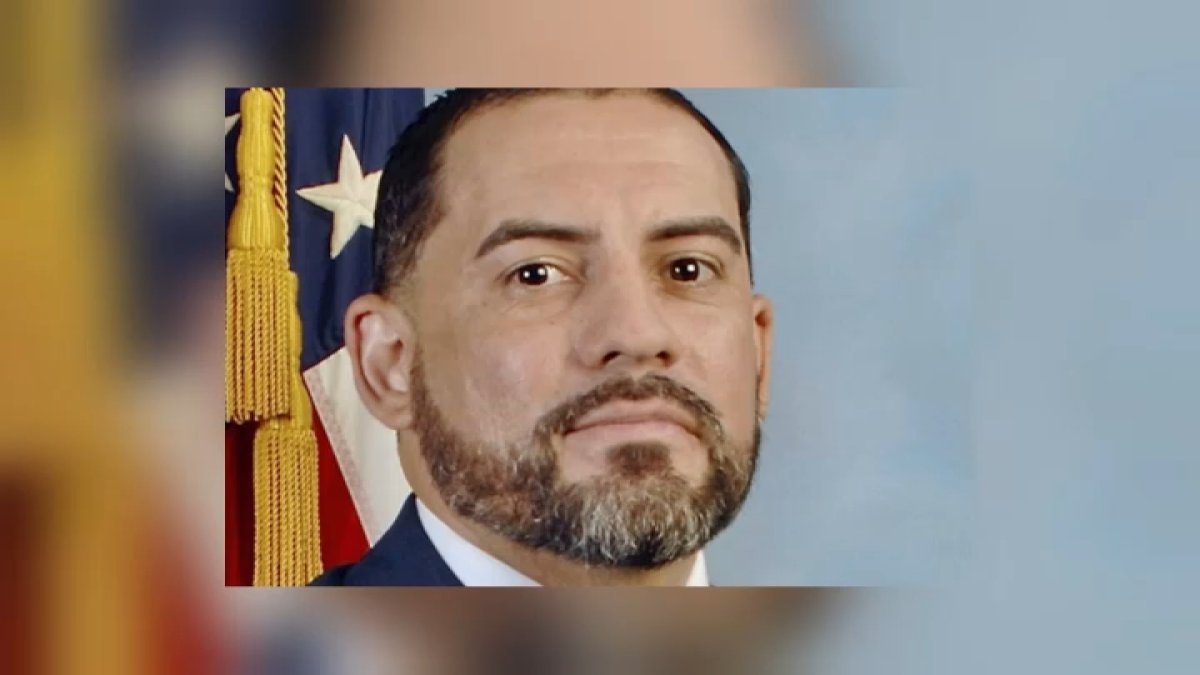
Former FBI Agent Sentenced in Tattoo Studio Rape Case: A deep Dive into the Case and it’s Implications
A former FBI agent, Eduardo Valdivia, 40, has been sentenced to 60 years in prison (reduced from an initial 80-year sentence) following his conviction on multiple counts of rape and sexual assault. The crimes where committed at his tattoo studio, DC Fine Line Tattoos, in gaithersburg, Maryland, revealing a disturbing pattern of abuse and deception. This case raises serious questions about vetting processes, the potential for abuse of power, and the lasting trauma inflicted upon survivors.
This article provides a extensive overview of the case, the investigation, the legal proceedings, and the broader implications for both law enforcement and the public.
The Crimes: Deception and Assault
Valdivia was found guilty on six counts of second-degree rape and two counts of fourth-degree sex offence on July 18th. The victims, lured under the false pretense of modeling opportunities, were subjected to horrific sexual assaults.
Here’s a breakdown of how the deception unfolded:
* False Advertising: Valdivia advertised modeling opportunities through Instagram, using aliases like “Lalo Brown” and “el Boogie.”
* Fake Identity: He communicated with potential victims posing as a woman representing exeter Models, creating a false sense of legitimacy.
* Coercive Contracts: Victims were required to sign modeling contracts, which Valdivia later allegedly used for blackmail, preventing them from coming forward.
* Filmed assaults: The assaults were filmed during supposed modeling appointments, adding another layer of violation and control.
Two women initially came forward, detailing similar experiences of sexual assault without consent.A third potential victim later revealed their experience to prosecutors. Both initial victims reported being raped during these filmed “modeling appointments.”
The Investigation and Evidence
The Montgomery County Police Department meticulously investigated the case, piecing together evidence that ultimately led to Valdivia’s conviction. Key elements of the investigation included:
* Victim Testimony: The courageous testimony of the survivors was central to the case.
* Alias Identification: Investigators successfully linked the aliases “Lalo Brown” and “El Boogie” to Valdivia, and victims positively identified him as their attacker.
* Evidence Tampering: Upon learning of the arrest warrant, Valdivia was captured on surveillance video removing a box from the tattoo studio. Crucially, all SD cards from the studio’s security cameras were missing, indicating a deliberate attempt to destroy evidence.
* Contractual Coercion: Police revealed Valdivia used the modeling contracts to intimidate victims into silence.
A Troubled Past: The Metro Shooting Incident
This case is not Valdivia’s first encounter with the law. He was previously acquitted of attempted murder after shooting a man on a Metro train near the Medical center Station in Bethesda in 2020. He was off-duty at the time of the shooting.
Remarkably,Valdivia returned to his position as a supervisory special agent with the FBI following his acquittal. This raises serious questions about the FBI’s internal review processes and its handling of personnel with potentially concerning behavior.
The FBI’s Response and Current Status
The FBI Washington Field Office has stated it is indeed fully cooperating with the Montgomery County Police Department. valdivia has been suspended pending the outcome of the investigation.
The FBI’s official statement reads: “The FBI takes allegations of criminal violations and misconduct very seriously… Because this is an ongoing investigation, the FBI cannot comment further.”
Implications and Concerns
The Valdivia case highlights several critical concerns:
* abuse of Power: A law enforcement officer using his position and resources to commit heinous crimes is a profound betrayal of public trust.
* Vetting and Oversight: The case demands a thorough review of the FBI’s vetting procedures for personnel, particularly regarding background checks and ongoing monitoring.
* Survivor Support: The victims’ initial reluctance to come forward due to fear of the contracts underscores the importance of providing comprehensive support and resources to survivors of sexual assault.
* Predatory Tactics: Valdivia’s use of false advertising and coercive contracts represents a perilous pattern of predatory behavior that must be recognized and addressed.
Looking Ahead
This case serves as a stark reminder of the importance of vigilance, accountability, and unwavering support for survivors of sexual assault. It is crucial that law enforcement agencies