The Return of the Flamingo: A sign of Everglades Restoration Success
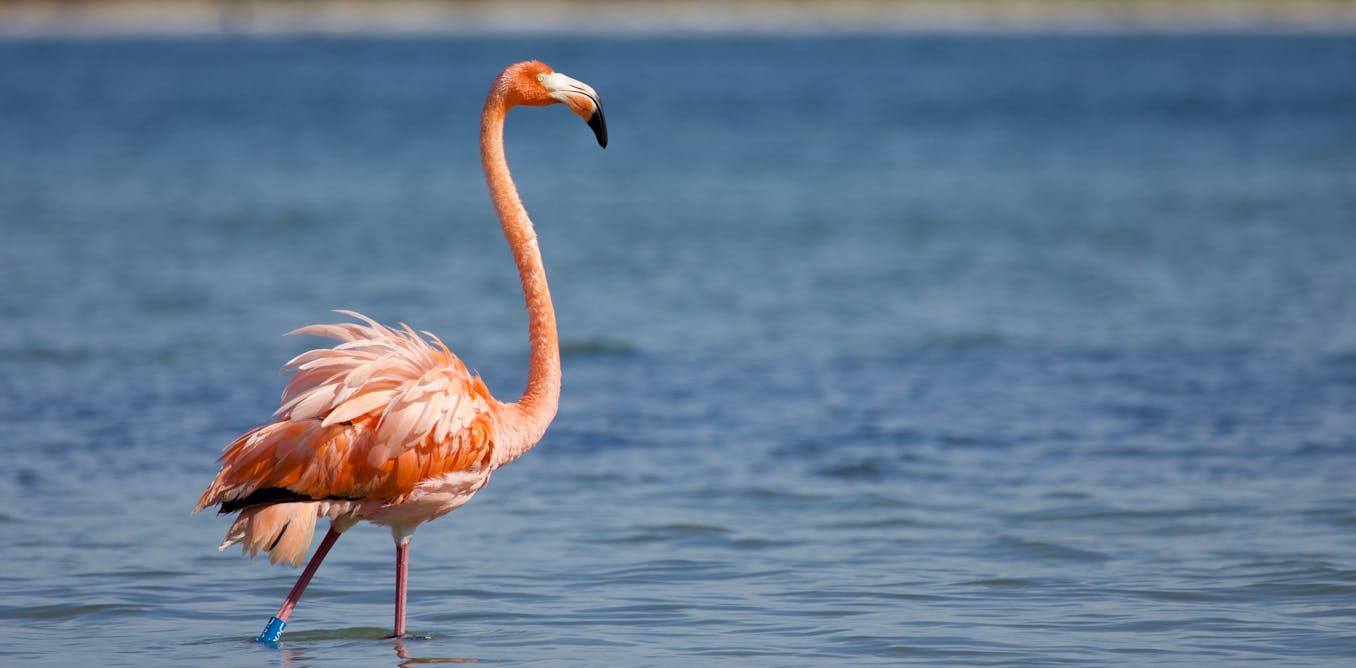
for decades, the vibrant pink flamingo was a rare sight in Florida. Now, a remarkable shift is underway. A recent photograph captured a flock of 125 individuals in Florida Bay, sparking hope that thes iconic birds are reestablishing a permanent home in the Sunshine State.This resurgence isn’t accidental; it’s a direct result of decades-long efforts to restore one of America’s most vital ecosystems.
A History of Absence
Previous sightings, like the 24 flamingos observed in 1992 and the 64 in 2004, didn’t lead to lasting populations. So, what’s different now? The answer lies in the demonstrable progress of Everglades restoration and the revitalization of Florida’s coastal ecosystems.
The Ecological Crisis of Florida Bay
When observations began in the late 1980s, Florida bay was in a state of ecological collapse. A comprehensive 1993 federal report revealed that a century of drainage, diking, and water rerouting – driven by urban and agricultural development – had drastically altered the bay’s delicate balance.
Specifically, these alterations led to:
* Increased salinity: Higher salt content rendered the water uninhabitable for many estuarine animals.
* Seagrass die-off: The bay’s vital seagrass beds experienced massive losses.
* Algal blooms: These blooms depleted oxygen levels, causing widespread fish kills.
* Mangrove decline: mangrove trees, crucial for shoreline protection and habitat, began to die.
* Bird disappearance: Birds that had historically nested in the mangroves vanished.
A Monumental Restoration Effort
These alarming conditions spurred action. In 2000, the U.S.Congress passed the Comprehensive everglades Restoration Plan (CERP). This ambitious project, costing tens of billions of dollars, represents the largest ecological restoration undertaking in the world.
The goal of CERP is to:
- restore the natural water flow to the Everglades.
- Improve water quality.
- Enhance habitat for a diverse range of species.
Signs of a Recovering Ecosystem
Today, Florida Bay is demonstrably healthier than it was just a few decades ago. Water flow has improved, and salinity levels have returned to appropriate levels, supporting a thriving ecosystem. You can see the positive impact all around.
Consider these encouraging indicators:
* Wading bird resurgence: In 2018 and 2021, over 100,000 pairs of wading birds – including white ibis, wood storks, and roseate spoonbills – nested in the Everglades.This is a level not seen since the 1940s.
* Past nesting numbers: In the 1980s and 1990s, a “banner year” for nesting birds was considered to be around 20,000 pairs.
* Improved water quality: Ongoing monitoring shows significant improvements in water quality throughout the region.
Flamingos as an Indicator Species
The return of flamingos,like the individuals affectionately nicknamed Conchy and Peaches,isn’t just a heartwarming story. It’s a powerful indicator that Everglades restoration efforts are working. These birds are sensitive to environmental changes, and their presence signals a healthier, more hospitable surroundings.
While the Everglades and Florida Bay still require ongoing care and attention, the recent flamingo sightings offer compelling evidence that we are on the right path. You can be confident that continued investment in restoration will ensure the long-term health of this invaluable ecosystem for generations to come.
Related reading