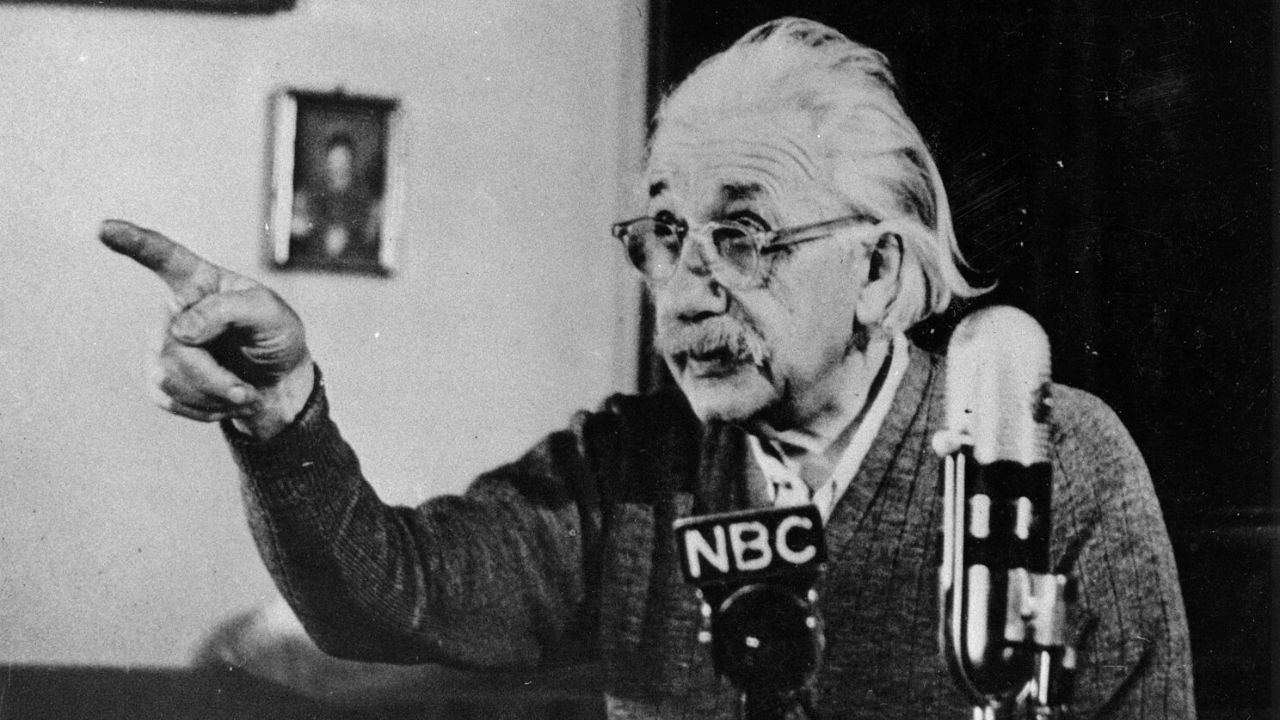
The Enduring Legacy of Einstein‘s Plea for Global Governance
Albert Einstein, a name synonymous with genius, wrestled with a profound moral dilemma in the wake of World War II. His groundbreaking equation, E=mc², unlocked the potential for atomic energy, but its devastating request in the bombings of Hiroshima and Nagasaki deeply troubled him. He later expressed regret over his role in initiating the research that led to this outcome, recognizing the terrifying new reality humanity faced.
The dawn of the nuclear age fundamentally altered the landscape of global security.Einstein, convinced of the potential for complete annihilation, dedicated the remainder of his life to advocating for a solution: a unified world government. He believed this was the onyl path to lasting peace.
From Scientific Breakthrough to Peacetime advocacy
Initially, Einstein’s involvement stemmed from a 1939 letter to President Franklin D. Roosevelt, alerting him to the possibility of Germany developing atomic weapons. However,witnessing the horrific consequences of their use led to a dramatic shift in his focus. He understood that sovereign nations, each armed with increasingly powerful weapons, would inevitably lead to further conflict.
Einstein articulated his vision clearly: “The only salvation for civilization and the human race lies in the creation of a world government, with security of nations founded upon law.” He repeatedly emphasized that true peace could only be achieved through a system of global governance, eliminating the inherent instability of independent national armaments.
Building a Movement for Peace
In 1946, alongside fellow scientists deeply concerned about the future, Einstein established the Emergency Committee of Atomic Scientists.As its chair, he became a vocal critic of militarism, nuclear proliferation, and the dangers of unchecked nationalism.
He understood that a fundamental shift in thinking was required for humanity’s survival. Einstein urged a move beyond traditional nationalistic perspectives, advocating for a collective approach to global challenges.
Here’s a breakdown of his core arguments:
* The Inevitability of Conflict: Sovereign states, by their very nature, are prone to competition and conflict.
* The Escalating Threat: Nuclear weapons amplify the stakes, making any future war potentially catastrophic.
* The Necessity of Law: A world government, based on a system of international law, is essential for maintaining peace and security.
A Lifelong Pursuit of Global Security
Until his death in 1955, Einstein remained steadfast in his commitment to peace. He consistently criticized the escalating Cold War tensions and the relentless nuclear arms race. He continued to champion strengthened global governance as the only viable solution to the growing international impasse.
You might wonder why this message resonates so strongly today. The answer is simple: the world remains a volatile place, armed with devastating weapons. Einstein’s warnings about unrestrained nationalism and his proposals for controlling it are, unluckily, more relevant than ever.
Consider these points as you reflect on his legacy:
* Global Interdependence: Modern challenges like climate change, pandemics, and economic instability transcend national borders.
* The Need for Cooperation: Addressing these challenges requires international collaboration and a shared sense of responsibility.
* The power of Collective Action: A unified global approach is essential for building a more peaceful and sustainable future.
Einstein’s vision wasn’t simply a utopian dream. It was a pragmatic response to a terrifying new reality. He believed that humanity’s survival depended on its ability to transcend national interests and embrace a shared destiny. His enduring legacy challenges you to consider: what role will you play in building a more peaceful and just world?
Related reading