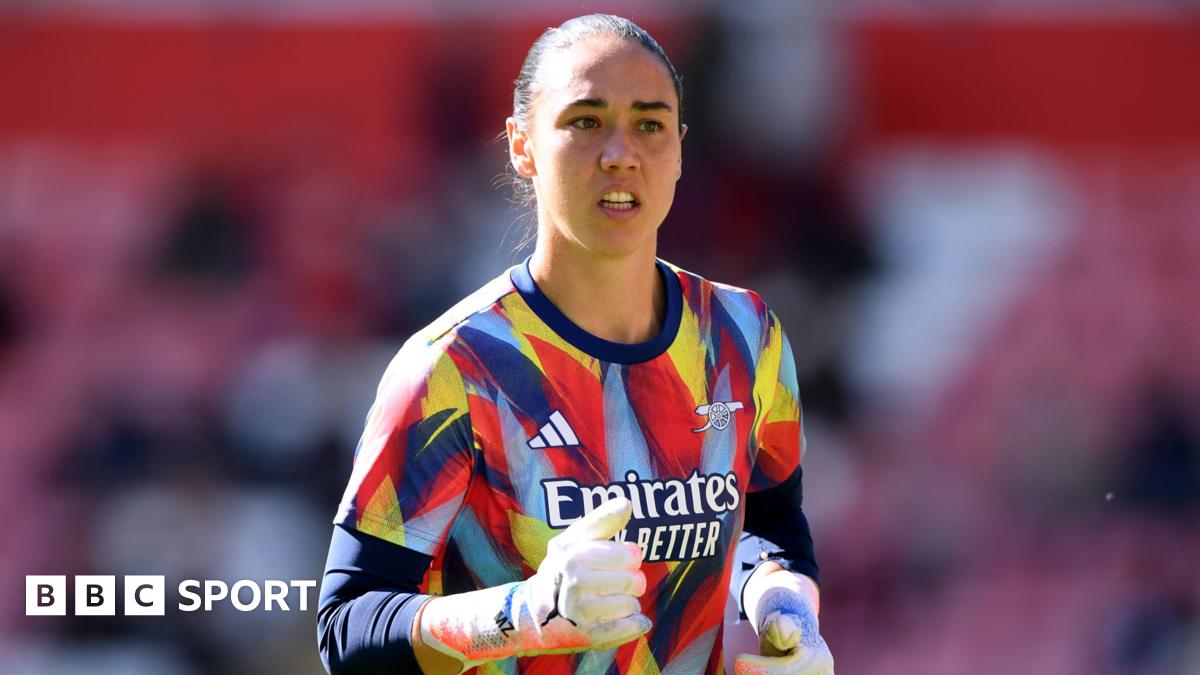
Teh Devastating Impact of ACL Injuries in Women’s Football: The Manuela Zinsberger Case
The world of women’s football was dealt a blow this week with the news that Arsenal goalkeeper Manuela Zinsberger has suffered a ruptured anterior cruciate ligament (ACL). This injury, sustained during a routine training session ahead of Arsenal’s Champions League clash with Benfica, is regrettably becoming increasingly common in the sport. This article delves into the specifics of zinsberger’s injury, the broader context of ACL injuries in female athletes, the recovery process, preventative measures, and the implications for Arsenal’s season. We’ll explore the biomechanical factors,rehabilitation protocols,and the evolving landscape of injury prevention in women’s soccer.
Did You Know? Female athletes are 2-8 times more likely to suffer an ACL injury than their male counterparts, a disparity linked to anatomical, hormonal, and biomechanical differences.
Understanding the ACL: Anatomy and Function
The anterior cruciate ligament (ACL) is one of the four major ligaments in the knee. Its primary function is to provide stability to the knee joint, preventing excessive forward movement of the tibia (shinbone) relative to the femur (thighbone). A rupture occurs when the ligament is stretched or torn, frequently enough due to sudden stops, changes in direction, awkward landings, or direct contact.
In Zinsberger’s case, the injury occurred during training, highlighting that ACL tears aren’t solely a result of game-day collisions. this underscores the importance of extensive injury prevention programs that address risk factors present even in controlled environments.
Manuela Zinsberger’s Injury: Details and Implications
Arsenal confirmed Zinsberger will undergo surgery and is expected to be sidelined for the remainder of the 2025-26 season. This is a significant setback for both the player and the club. While Daphne van Domselaar has established herself as the first-choice goalkeeper, Zinsberger’s experience and Champions League pedigree will be sorely missed.
Her role in Arsenal’s previous Champions League campaigns,including eight appearances last season,demonstrates her value. The injury also raises questions about squad depth and potential recruitment strategies for Arsenal moving forward. The club’s statement emphasizes their support for Zinsberger, a crucial aspect of athlete well-being during a challenging recovery period.
Pro Tip: Early diagnosis and a well-structured rehabilitation program are paramount for a accomplished ACL recovery. Don’t rush the process; prioritize proper healing and functional restoration.
The Rising tide of ACL Injuries in Women’s Football
The frequency of ACL injuries in women’s football is a growing concern. Recent data from FIFA (as of October 2024) indicates a 30% increase in reported ACL injuries among female players over the past five years. several factors contribute to this alarming trend:
* anatomical Differences: Women generally have wider hips, leading to a larger Q-angle (the angle between the quadriceps muscle and the patellar tendon). This can place greater stress on the ACL.
* Hormonal Influences: Fluctuations in estrogen levels throughout the menstrual cycle can affect ligament laxity, potentially increasing injury risk.
* Neuromuscular Control: Differences in muscle activation patterns and landing mechanics between men and women can contribute to ACL vulnerability.
* Training Load & Fatigue: Increased demands of professionalization,coupled with inadequate recovery,can lead to fatigue and compromised biomechanics.
* Footwear & Surface: The type of footwear and playing surface can also play a role, impacting traction and force absorption.
ACL Reconstruction & Rehabilitation: A Step-by-Step guide
ACL reconstruction typically involves replacing the torn ligament with a graft, often sourced from the patient’s own hamstring tendon or patellar tendon. The rehabilitation process is lengthy and demanding,typically spanning 9-12 months,and can be broken down into phases:
- Phase 1 (0-6 weeks): Focuses on reducing pain and swelling,regaining range of motion,and initiating muscle activation.
- Phase 2 (6-12 weeks): Emphasis on strengthening the quadriceps, hamstrings, and gluteal muscles. Introduction of low-impact exercises like cycling and swimming.
3.