empowering Off-Grid Living: A Deep Dive into the 12.8V Smart Mini Lithium Battery System
The quest for energy independence is driving a surge in demand for reliable, portable power solutions. Among the growing options, lithium battery systems are rapidly becoming the gold standard for off-grid living, RV adventures, and emergency preparedness. This comprehensive guide focuses on the lithium battery experience, specifically examining the 12.8V Smart Mini system, offering a detailed look at its setup, performance, and real-world applications.We’ll move beyond basic specifications to provide practical insights gleaned from hands-on testing and address common challenges faced by users transitioning to this technology. This isn’t just a product review; it’s a roadmap to understanding and maximizing your investment in a portable power future.
Did You Know? Lithium batteries boast a substantially longer lifespan and higher energy density compared to conventional lead-acid batteries,making them a more enduring and cost-effective long-term solution.
Unboxing and Initial Impressions: Secure Delivery & Component Overview
First impressions matter, and the 12.8V Smart Mini system delivered. All components arrived meticulously packaged with substantial molded foam insulation, ensuring protection during transit. This attention to detail speaks volumes about the manufacturer’s commitment to quality. The package included the battery itself, along with necessary cables and fasteners for battery connection and secure mounting.
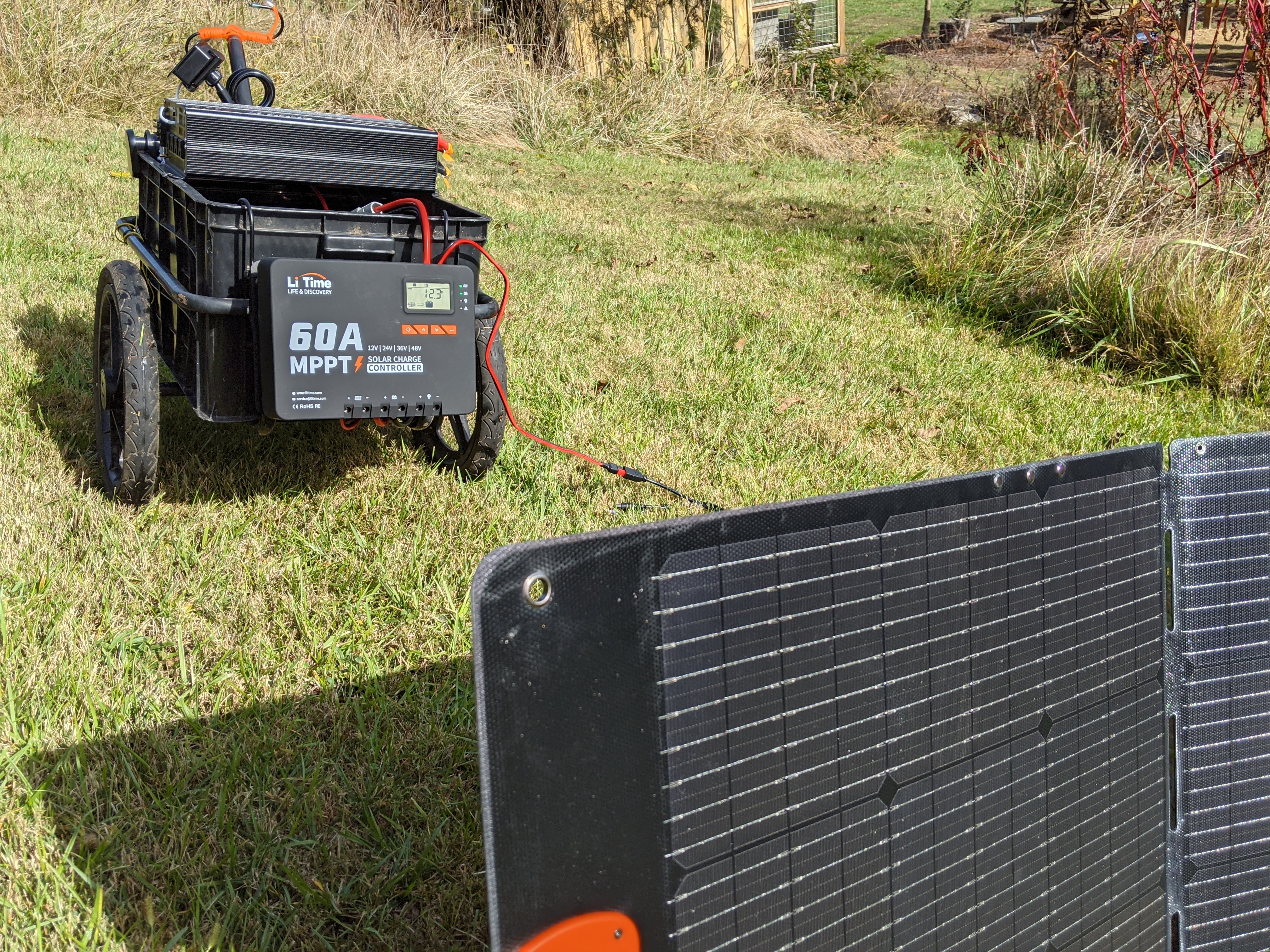
The battery is the heaviest component, weighing in at approximately 57 lbs (25.93 kg). However, its relatively slim profile – 38.4 cm x 19.6 cm x 24.8 cm – is a meaningful advantage.This compact design allows for versatile mounting options. In our testing, the battery and its accessories integrated seamlessly into a bike trailer, providing both a secure housing and enhanced portability. This is a crucial consideration for those prioritizing mobile power solutions.
Pro Tip: Before unboxing, photograph the packaging as it arrived. This provides valuable documentation in case of any shipping damage claims.
Installation & Wiring: A Mostly Straightforward Process
Wiring the system proved to be largely intuitive, thanks to a clear and concise instruction manual. Connecting the battery to the inverter and charger was a breeze, with the provided cables and fasteners facilitating a secure and reliable connection. Though, a notable omission was the lack of cables or hardware for connecting the solar charge controller.
This required a separate purchase from Amazon, specifically Power Pole and 120V Anderson plug connectors.While slightly inconvenient, it’s a common scenario in the DIY power systems world. The delay allowed us to explore a modular approach,keeping the solar charging solution separate initially. Importantly, both the included charger and the planned solar controller possess built-in safeguards to prevent overcharging or damage to the battery, offering peace of mind. Understanding these safety features – like Battery Management Systems (BMS) – is paramount when integrating multiple charging sources.
| Component | Included | Notes |
|---|---|---|
| Battery | Yes | 57 lbs (25.93 kg), Compact Design |
| Inverter Cable | Yes | Secure Connection |
| Charger Cable | Yes | Keep reading
|