The Hidden Heat: How vacant Land Impacts Urban Temperatures and Public Health in Houston – and Beyond
Houston, a city known for it’s sprawling landscape and rapid growth, faces a hidden threat: the escalating impact of urban heat islands. New research from Texas A&M University reveals a critical link between vacant land, abandoned buildings, and dangerously high surface temperatures, especially impacting vulnerable communities. This isn’t just about discomfort; it’s a public health issue demanding immediate attention.
The Problem: Vacant Land as a Heat Amplifier
For years, urban planners have understood that concrete and asphalt absorb and retain heat, creating “urban heat islands” where temperatures are significantly higher than surrounding areas. Though, a recent study highlights a surprising contributor: how we manage – or don’t manage – vacant land.
Researchers found that the type of surface covering vacant lots dramatically affects local temperatures. Here’s a breakdown:
* Bare soil or gravel: These surfaces heat up significantly, exceeding temperatures of built-up areas.
* Vegetation: Lots covered in plants offer a cooling effect, mitigating the heat island impact.
* Abandoned buildings: Even small clusters of derelict structures can dramatically raise nearby land temperatures.
Houston alone boasts roughly 45,000 acres of vacant land and 10,000 acres of abandoned buildings. That’s a ample area contributing to the problem. The study utilized thermal mapping,vividly illustrating how areas with ample trees and open spaces remain cooler,even amidst abandoned structures. (see image above – note the cooler blues and purples).
Why This Matters: The Human Cost of Urban Heat
These elevated surface temperatures aren’t just numbers on a map. They translate directly into real-world risks for residents,especially those with limited resources.
* Risky Public Spaces: Sidewalks, bus stops, and other public areas become dangerously hot, posing a health risk to pedestrians.
* Increased Heat Exposure for Vulnerable Populations: Low-income individuals are often forced to walk or bike in extreme heat without adequate shade. Prolonged exposure can lead to serious health consequences.
* Nighttime Heat Retention: Concrete and rooftops continue to radiate heat even after sunset, increasing the risk of heat-related illness and driving up energy costs as residents rely on air conditioning.
* Strain on Infrastructure: The increased demand for cooling puts a meaningful strain on the city’s power grid.
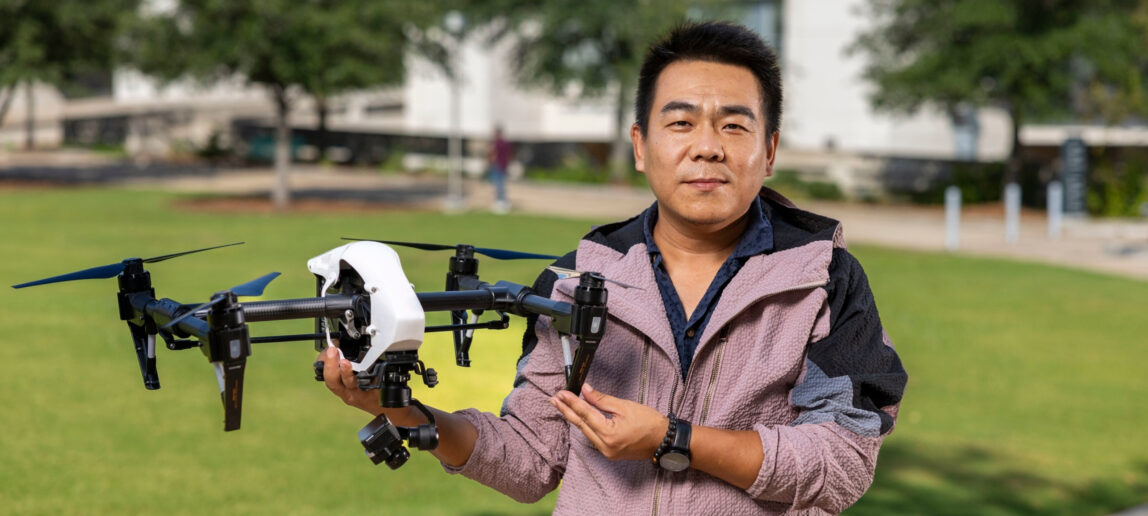
Dr. huan Ren, lead researcher on the project, shared a personal experiance highlighting the severity of the issue. A simple five-minute walk to a pharmacy turned into a 30-minute ordeal due to a lack of shade and safe crossing points, ultimately resulting in heat stroke. This underscores the daily challenges faced by many houstonians.
A Path Forward: Green Infrastructure as a Solution
The good news is that solutions exist. Dr. Ren emphasizes that even small-scale interventions can make a significant difference.
* Prioritize Green Space: Investing in trees and green infrastructure in low-income communities is crucial. This not only reduces heat risk but also encourages healthier, more active lifestyles.
* Repurpose Vacant Lots: Vacant lots can be transformed into climate adaptation tools. Consider redeveloping them as green infrastructure gardens or shaded areas.
* Strategic urban Planning: City leaders and planners should prioritize cooling strategies for the hottest, most vulnerable neighborhoods.
These aren’t just theoretical ideas. They’re practical steps that can improve the quality of life for countless residents.
Expanding the Research & Looking Ahead
Dr. Ren’s work doesn’t stop here. He plans to combine his heat data with CDC health records to understand the direct correlation between heat exposure and illness. This research, co-authored with doctoral student Jiang Zheng from the Texas A&M Department of Urban and Regional Sciences, will provide a more comprehensive understanding of the public health impact.
The lessons learned in Houston are also relevant to other cities. As one of the fastest-growing metropolitan areas in the U.S., Houston’s experience offers valuable insights. However, Dr. ren points out that the problem may be even more acute in shrinking cities, where a higher proportion of vacant lots could exacerbate the issue.
Ultimately, addressing the hidden heat in our cities requires a proactive, data-driven approach. By prioritizing green infrastructure and strategic urban planning, we can create
Keep reading