Qatar GP Chaos: Analyzing the Frist-Lap Collision and Driver Reactions
The Qatar Grand Prix witnessed a dramatic start, culminating in a first-lap collision that eliminated several cars and prompted strong reactions from those involved. This article breaks down the incident, the key perspectives, and the underlying issues that contributed to the chaos. You’ll find a detailed analysis of what happened, who said what, and what it all means for the race weekend.
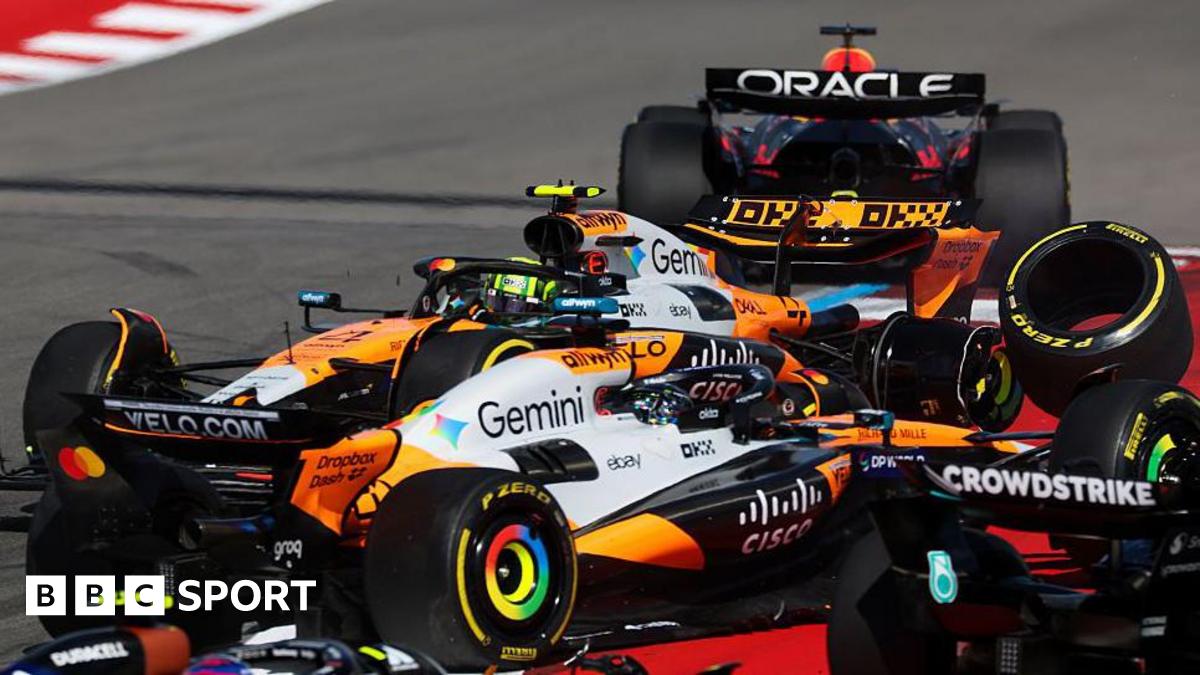
The Incident: A Chain Reaction in Turn One
A multi-car incident unfolded in the opening moments at Turn One, triggered by a bold move from McLaren’s Oscar Piastri. Initially, Piastri had a strong start and challenged Lando Norris on the outside. Though, he then attempted an aspiring cutback to the inside, aiming for the apex.
Sadly, this maneuver resulted in contact with Nico Hulkenberg, subsequently impacting Lando Norris and causing significant damage to multiple cars. The race was red-flagged instantly, bringing a premature end to the opening lap for several drivers.
Key Perspectives from the Drivers
following the incident, drivers offered their immediate reactions, painting a complex picture of blame and circumstance. Here’s a breakdown of what each key player had to say:
* Andrea Stella (McLaren Team Principal): He expressed disappointment at the lack of racing and criticized the prudence of some experienced drivers. Stella specifically alluded to both Hulkenberg and Fernando Alonso.
* oscar Piastri (McLaren): Piastri admitted the incident wasn’t ideal and stated he hadn’t fully seen what happened. He explained he tried to cut back on Norris, but they were both far from the apex when contact occurred.
* Lando Norris (McLaren): Norris felt he was an innocent party, stating he “did nothing wrong” and was simply unlucky to be hit.He believes the incident stemmed from carelessness further back in the pack.
* Fernando Alonso (Aston Martin): Alonso described a chaotic situation, noting he felt positioned correctly on the inside before other cars made aggressive moves from the outside.
* Nico Hulkenberg (Haas): hulkenberg voiced significant frustration, lamenting the loss of a strong qualifying position. He stated Piastri turned in aggressively, leaving him with no room to react while also accounting for Alonso’s presence.
Expert Analysis: Was Piastri at Fault?
Former World Champion Damon Hill offered a contrasting viewpoint, suggesting Piastri lacked awareness of the risks inherent in the first corner of a Formula 1 race. Hill argued Piastri’s aggressive inside move was ill-advised, given the crowded conditions.
This raises a crucial point: while ambition is commendable, awareness of your surroundings and the potential consequences of your actions are paramount, especially on the first lap.
Underlying Issues and Lessons Learned
Several factors contributed to the incident, highlighting recurring challenges in Formula 1 racing.
* Aggressive First-Lap Tactics: The Qatar Grand Prix incident underscores the inherent risk of aggressive overtaking maneuvers on the opening lap. Drivers often attempt to gain positions quickly, leading to crowded conditions and increased potential for contact.
* The Importance of Spatial Awareness: Drivers must maintain a keen awareness of the cars around them, anticipating potential moves and leaving sufficient space. this is particularly critical in the first corner, where the field is tightly packed.
* Red Flag Procedures: The swift red flag deployment was appropriate, allowing marshals to safely clear the debris and assess the damage. This demonstrates the importance of robust safety protocols in Formula 1.
Looking Ahead
The incident serves as a stark reminder of the inherent dangers of motorsport. While drivers push the limits of performance, maintaining a balance between aggression and prudence is essential. You can expect teams to review the incident thoroughly, emphasizing the importance of spatial awareness and responsible racing to their drivers.
Ultimately, the Qatar Grand Prix’s chaotic start highlights the unpredictable nature of Formula 1 and the constant need for drivers to adapt and react in split-second decisions.
Related reading