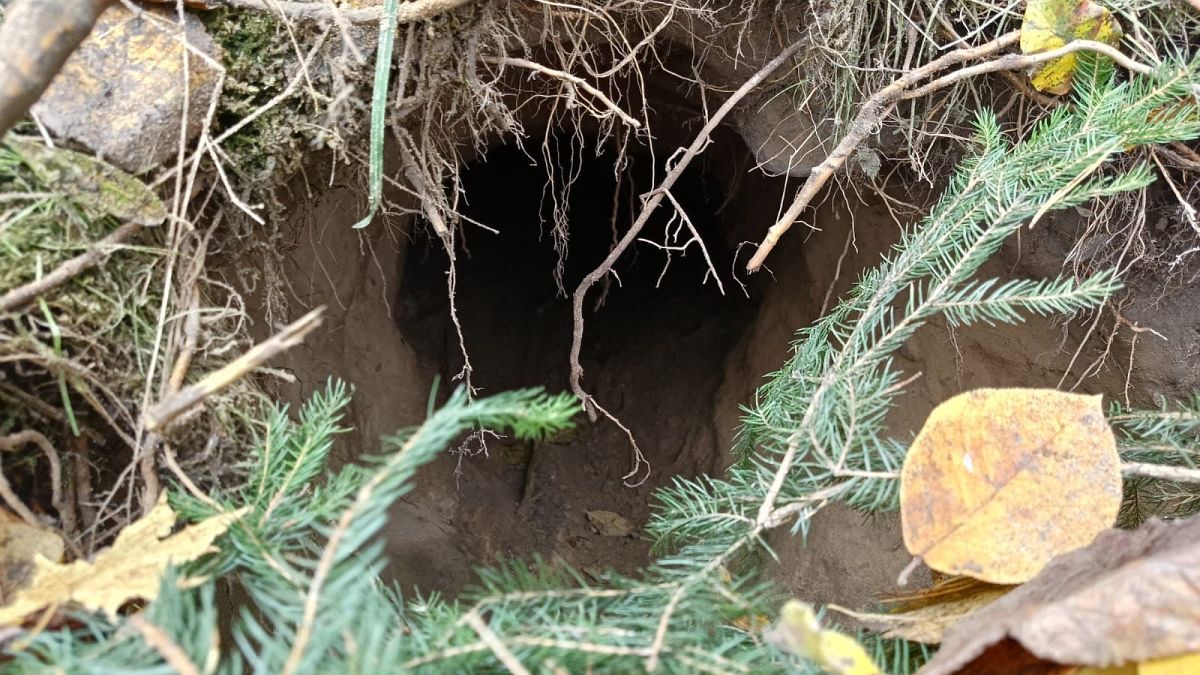
Rising Tensions at Europe’s Borders: Smuggling Tunnels and the escalating Migration Challenge
Published: February 21, 2025 – 4:07 PM GMT+2 | Updated: February 21, 2025 – 4:58 PM GMT+2
The challenge of managing migration into Europe is intensifying, evidenced by a surge in sophisticated smuggling attempts. Recent discoveries of cross-border tunnels highlight a growing trend and escalating tensions between nations. This article delves into the latest developments, examining the situation on the Poland-Belarus border, mirroring issues in Hungary, and the broader European response.
Poland and Belarus: A Second Tunnel Raises Concerns
Polish authorities recently uncovered a second tunnel this year connecting Belarus to Poland.Interior Minister Marcin Kierwiński announced the discovery on Friday, sparking immediate scrutiny. While the investigation is ongoing, Warsaw has accused Belarus of facilitating illegal crossings.
The question remains: who constructed the tunnel and when? This discovery comes amidst a backdrop of accusations leveled against Belarusian President Aliaksandr Lukashenka. As 2021, lukashenka’s government has eased visa requirements for citizens of third-world countries, effectively creating a pathway to the EU via Belarus and, subsequently, Poland.
Though, Polish border guards and armed forces have consistently pushed back these migrants, leaving many stranded in a precarious situation between the two countries. Lukashenka vehemently denies these allegations, claiming Belarus is being unfairly blamed for the migration crisis. He argues that sanctions imposed on Belarus have led to a cessation of cooperation in combating illegal migration.
“We will not protect you as we did before,” Lukashenka stated, referring to previous assistance in intercepting migrants at the border.
Poland has responded proactively, completing a $136.6 million electric border fence along its entire border with Belarus. This advanced system utilizes artificial intelligence to detect even the smallest signs of intrusion.
Hungary’s Experience: A Pattern of Underground Activity
Poland isn’t alone in facing this challenge. Hungary has been grappling with similar issues for years. In June 2020,Hungarian police discovered a 24-meter tunnel near Morahal,along the Serbian border.
This wasn’t an isolated incident. It was the third tunnel discovered in that region within a single year. Here’s a timeline of tunnel discoveries in Hungary:
* 2020: 24-meter tunnel near Morahal.
* 2019: 34-meter tunnel near Asotthalom (44 migrants and 1 smuggler arrested).
* 2019: 21.7-meter tunnel near Csikeria.
These discoveries prompted Hungarian President Victor Orbán to advocate for stricter laws to curb illegal migration. In 2015, during the peak of the migration crisis, Hungary erected barbed wire fences along its southern borders to control the influx of peopel attempting to reach Western Europe.
A Continent Responds: Stricter Measures Across Europe
The situation isn’t limited to Eastern Europe. Across the continent,governments are reassessing their approaches to migration.Germany, such as, is considering a multi-pronged strategy:
* Increased border controls: Strengthening security at entry points.
* Deportation centers in third countries: establishing facilities outside of Europe to process deportations.
* Secondary centers domestically: Expanding capacity within Germany to manage asylum claims and deportations.
Federal Interior Minister Alexander Dobrindt recently discussed these proposals with colleagues in Munich.
These developments underscore a growing consensus: the current approach to managing migration requires notable adjustments.
What This means for You
As a concerned citizen, understanding these trends is crucial. The rise in sophisticated smuggling methods, like tunnels, demonstrates the lengths people will go to seek a better life. It also highlights the challenges faced by border security agencies and the need for international cooperation.
The situation is complex, with no easy solutions. However, by staying informed and engaging in constructive dialog, you can contribute to a more nuanced understanding of this critical issue.
Sources:
* TASS (Russian State news Agency) – Referenced throughout for quotes and financial data.
* Radio Television Serbia (RTS) - Referenced for Hungarian tunnel discoveries.
Disclaimer: *This article provides information based on publicly
Worth a look