Ukraine Conflict Update: Zelensky’s Plea, Escalating Attacks, and the Shifting Geopolitical Landscape
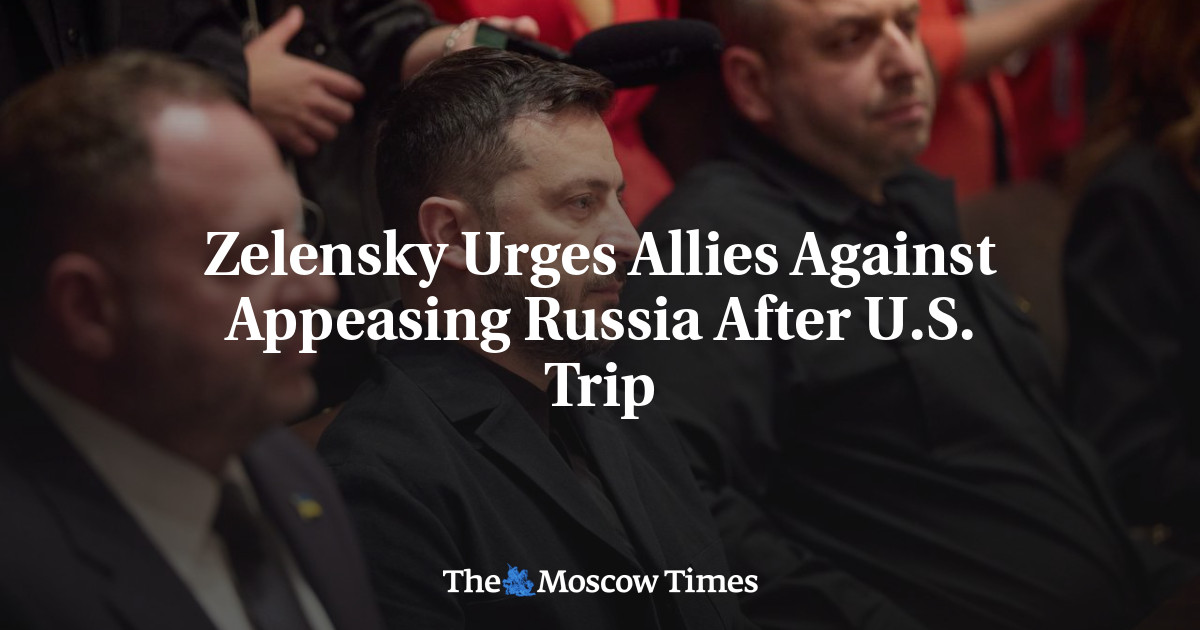
The situation in Ukraine remains critically volatile as winter approaches, marked by intensified fighting, escalating attacks on civilian infrastructure, and a complex diplomatic backdrop. Ukrainian President Volodymyr Zelensky recently returned from a US visit without securing crucial long-range weaponry, prompting a strong message to allies against appeasement. this article provides a comprehensive update, analyzing the current state of the conflict, the implications of shifting international dynamics, and what these developments mean for the future.
Zelensky’s US Visit and the Search for Support
President Zelensky’s trip to Washington aimed to secure vital military aid, specifically Tomahawk cruise missiles, to bolster Ukraine’s defense capabilities. Despite weeks of appeals and leveraging perceived frustration from US President Donald Trump regarding Russian actions, the visit concluded without this key commitment.
Zelensky has been clear: Ukraine will not negotiate with terrorists and expects its partners to maintain the same firm stance. He’s calling for “decisive steps” from both European and American allies, advocating for a renewed focus within the “coalition of the willing.” This underscores the growing pressure on international partners to provide sustained and robust support.
Hear’s a breakdown of the key takeaways from Zelensky’s plea:
* No Appeasement: Ukraine firmly rejects any concessions to Russia that reward aggression.
* Urgent Aid Needed: The request for long-range missiles remains critical for defensive operations.
* Coalition Reinforcement: A revitalized, coordinated effort from allies is paramount.
Escalating Attacks and Civilian Impact
While diplomatic efforts unfold, the intensity of fighting on the ground continues to rise. Moscow has significantly increased its attacks on Ukrainian civilian infrastructure in recent weeks, deliberately targeting essential services as winter looms.
The scale of these attacks is alarming. Zelensky reported this week alone saw over 3,270 attack drones, 1,370 guided aerial bombs, and nearly 50 missiles deployed against Ukraine. These strikes are leaving thousands without heating and power, exacerbating the humanitarian crisis. Sadly,recent reports indicate at least two deaths and over a dozen injuries across eastern Ukraine on Sunday alone.
Understanding the impact:
* Targeted Infrastructure: Attacks are focused on energy grids, heating systems, and other vital civilian resources.
* Humanitarian Crisis: The loss of essential services creates a dire situation for vulnerable populations.
* Winter Vulnerability: The timing of these attacks maximizes the hardship faced by ukrainians during the coldest months.
Ukraine’s Response: Strikes on Russian Soil
Ukraine is not passively absorbing these attacks. Kyiv has intensified its strikes on Russian border regions and, crucially, on Russia’s oil and gas facilities. This represents a notable escalation in Ukraine’s strategy, aiming to disrupt Russia’s war effort and demonstrate its ability to strike back.
A recent drone strike successfully forced a Gazprom gas plant in Russia’s Orenburg region to halt gas refining from Kazakhstan. This is particularly noteworthy as Western energy giants – Shell, Eni, and Chevron – hold majority stakes in the Karachaganak field, the source of much of the gas processed at the plant.
Why these strikes matter:
* Disrupting Supply: Targeting energy infrastructure aims to weaken Russia’s economic capacity to fund the war.
* Demonstrating Capability: Ukraine is showcasing its ability to reach strategic targets within Russia.
* Escalation Risk: These strikes carry the risk of further escalation from Moscow.
Battlefield Developments and Claims
On the ground, the conflict remains a brutal war of attrition. The Russian army claims to have captured two villages in the Donetsk and Zaporizhzhia regions, but these gains are reportedly being made at a significant cost, characterized by slow, meter-by-meter advances.
Both sides report intercepting numerous drones launched against each other overnight, highlighting the increasing reliance on drone warfare. The situation remains fluid, with neither side achieving a decisive breakthrough.
Key battlefield observations:
* Attrition Warfare: The conflict is largely defined by slow, costly advances and heavy casualties.
* Drone Warfare: Drones are playing an increasingly prominent role in reconnaissance, attack, and defense.
* Limited Gains: Territorial changes are incremental and hard-fought.
Shifting geopolitical Dynamics and the Role of Diplomacy
The lack of a commitment on