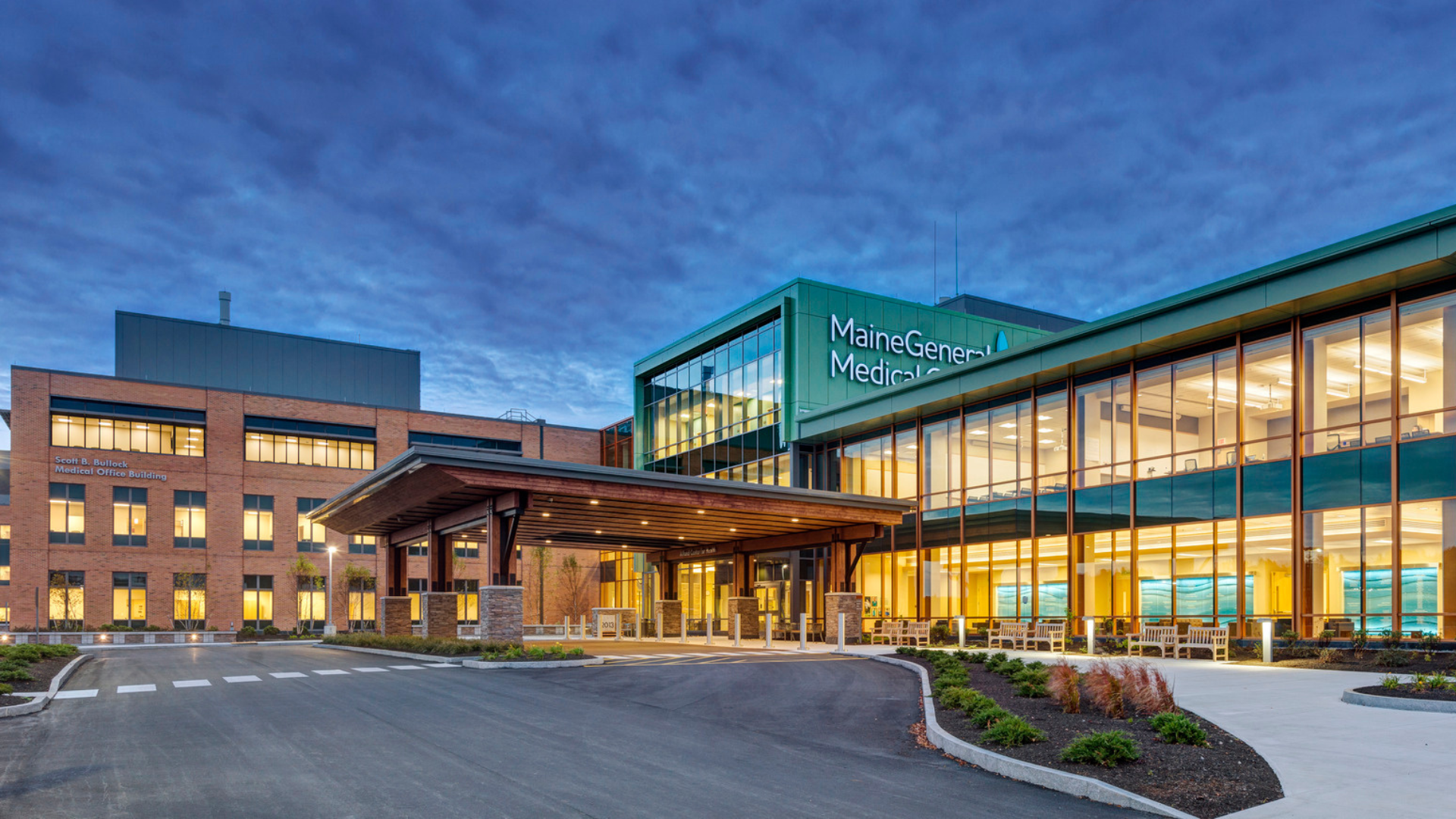
SMRT Architects & Engineers has named Principal Rebecca Casey, AIA, as the new Director of its Health & Wellness Practice, shifting the firm’s architectural scope beyond conventional clinical environments to focus on holistic, community-wide health and well-being. According to company announcements, the leadership transition comes as the architectural sector experiences a rapidly growing demand for built environments that address wellness across entire communities rather than simply treating acute medical conditions. Casey steps into the role with more than two decades of dedicated healthcare architecture experience across the Northeast.
Operating across complex acute care, ambulatory facilities, behavioral health centers, and specialized environments for aging, Casey has spent her career examining how spatial design directly affects patient outcomes, staff retention, and community wellness. As the head of a multidisciplinary team composed of architects, engineers, and planners, she will focus heavily on emerging market needs, including the integration of behavioral health services and the rising demand for wellness-focused community and institutional spaces. Commenting on her new position, Casey stated in a company release, “This practice has remarkable depth, built on decades of deep client partnerships and a shared belief that design has the power to heal. As we look ahead, our challenge and opportunity is to expand how we define health in the built environment. I am honored to lead this incredibly talented team as we continue to design spaces that support caregivers, comfort families, and promote healthier communities.”
Redefining Healthcare Architecture Through Upstream Wellness
The decision by SMRT to rename its specialized sector from “Healthcare” to “Health & Wellness” signals a broader industry evolution toward population health and getting further upstream in care delivery. Over the past decade to fifteen years, the widespread adoption of the Social Determinants of Health framework has deepened the design community’s understanding of how non-medical factors contribute to overall well-being. Casey notes that this shift requires applying a values-based, evidence-supported design process across the full continuum of care, encompassing providers, staff, and families alongside patients.
To translate these principles into concrete architectural decisions, Casey relies heavily on research-backed frameworks, notably the WELL Building Standard, for which she serves as a WELL AP and WELL Faculty member. Rather than treating design choices as aesthetic preferences, standard parameters implemented across nearly every project include daylighting paired with glare control or circadian-supporting simulated lighting, biophilic design elements that incorporate nature and artwork, and spatial choice that allows occupants to self-manage personal comfort. Additional priorities focus on indoor air quality and advanced thermal comfort managed through specialized HVAC systems and material selections.
Integrating Behavioral Health and De-Escalation Strategies
Embedding behavioral health services effectively into general hospitals, outpatient clinics, and community spaces requires addressing flexibility, de-escalation, and community-based access. According to Casey, outpatient behavioral health integration continues to evolve as primary care clinic pods incorporate dedicated spaces for social workers and behavioral health staff that can adapt to changing care models. In emergency settings, recent Emergency Department expansions and renovations have prioritized dedicated de-escalation spaces, such as buffered alcoves separated from the main ED core to accommodate neurodivergent needs and reduce patient agitation.
Community-based models have also yielded measurable results. Casey points to partnerships like the UVMH Barron Center Mental Health Urgent Care in Burlington, where an open-door model and accessible space design correlated with a near-immediate drop in emergency room visits. By moving care directly into community settings, health systems can alleviate acute care congestion while providing more appropriate environments for individuals experiencing mental health crises.
Combating Staff Burnout Through Workplace Evolution
Healthcare organizations across the country continue to grapple with severe workforce shortages and high rates of staff burnout. To combat this, facility design can draw valuable lessons from corporate workplace evolution, creating environments that support daily tasks while providing a distinct sense of place. Citing insights from SMRT Workplace sector leader Jeana Stewart—who is also a WELL AP—Casey emphasizes that healthcare staff require environments that make healthy choices accessible and foster peer connection. Feedback gathered during post-occupancy evaluations in upstate New York indicates that staff strongly favor light, welcoming work environments that facilitate connection and support professional well-being.
Research-based design choices also extend to physical security and interpersonal trust within clinical settings. A frequent subject of debate in behavioral health and primary care design involves installing glass barriers at registration and nursing stations. While sound privacy remains critical, evidence indicates that physical barriers can sometimes heighten patient agitation. Casey notes that project teams must conduct individualized risk assessments to determine the appropriate balance between staff safety and human dignity, aiming to foster an environment of trust wherever possible.
Looking Ahead at Measurable Health Outcomes
The long-standing critique of the American healthcare model—that it remains structured around disease, sickness, and injury intervention rather than prevention—is slowly being challenged by the growing evidence base surrounding the built environment. While the healthcare payment system has historically lagged in incentivizing population well-being, owners are increasingly placing greater emphasis on measurable outcomes related to occupant health. Moving forward, Casey advocates for design that removes everyday frustrations, starting with intuitive wayfinding from the moment an individual walks through the door.
As SMRT continues its work under Casey’s leadership, the firm’s upcoming project developments and post-occupancy evaluations will offer further insight into how evidence-based design principles reshape clinical and community wellness spaces. Readers and industry professionals can follow future announcements and project profiles through official architectural and healthcare design bulletins.
What are your thoughts on how modern wellness architecture can better support both patients and medical staff? We invite you to share your perspective in the comments below.
Related reading