US and Australia Forge Critical Minerals Partnership to Challenge China’s Dominance
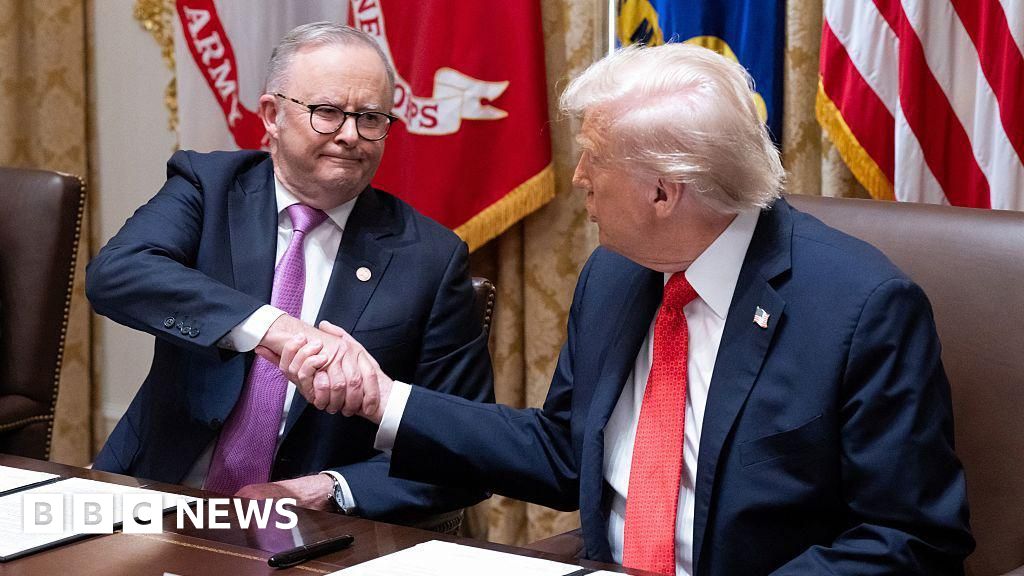
(Washington D.C.) - In a meaningful move to bolster supply chain security and counter China’s stronghold on the critical minerals market,the United States and Australia have formalized a landmark agreement. The deal, signed October 20, 2025, at the White House, aims to dramatically increase the mining, processing, and availability of rare earth elements and other vital materials.This partnership represents a crucial step in diversifying sources and reducing reliance on a single nation for these essential components.
Why This Matters: The Global Critical Minerals Landscape
For years,China has maintained a dominant position,controlling roughly 70% of rare earths mining and a staggering 90% of their processing. These minerals are indispensable in a vast array of modern technologies – from defense systems and electric vehicles to smartphones and computer chips. This concentration of control creates vulnerabilities for the US and its allies, particularly as geopolitical tensions rise. Recent Chinese restrictions on access to these materials, in response to US tariffs and trade disputes, have underscored the urgency of finding choice sources.
The New Agreement: A Deep Dive
The agreement between the US and Australia isn’t just a symbolic gesture.It’s a concrete plan backed by substantial investment and a commitment to long-term collaboration. Here’s a breakdown of the key components:
* $8.5 Billion Project Pipeline: The deal supports a “ready-to-go” pipeline of projects in Australia,designed to expand mining and processing capabilities.
* $1 Billion Initial Investment: Both countries will contribute $1 billion over the next six months to fund projects in both the US and Australia.
* Focus on Three project Types: The agreement prioritizes investments in:
* US companies investing in Australian processing facilities.
* Australian companies investing in US processing facilities.
* Joint ventures focused on securing the entire supply chain.
* Harmonizing Regulations: The US and Australia will collaborate on crucial issues like pricing mechanisms, streamlined permitting processes, and national security reviews of transactions within the sector.
* Specific US Investments: The US announced plans to build a 100-tonnes-per-year advanced gallium refinery in Western Australia. Additionally, the Export-Import Bank is preparing to offer $2.2 billion in financing for critical minerals projects.
Beyond Investment: A Strategic Shift
This agreement builds upon existing collaboration dating back to the Trump management’s first term, but Albanese emphasized this latest iteration elevates the partnership to a “next level.” It signifies a strategic shift towards building resilient and diversified supply chains.
The US is already demonstrating its commitment through investments in companies like MP Materials,Trilogy Metals,and Lithium americas – frequently enough in exchange for ownership stakes.This proactive approach signals a willingness to take a direct role in securing access to these vital resources. Shares in Australian companies like Lynas Rare Earths, already a US Defense Department contractor with a project in Texas, experienced a surge following the announcement, reflecting market confidence in the agreement’s potential.
Addressing the Challenges: Australia’s Role and Remaining Hurdles
Australia is a significant source of critical minerals,but it currently relies heavily on China for processing. This creates a parallel dependency that the agreement aims to address. The framework acknowledges this complexity, recognizing the need for investment in domestic processing capabilities within Australia.
The White House framework, while comprehensive, remains somewhat light on specific details. This reflects the sensitive nature of the negotiations and the intricate challenges involved in reshaping global supply chains. Successfully navigating these challenges will require ongoing collaboration, strategic investment, and a commitment to building a more secure and diversified future for critical minerals.
What This Means for You
If you’re involved in industries reliant on rare earth elements – from technology and manufacturing to defense and energy – this agreement is a positive advancement. It signals a growing commitment to securing stable and reliable access to the materials your businesses need to thrive. Expect to see increased investment,innovation,and competition in the critical minerals sector in the coming years. This partnership is not just about geopolitics; it’s about ensuring a more resilient and sustainable future for the technologies that power our world.
Disclaimer: This article provides facts based on publicly available sources as of October 26, 2025. Market conditions and geopolitical factors are subject to change.
Keep reading