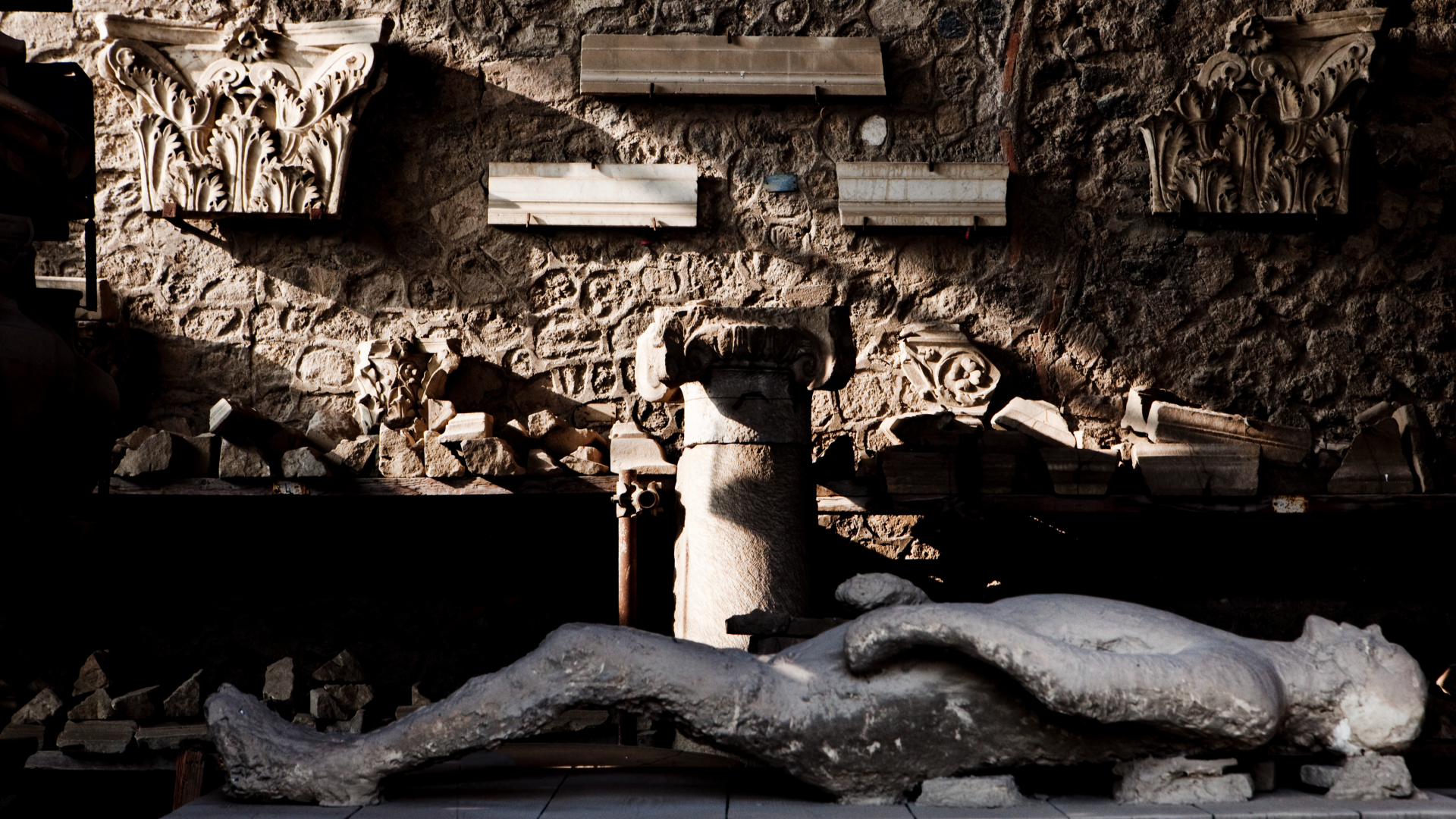
Beyond the Ashes: Uncovering the Resilience of pompeii’s Survivors
Mount Vesuvius’s eruption in 79 AD famously froze Pompeii and Herculaneum in time, offering an unparalleled glimpse into Roman life. However, recent research is shifting focus from the moment of destruction too the remarkable stories of those who lived through it – and rebuilt their lives afterward. This article delves into this evolving understanding, exploring ongoing investigations and the surprising cultural shifts sparked by this ancient disaster.
(image credit: Getty Images)
The Next Chapter: Rome and Statistical Analysis
For archaeologist Dr. Steven Tuck, a crucial next step involves a deep dive into rome itself. He notes that while most survivors remained within 25 miles of the disaster zone, establishing new communities on the periphery, its highly probable some sought refuge in the empire’s bustling capital.
Analyzing this possibility presents a critically important challenge. rome’s sheer size demands a different approach – one that will likely incorporate statistical analysis to identify potential survivors amidst the city’s vast population.
A Surge in Religious Expression: The Cult of Isis
Interestingly, the post-eruption period witnessed a curious phenomenon: a sudden increase in the construction of temples dedicated to Isis. A temple to Isis was even built at Ostia, directly commissioned by a refugee from Pompeii.
This raises a compelling question: were survivors actively spreading their religious beliefs as they resettled? This isn’t a new pattern. You see similar cultural exports in modern refugee communities. Consider the Bosnian Muslims who settled in Bowling Green, Kentucky, bringing with them their faith, cuisine, and traditions.dr. Tuck is investigating whether the survivors of Vesuvius similarly acted as catalysts for cultural change.
Stories of Compassion: Avianus Felicio and the Masuri family
While much research focuses on merchants due to their readily traceable impact, the stories of ordinary people are equally vital. Dr. Tuck highlighted the case of Avianus Felicio, an orphan taken in by the Masuri family - a desperately poor family from Pompeii.
This act of kindness demonstrates a powerful truth: even in the face of unimaginable loss, people banded together to support one another. It’s a hopeful narrative, reminding us of the enduring human capacity for compassion during times of crisis.
Why This Matters: understanding Resilience and Cultural Exchange
Thes findings offer more than just historical detail. They provide valuable insights into human resilience, the dynamics of cultural exchange, and the long-term consequences of displacement. by understanding how people rebuilt their lives after Vesuvius, you can gain a deeper gratitude for the challenges and triumphs faced by refugee communities throughout history – and today.
This research underscores that disaster doesn’t simply end with the event itself. It initiates a complex process of adaptation, rebuilding, and cultural change. And it’s a story worth telling.
Test Your knowledge:
Pompeii quiz: How much do you know about the Roman town destroyed by Mount Vesuvius?
Worth a look