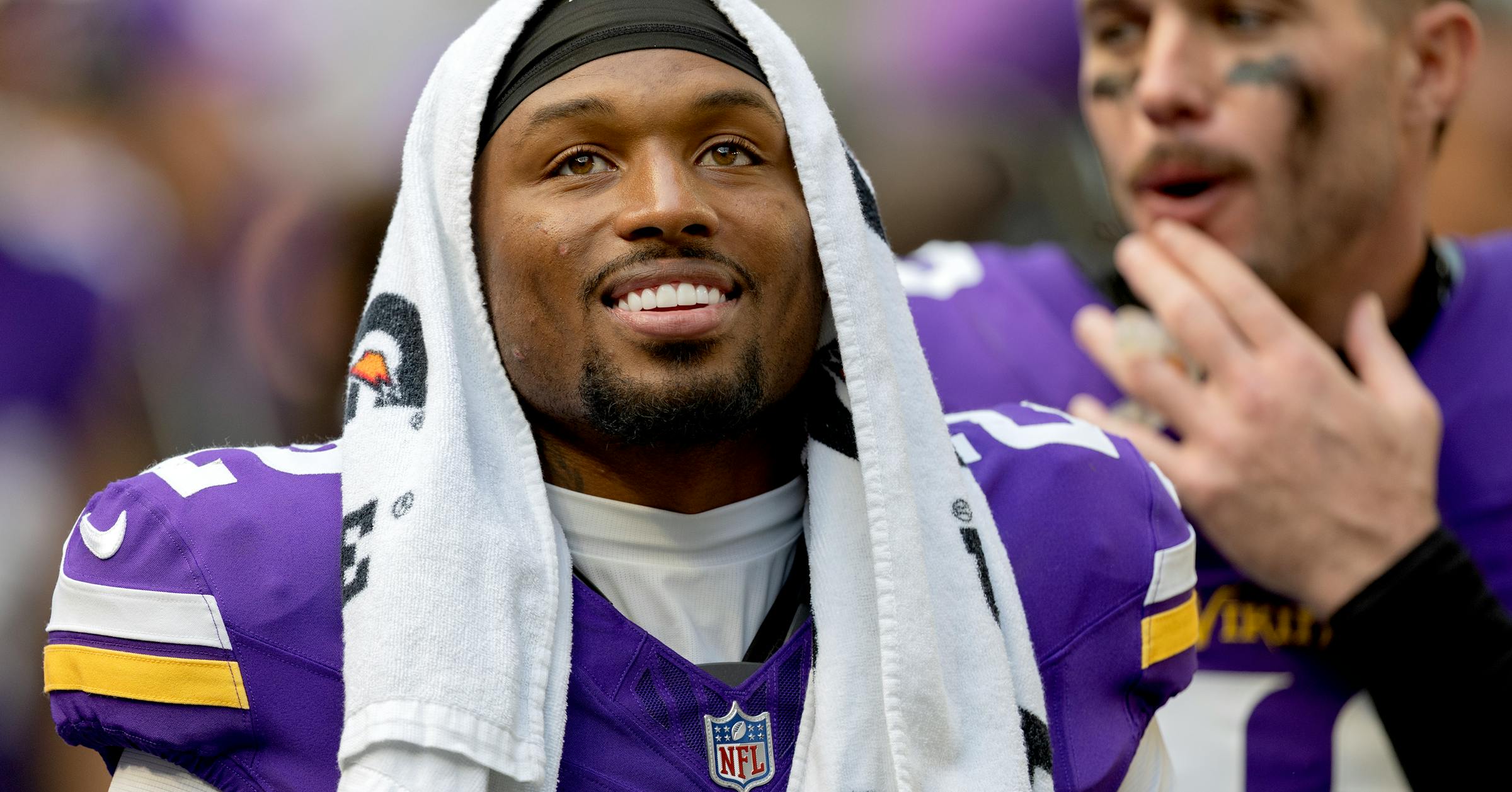
Confronting Racism in the NFL: The Isaiah Rodgers Incident and the Fight for Inclusive Sports
The NFL, a league celebrated for athleticism and competition, recently faced a stark reminder of the persistent issue of racism. Indianapolis Colts cornerback Isaiah Rodgers became the target of a vile racial attack following a game, exposing the ugly underbelly of fan behaviour and sparking a crucial conversation about inclusivity and accountability within professional sports. This incident isn’t isolated; it’s part of a larger pattern demanding immediate and sustained attention. Understanding the context of racial abuse in sports, the NFL’s response, and the broader implications for athletes and fans is paramount.
Recent data from the Institute for Diversity and Ethics in Sport (TIDES) reveals that while the NFL boasts a diverse player base (approximately 70% players of color as of 2023), representation in coaching and leadership positions remains significantly lower. This disparity can contribute to a feeling of vulnerability among players facing discrimination. The incident involving Rodgers underscores the need for proactive measures to combat prejudice at all levels of the game.
The details of the Attack and the Vikings’ Response
Screenshots shared on Rodgers’ Instagram account revealed a direct message containing a barrage of racial slurs and hateful comparisons, including being likened to Hitler. The severity of the attack is deeply disturbing and highlights the unchecked toxicity that can fester online. The Minnesota Vikings, the opposing team in the game where the abuse originated, swiftly condemned the behavior.
Their statement, released on Monday, unequivocally denounced the racial slurs, stating, “We are disgusted by the racial slurs directed at Isaiah Rodgers…there simply is no room for racist words or actions in sports or society.” This public condemnation is a crucial first step, but it must be followed by concrete actions to identify and hold the perpetrator accountable.the Vikings’ response aligns with the NFL’s stated commitment to diversity and inclusion, but the question remains: is it enough?
Beyond the Statement: What Actionable Steps Can Be Taken?
While condemning the abuse is essential, a truly effective response requires a multi-faceted approach. here are some actionable steps the NFL, teams, and fans can take:
* Enhanced Security & Reporting Mechanisms: The NFL should invest in more robust security measures at games and online platforms to identify and address abusive behavior.streamlined reporting mechanisms, with clear consequences for perpetrators, are vital. Consider utilizing AI-powered tools to detect hate speech in real-time.
* Fan Education Programs: Implementing comprehensive fan education programs that promote respect, diversity, and inclusion can definitely help foster a more positive and welcoming environment.These programs should address the harmful impact of racism and encourage bystander intervention.
* Increased Diversity in Leadership: Actively working to increase diversity in coaching, management, and ownership positions within the NFL can create a more inclusive culture and provide players of color with greater representation and support.
* Stronger League Penalties: The NFL needs to consider implementing harsher penalties for fans found guilty of engaging in racist behavior, perhaps including lifetime bans from attending games and purchasing merchandise.
* Athlete Support Resources: Providing athletes with access to mental health resources and support networks is crucial, especially in the wake of experiencing racial abuse.
According to a 2024 study by the Sports Business Journal, 68% of NFL players believe the league needs to do more to address racism and discrimination. This statistic underscores the urgency of the situation and the need for meaningful change.
Addressing Player Health & Performance Amidst Adversity
Isaiah Rodgers, demonstrating remarkable resilience, publicly stated, “I just got to make those plays.” This response, while admirable, highlights the immense pressure athletes face to perform even when dealing with deeply personal and traumatic experiences. The incident raises concerns about the impact of emotional distress on player performance and well-being.
The Vikings also had injury concerns with quarterbacks Carson Wentz and J.J. McCarthy listed as limited participants in practice. While seemingly unrelated, these situations underscore the broader challenges teams face in managing player health – both physical and mental - during a demanding season. Prioritizing athlete well-being is not just a moral imperative; it’s essential for maintaining a competitive