Escalating Tensions in the Caribbean: U.S. Drug interdiction Strategy and the Future of Venezuela
The Trump administration is dramatically escalating its approach to combating drug trafficking in the Caribbean, employing a strategy that is sparking international controversy and raising serious questions about the use of military force. This assertive policy, centered on direct intervention against suspected drug operations, is not only straining relations with key regional partners like Colombia but also fueling speculation about a broader, more ambitious geopolitical objective: regime change in Venezuela.
Direct Action and Diplomatic Fallout
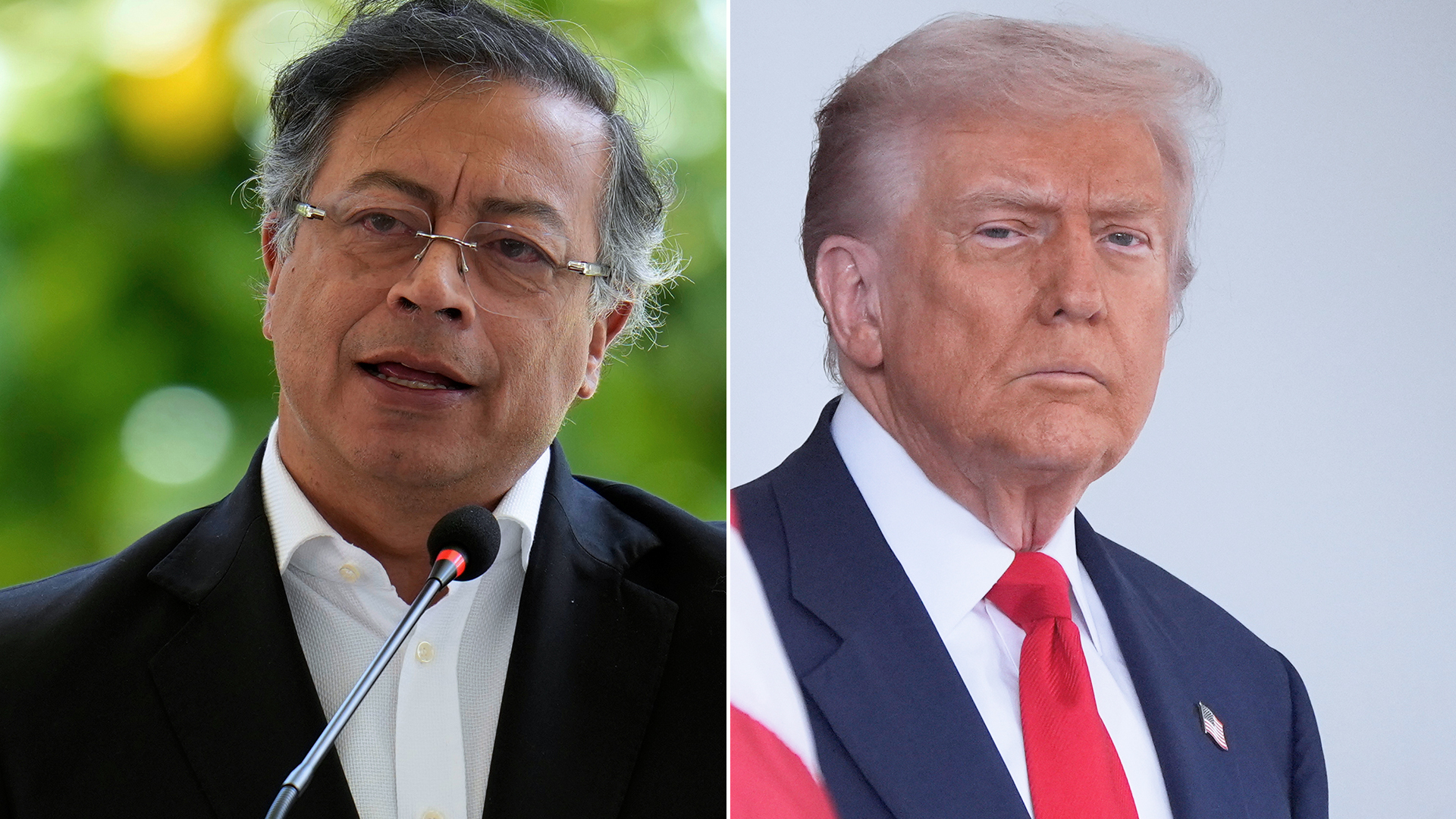
Recent weeks have witnessed a significant increase in U.S. military activity in the Caribbean Sea. Seven confirmed strikes against vessels allegedly involved in drug trafficking have resulted in 32 deaths, a figure that has drawn sharp criticism from both sides of the political spectrum. President Trump, though, remains resolute, publicly accusing countries like Colombia of failing to adequately address the drug problem. “They make drugs. they refine drugs.They make cocaine. They have cocaine factories. They have no fight against drugs,” he stated, a declaration that prompted a strong rebuke from the Colombian Foreign Ministry, labeling the comments a “direct threat to national sovereignty.”
The administration, through figures like Defense Secretary Pete Hegseth (via X, formerly Twitter), justifies these actions by linking targeted vessels to Colombian terrorist organizations and significant narcotics shipments. This justification, however, is being challenged by lawmakers like Senator Rand Paul (R-KY), who expressed concern over the lack of due process. “All of these people have been blown up without us knowing their name,without any evidence of a crime,” he remarked on NBC’s meet the Press.
A Shift in Doctrine: From Counter-Narcotics to Direct Intervention?
The U.S. has historically engaged in counter-narcotics operations, often working in collaboration with partner nations. This current approach, however, represents a significant departure, prioritizing direct military intervention with limited transparency. experts like Daniel Di Martino, a fellow at the Manhattan Institute and founder of the Dissident Project, defend the administration’s actions, arguing they align with established U.S. policy regarding the use of force against active criminal threats. “The U.S. routinely conducts military strikes to kill terrorists in foreign countries… When somebody is committing an active crime that kills individuals, it is allowed and routine for the U.S.military to use force against them,” he explained.
Though, the application of this doctrine to suspected drug traffickers operating in international waters remains contentious, notably given the potential for civilian casualties and the lack of established legal frameworks for such operations.
Military Buildup and Venezuelan Focus
Accompanying the increased strikes is a substantial military buildup in the Caribbean. The U.S. has deployed ships, fighter jets, and over 4,500 Marines and sailors to the region. the recent reopening of naval Station Roosevelt roads in Puerto Rico further underscores this commitment. Furthermore, the administration has released images of military demonstrations off the coast of Venezuela, framing these as “training missions.”
This focus on Venezuela is central to understanding the administration’s broader strategy. Di Martino argues that the Maduro regime is inextricably linked to the Venezuelan drug trafficking network.”We either keep boats and military strikes on the caribbean perpetually-or stop the Maduro cartel once and for all,” he asserts. “it’s not only about drugs, it’s about illegal immigration, crime, Russia, and China.”
The administration has consistently refused to recognise Nicolás Maduro as the legitimate president of Venezuela, instead viewing him as the head of a criminal enterprise. This stance was reinforced in August with the offering of a $50 million reward for information leading to his arrest.
Potential Consequences and Future Outlook
The current strategy carries significant risks. The escalating tensions with Colombia could undermine regional cooperation on counter-narcotics efforts. The aggressive military posture could further destabilize the already volatile political situation in Venezuela, possibly triggering a humanitarian crisis or even a wider conflict.
While the administration hopes the increased pressure will disrupt drug trafficking routes – potentially diverting them through Panama, which the U.S. believes is more easily controlled – the long-term effectiveness of this approach remains uncertain. Di Martino suggests a temporary reduction in drug flow is likely, but a lasting solution requires addressing the root cause: the Maduro regime.
Ultimately, the Trump administration’s Caribbean strategy represents a bold, and potentially destabilizing, gamble.Whether it will succeed in dismantling drug trafficking networks and achieving its broader geopolitical objectives remains to be seen. Though, the escalating tensions and the use of lethal force demand careful scrutiny and a thorough assessment of the potential consequences for regional stability and international law.
Key Takeaways:
* Increased Military Intervention: The U.
Related reading
- Pentagon Plans $170B Missile and Nuclear Submarine Procurement Amid Depleted Stockpiles
- Raphinha Returns to Barcelona Training After Injury
- The Senate Blue Slip, Explained: The Custom Trump Wants Gone (daybreakwire.com)
- German Government Law Aims to Stop Rising Health Insurance Contributions (archyde.com)