The Growing Isolation of Israel: A Deep dive into Boycotts and Their Impact
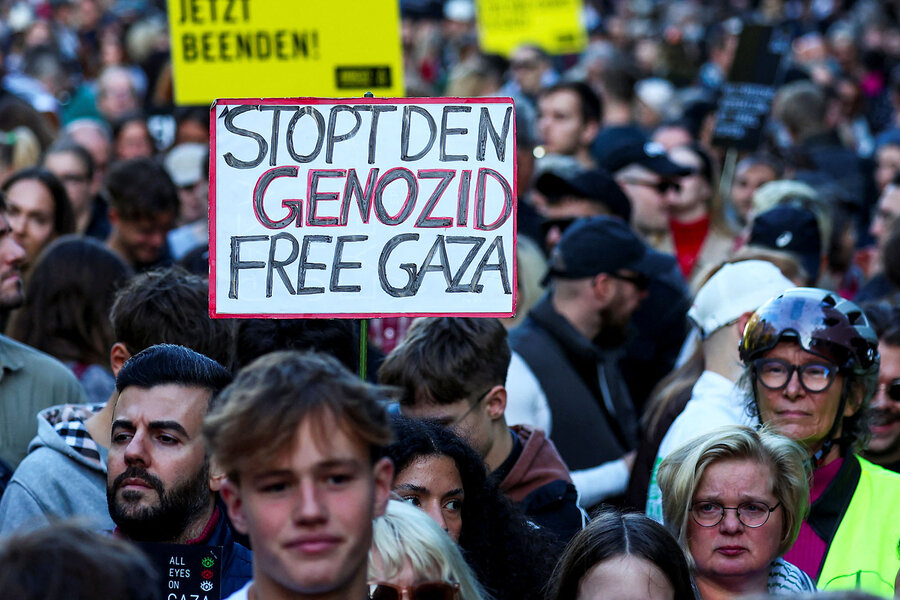
A wave of boycotts targeting Israeli institutions and individuals is gaining momentum,fueled by international concern over ongoing conflict in Gaza and West Bank. These actions span diverse sectors – from film and entertainment to sports – raising critical questions about their effectiveness, ethical implications, and potential long-term consequences for Israel. this article examines current boycotts, explores reactions within israel, and analyzes potential ramifications.
Hollywood’s Stand and Artistic Division
In September, a notable number of hollywood actors and industry professionals, including prominent figures like Emma Stone and Mark Ruffalo, publicly pledged to refrain from collaborating with Israeli film institutions. They cite concerns about these institutions being “implicated in genocide and apartheid against Palestinian people.”
This pledge sparked immediate backlash. Israel’s screenwriters guild swiftly condemned it, arguing it hinders peace efforts. Chairman Nadav Ben Simon emphasized decades of work by Israeli creatives to amplify Palestinian narratives and foster diverse perspectives through film and television.
However, not all Israeli artists oppose boycott efforts. documentary filmmaker Avigail Sperber views this pressure as a catalyst for change.She believes it can compel Israeli artists to actively seek international support in opposing government policies in Gaza and West Bank.
sperber acknowledges financial strain from dwindling international coproductions, but considers it a worthwhile sacrifice if it contributes to ending conflict. Many filmmakers already face challenges securing screenings at international festivals, with organizers wary of potential protests. Even without overt antisemitism, organizers fear complications surrounding Israeli film presentations.
Sports under Scrutiny
Concerns extend beyond arts and entertainment. The Israel Football Association (IFA) is deeply worried about potential boycotts within international sporting bodies. IFA representative, Mr. Barzel, expresses profound concern about consequences.
He argues that isolating a nation through sports is a severe act.It risks turning a country into a pariah, effectively ostracizing it from international community.
Understanding the Broader context
You might be wondering why these boycotts are happening now.escalating tensions and civilian casualties in Gaza have ignited global protests and calls for accountability. Boycotts represent one form of non-violent pressure aimed at influencing Israeli policy.
Here’s a breakdown of common boycott targets:
* Cultural institutions: Museums, theaters, and film festivals with ties to Israeli government.
* academic Institutions: Universities and research organizations involved in defense-related projects.
* Technology Companies: Firms providing technology used by Israeli military.
* Products: Goods manufactured in Israeli settlements in occupied territories.
* Sports: Calls to exclude Israeli teams from international competitions.
The Debate: Effectiveness and Ethical Considerations
Are these boycotts effective? That’s a complex question. Proponents argue they raise awareness, exert economic pressure, and contribute to a shift in international public opinion. Opponents contend they unfairly punish ordinary Israelis, stifle dialog, and may even harden positions.
You should also consider ethical implications. Some argue boycotts are a legitimate tool for advocating human rights. Others believe they are discriminatory and counterproductive,perhaps harming innocent individuals.
Looking Ahead: A Nation at a crossroads
Israel faces a growing challenge of international isolation. Whether these boycotts will lead to meaningful policy changes remains to be seen.However, it’s clear they are forcing a national conversation about Israel’s role in region and its relationship with global community.
For now,the situation remains fluid and highly charged. Continued monitoring of these developments is crucial for understanding evolving dynamics and potential future impacts.
Worth a look