The Rising Cost of GLP-1 Medications: Employer Perspectives & Coverage Strategies (October 23, 2025)
The burgeoning demand for GLP-1 receptor agonists – initially developed for type 2 diabetes, but increasingly popular for weight loss – is creating a significant ripple effect across the employer-sponsored health insurance landscape. While many large employers are now offering some level of coverage for these medications, a growing chorus of concerns regarding their significant cost is prompting a re-evaluation of benefits strategies. This article delves into the latest employer perspectives on GLP-1 coverage, exploring the challenges, emerging trends, and potential future directions as of late 2025. We’ll examine the nuances beyond simple coverage decisions, including evolving requirements and the broader implications for healthcare spending.
Understanding the GLP-1 Landscape & Employer Adoption
GLP-1 agonists, such as semaglutide (Ozempic, Wegovy) and tirzepatide (mounjaro, Zepbound), work by mimicking the effects of the naturally occurring GLP-1 hormone, leading to increased insulin secretion, reduced glucagon secretion, and slowed gastric emptying. These effects contribute to both improved blood sugar control and significant weight loss.
Initial enthusiasm for offering these drugs stemmed from a desire to address the growing prevalence of obesity and related health conditions like heart disease and diabetes. Employers recognized the potential for long-term cost savings through preventative care.However, the high price tag – often exceeding $1,000 per month per patient – quickly became a major point of contention. The 2025 KFF Employer Health Benefits Survey, coupled with in-depth interviews and focus groups with HR directors and benefits managers representing over 100 companies and 250,000+ employees (conducted throughout the summer and fall of 2025), reveals a complex and evolving situation.
Cost Concerns & Coverage Adjustments: A Deep Dive
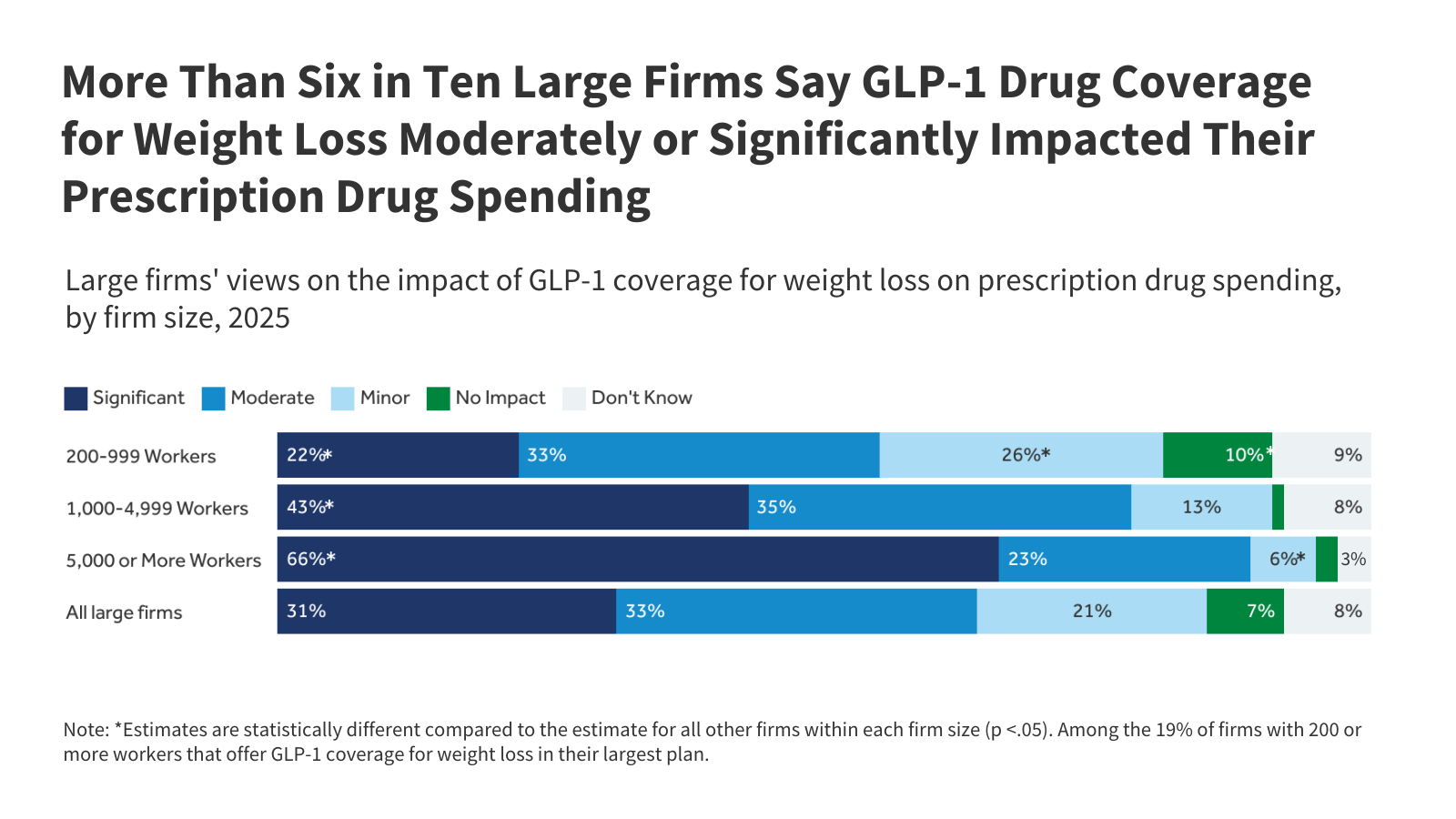
The primary driver behind the re-evaluation of GLP-1 coverage is,unsurprisingly,cost. Employers are grappling with several key financial considerations:
* Drug Cost Itself: The list price of GLP-1 medications is substantial, and even with negotiated discounts, the overall expenditure can be significant.
* Utilization Rates: Demand for these drugs is high and continues to climb, fueled by media attention and word-of-mouth success stories.This increased utilization directly impacts plan costs.
* Potential for Off-Label Use: While approved for diabetes and obesity,concerns exist about potential off-label prescribing for cosmetic weight loss,further driving up costs without necessarily yielding significant health benefits.
* Impact on Overall Premiums: Rising GLP-1 costs contribute to increased health insurance premiums for all employees, even those who don’t utilize the medications.
As a result, many employers are actively considering or implementing changes to their GLP-1 coverage policies. These adjustments fall into several categories:
* Prior authorization: Requiring pre-approval from the insurance plan before a GLP-1 medication is covered. This often involves demonstrating a diagnosis of obesity (BMI ≥ 30) or a related health condition, as well as documented attempts at lifestyle modifications (diet and exercise).
* Step Therapy: Mandating that patients first try less expensive weight loss options (e.g., lifestyle counseling, other medications) before being eligible for GLP-1 agonists.
* Tiered Formulary Placement: Placing GLP-1 medications on higher cost-sharing tiers, requiring patients to pay a larger portion of the drug cost out-of-pocket.
* coverage limitations: Limiting the duration of GLP-1 coverage or restricting it to specific patient populations.
* Benefit Design Changes: Some employers are exploring value-based benefit designs, tying GLP-1 coverage to measurable health outcomes (e.g., weight loss, improved A1c levels).
Keep reading