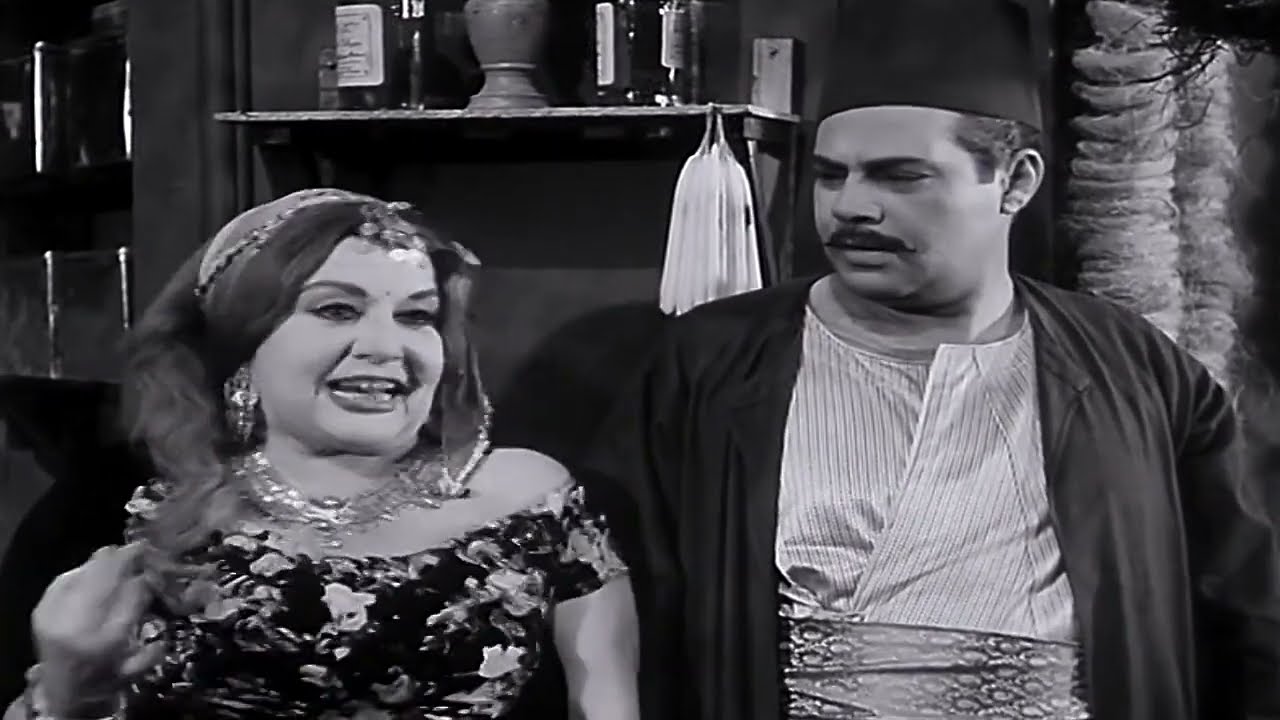
The Fading Heart of Egyptian Drama: A Call for Authentic Storytelling
For decades, Egyptian television drama held a mirror too society, reflecting the vibrant life and strong moral compass of its neighborhoods. But a growing concern among veteran screenwriters is that this authentic portrayal is disappearing, replaced by narratives that distort reality and erode cultural values. This article explores the anxieties surrounding the evolution of Egyptian drama and a passionate plea for a return to its roots.
The Loss of a Moral Compass
Many viewers remember a time when Egyptian dramas weren’t just entertainment, but lessons in decency and community. These stories showcased the solidarity, respect, and ethical conduct that once defined Egyptian society. Now,a sense of disillusionment is growing as contemporary productions increasingly depict neighborhoods as breeding grounds for bullying and vengeance,abandoning the nuanced moral codes of the past.
This shift isn’t merely aesthetic; it’s a basic change in how Egyptian identity is presented on screen. You might be wondering what caused this change.
A Disconnect Between Creator and Community
Experienced writers believe the core issue lies in a growing disconnect between creators and the communities they portray. Previously, screenwriters were deeply embedded in the lives of their characters, drawing from lived experiences to craft authentic narratives.Today, many rely solely on imagination, resulting in what some describe as a “false realism” – a superficial imitation of life that misses the mark.
Consider these key points:
* Drama should refine life, not simply replicate it.
* Authenticity stems from genuine understanding and immersion.
* A reliance on imagination alone can lead to harmful stereotypes and misrepresentations.
Ultimately, the responsibility for safeguarding the social image of Egypt rests with both the writer and the director. they are the custodians of our cultural narrative.
The Legacy of Authentic Storytelling
egyptian drama once stood as a powerful ambassador for its people, showcasing their warmth, dignity, and humanity. It instilled values of respect, family, and community in generations of viewers. This legacy was built by pioneers like Nobel laureate Naguib Mahfouz, whose deep affection for the hāra (neighborhood) infused his work with profound cultural insight.
other influential figures, such as Osama Anwar Okasha, further cemented this tradition with iconic series like “Layali El-Helmeya” and “Arabesque,” which beautifully captured the emotional and cultural richness of Egypt. These works weren’t just popular; they were cultural touchstones.
A Plea for Renewal
Contemporary creators are now being urged to reclaim this legacy and produce works that uplift and inspire, rather than corrupt and mislead. It’s time to purge our screens of distorted images and misrepresentations. You deserve to see stories that reflect the true essence of your culture.
Here’s what a renaissance of Egyptian drama could look like:
* Prioritize authentic representation: Ground stories in real-life experiences and avoid harmful stereotypes.
* Embrace moral complexity: Explore ethical dilemmas with nuance and depth.
* Focus on positive values: Showcase the strength, resilience, and humanity of the Egyptian people.
* Reclaim the dignity of the hāra: Portray neighborhoods as vibrant communities built on respect and solidarity.
The hope remains strong for a renewed era of Egyptian television drama – one that honors its rich heritage and reflects the true spirit of its people.It’s a call to action for creators to remember their responsibility and deliver stories that uplift, inspire, and truly represent the heart of Egypt.
Related reading