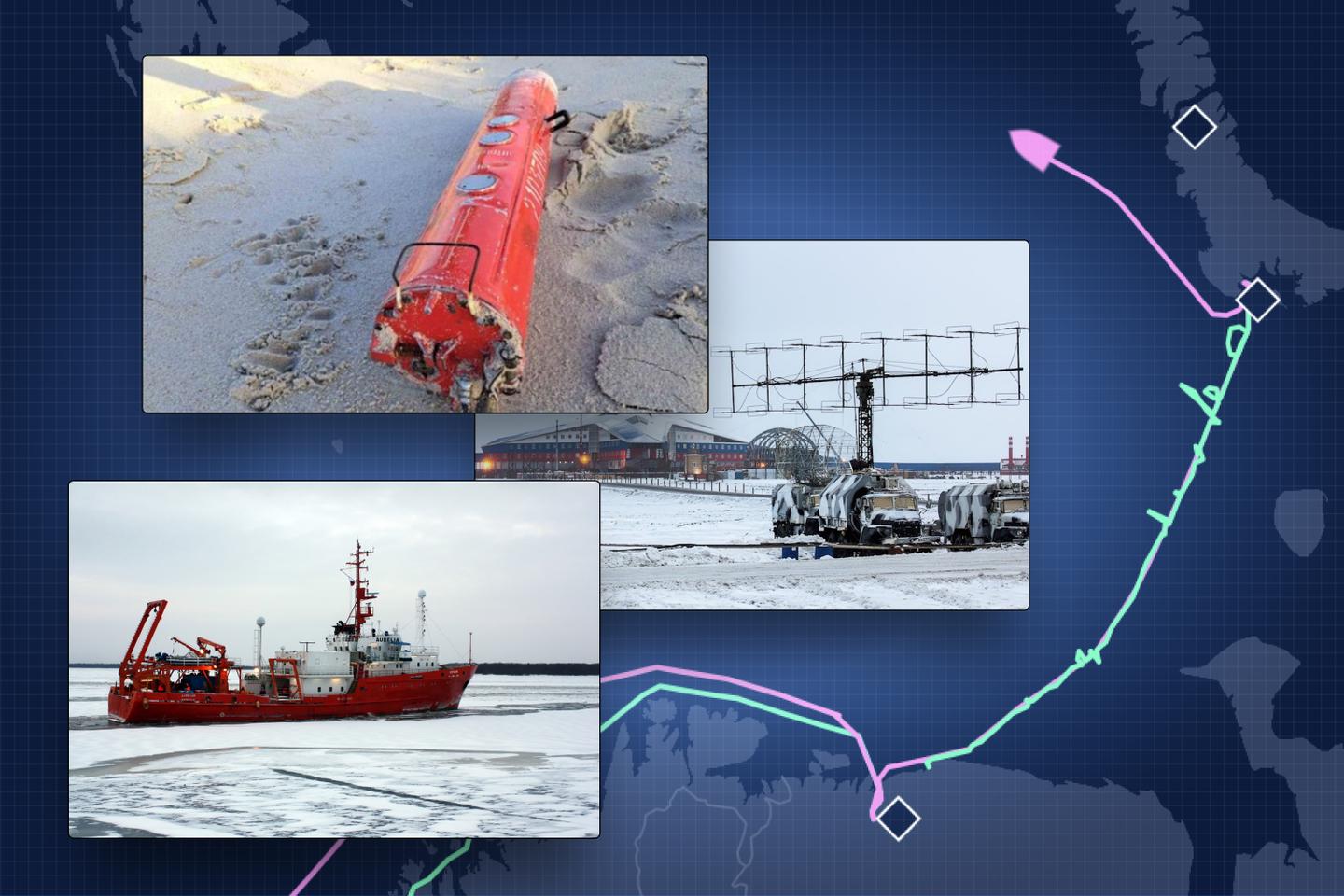
Russia’s Arctic Nuclear Shield: How Western Tech Fuels Moscow’s Underwater Surveillance
the notion seems almost unbelievable – advanced Western technology bolstering Russia’s defenses, particularly its nuclear arsenal in the Arctic, amidst the ongoing conflict in Ukraine and escalating military tensions with Europe. Yet,a detailed examination reveals a complex reality: Moscow has quietly constructed a sophisticated underwater surveillance network,and it relies heavily on components sourced from Europe,the United States,and Japan.
This network, dubbed “Harmoniya” (harmony), isn’t simply a collection of cables and sensors. Its a strategic system designed too detect and monitor NATO submarines operating near Russia’s critical nuclear sites in the Barents Sea and Arctic Ocean. understanding how this system was built,and the role Western technology plays in it,is crucial for grasping the evolving dynamics of modern warfare and the vulnerabilities in global supply chains.
The Secret Beneath the Waves
For over a decade, Russia has been meticulously deploying thousands of kilometers of underwater cables, advanced sonar systems, and a network of sophisticated sensors. These components form a clandestine listening post, effectively creating an early warning system against potential threats to its nuclear deterrent.
This isn’t a sudden advancement. The project began around 2012, utilizing a web of shell companies to obscure the origins of the technology. Consequently,tracing the supply routes and identifying the specific components has been a critically important challenge. However, through analysis of leaked financial documents, court records, and open-source intelligence, a clearer picture is emerging.
how Western Technology became a Russian Asset
The core of the “Harmoniya” system relies on cutting-edge technology. Specifically, it leverages:
* Advanced Sonar: Crucial for detecting and tracking submarines, these systems require highly sensitive acoustic sensors and signal processing capabilities.
* Underwater Cables: These cables not only transmit data but also provide power to the underwater sensors, demanding robust materials and reliable connectivity.
* Specialized Sensors: A variety of sensors are employed to monitor environmental conditions, detect magnetic anomalies, and identify potential threats.
The surprising element is the origin of these components. Investigations reveal that many originate from Western manufacturers. These weren’t direct sales, of course. Instead,the technology was acquired through a complex network of intermediaries,often involving companies registered in countries with lax export controls.
This raises serious questions about the effectiveness of current export regulations and the potential for circumvention.You might be wondering how this was possible. The answer lies in the intricate world of international trade and the difficulty of tracking components as they move through multiple layers of suppliers and distributors.
Implications for Global Security
The existence of “harmoniya” and its reliance on Western technology has profound implications.
Firstly, it demonstrates Russia’s commitment to bolstering its Arctic defenses. The Arctic is becoming increasingly strategically critically important due to climate change, which is opening up new shipping routes and access to valuable resources.Protecting its nuclear assets in this region is a top priority for Moscow.
Secondly, it highlights a critical vulnerability in the global security landscape. The fact that Russia was able to acquire advanced technology through indirect means raises concerns about the potential for other nations to do the same.This underscores the need for stronger export controls and greater openness in international trade.
it forces a reassessment of the nature of modern conflict. Warfare is no longer solely about direct military confrontation. It’s also about exploiting vulnerabilities in supply chains,leveraging technology,and operating in the grey areas between peace and war.
Addressing the Risks: What can Be Done?
preventing similar situations in the future requires a multi-faceted approach. Here are some key steps:
* Strengthen Export Controls: governments need to tighten regulations on the export of sensitive technologies, particularly those with potential military applications.
* Enhance Supply Chain Transparency: Increased visibility into supply chains is essential for identifying and preventing the diversion of components to unauthorized end-users.
* Improve International Cooperation: Collaboration between nations is crucial for sharing information and coordinating efforts to combat illicit technology transfer.
* Invest in Counterintelligence: Robust counterintelligence capabilities are needed
Worth a look