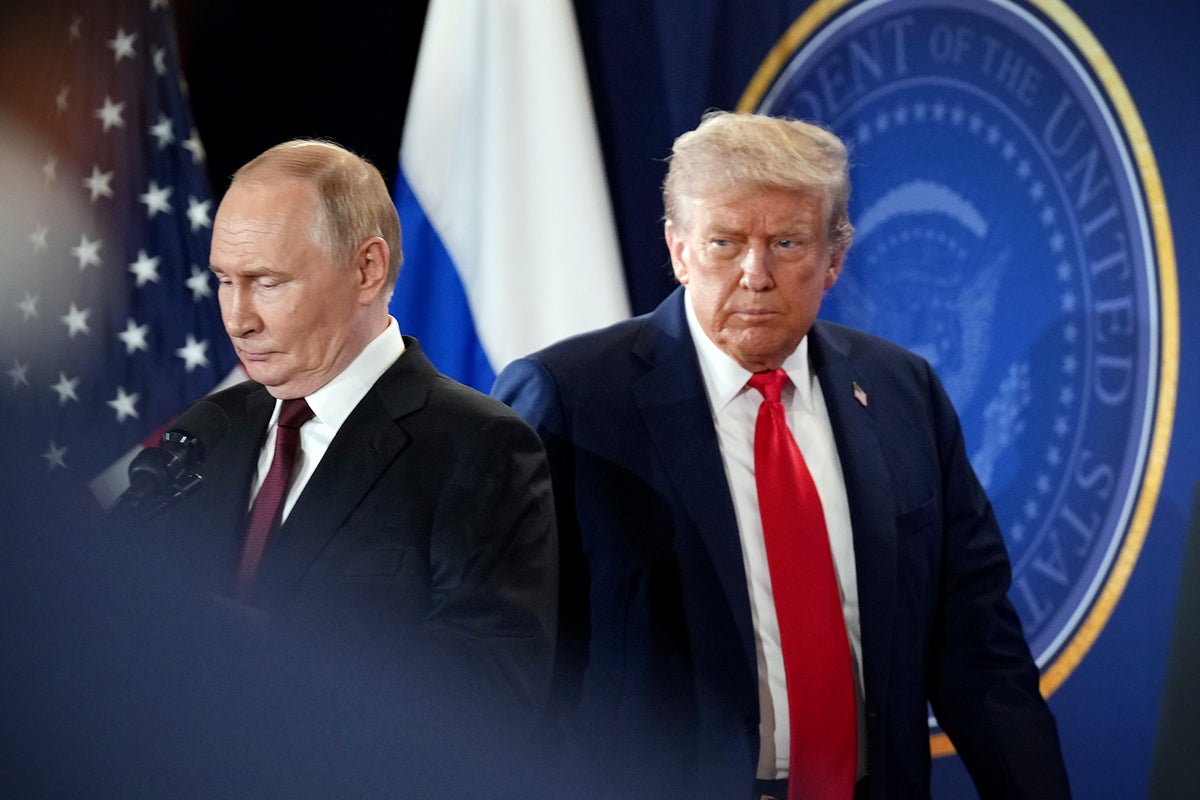
New sanctions on Russian Oil: A Limited Impact on the Ukraine War,But a Growing Pressure Point
Recent sanctions imposed by the U.S. and the UK targeting Russian oil revenues represent a notable, though likely insufficient, escalation in the economic pressure campaign against Moscow. These measures, while welcomed by Ukraine and its allies, are unlikely too cripple Russia’s war effort in the immediate future. However, they signal a shift in approach and could force arduous choices within the Kremlin.
For too long, Western nations have been accused of a cautious approach to directly targeting Russia’s primary source of income – its energy sector. This hesitancy appears to be waning, with the U.S. and UK taking decisive action. Whether the European Union will follow suit with similarly robust measures remains a critical question.
Understanding the New Sanctions
The latest sanctions focus on disrupting Russia’s ability to sell oil at profitable prices. Specifically, the U.S. measures include the threat of secondary penalties. This means companies anywhere in the world could face repercussions for dealing with Russian oil, significantly complicating trade.
Here’s a breakdown of the key implications:
* Reduced Revenue: these sanctions are expected to directly impact Russia’s oil profits, limiting the Kremlin’s financial resources.
* Trade-offs for Moscow: Russia will likely be forced to make difficult decisions between funding its military operations in Ukraine and maintaining economic stability at home.
* Growing pressure: The sanctions add to the existing economic strain on Russia, which is already grappling with a struggling economy.
A Shift in Western policy
Previously, many of Ukraine’s allies were described as “timid” in their willingness to aggressively target Russian oil. This reluctance stemmed from concerns about global energy markets and potential economic fallout in their own countries. Now, a more assertive stance is emerging, driven in part by Ukraine’s continued resilience and its own targeted attacks on Russia’s energy infrastructure.
You might be wondering why this shift is happening now.The answer is multifaceted, but it reflects a growing recognition that a stronger economic response is necessary to influence Moscow’s behavior.
Limited Impact on the Battlefield – For Now
despite the potential economic consequences, experts believe these sanctions are unlikely to dramatically alter the military balance in Ukraine in the short term. Russia has demonstrated a capacity to adapt and find choice revenue streams, albeit at a cost.
Though, the cumulative effect of sustained economic pressure could become more significant over time. As Russia’s economy weakens, its ability to sustain a prolonged conflict will inevitably be challenged.
The Kremlin’s Dilemma
Russia’s economic situation is increasingly precarious. The Kremlin understands that further sanctions could destabilize the country and possibly trigger domestic unrest.This creates a difficult dilemma for President Putin: continue to prioritize the war in Ukraine at the expense of the Russian people, or seek a negotiated settlement to alleviate economic pressure.
Ultimately, the effectiveness of these sanctions will depend on several factors, including the extent of international cooperation and Russia’s ability to circumvent the restrictions.But one thing is clear: the economic pressure on Moscow is intensifying, and the kremlin is facing increasingly difficult choices.
Related reading
- Quality publishers are stronger together’ – Ozone offers strength in numbers
- Denemarken betaalt voor zwarte bladzijde: eerste claims in spiraaltjeszaak Groenland – De Telegraaf
- Trump Reignites Election Fraud Debates with Prime-Time Speech (time.news)
- What Is a 'Blue Slip'? The Senate Custom Trump Wants Gone (daybreakwire.com)