Quality publishers are stronger together, a philosophy that has driven the rapid expansion of Ozone, a collaborative advertising alliance founded by prominent media organizations to reclaim value in the digital ecosystem. Launched in the United Kingdom in 2018 by News UK, the Guardian, Telegraph Media Group, and Reach plc, the initiative aims to address the systemic information asymmetry that has historically favored technology platforms over content creators. According to the IAB Internet Advertising Revenue Report, the digital advertising market in the United States alone reached nearly $300 billion in 2025, yet news publishers globally capture only a small fraction of this total, with recent industry data estimating their share at approximately $15.7 billion.
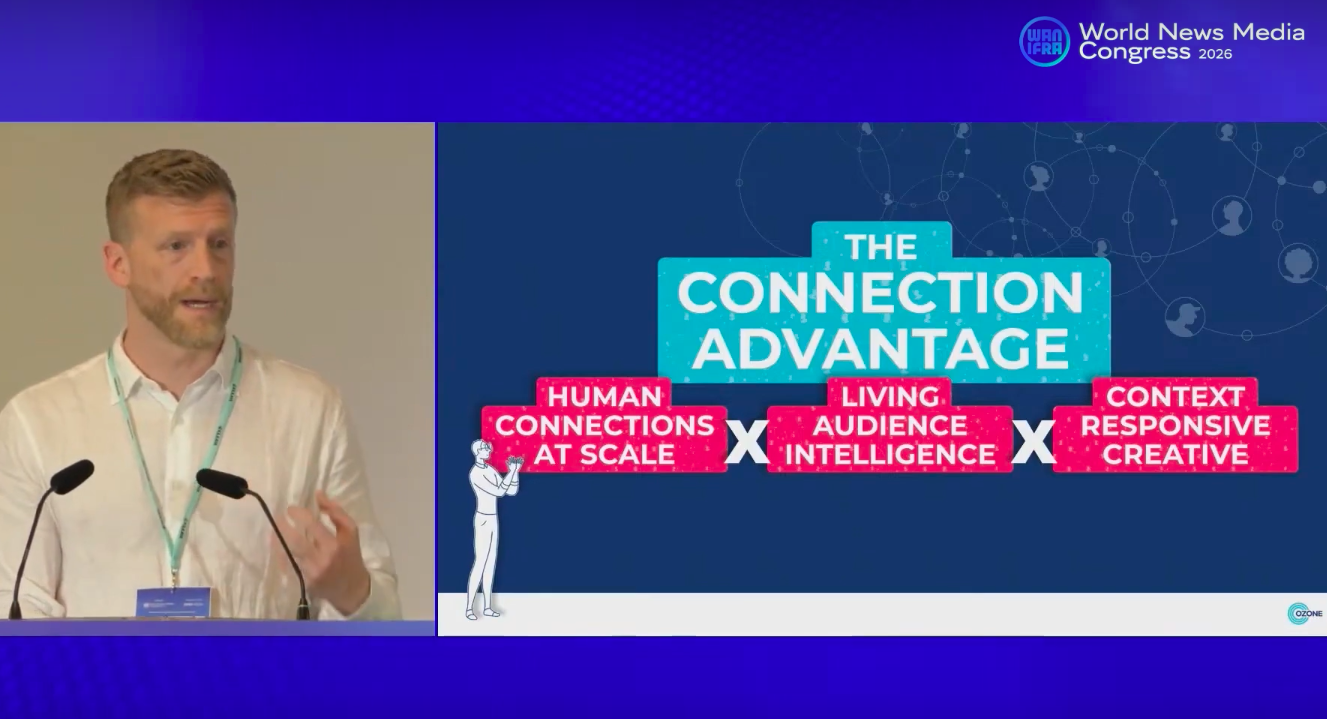
The core mission of the alliance is to ensure that publishers retain the value they create while maintaining control over their first-party data and inventory. Danny Spears, Chief Operating Officer of Ozone, highlighted this mission at the World News Media Congress, emphasizing that the economic challenge facing the industry is whether publishers can effectively secure their financial future against a technology landscape built to extract value from their work. By pooling resources and audience insights, Ozone provides a mechanism for publishers to compete more effectively for advertising budgets at scale.
Ozone has transitioned from a UK-centric project into a global entity, currently maintaining relationships with 75 of the world’s largest media companies.
The alliance’s growth strategy centers on making it easier for marketers to invest in high-quality journalism. By consolidating inventory and data assets, Ozone simplifies the procurement process for advertisers while ensuring that publishers are rewarded for their contributions.
Ozone Labs and the Pursuit of Rapid Innovation
To address the evolving challenges of the digital media sector, the organization recently launched Ozone Labs. This research and innovation vehicle operates independently of the alliance’s core commercial business, allowing it to focus on long-term industry issues that are currently too early for standard product development but too significant to ignore. According to Spears, the lab serves as a testing ground for experimental approaches, including hack days that bring together marketers and publishers to identify potential solutions to industry-wide problems.

This collaborative research effort is designed to build tools that help publishers navigate the current “crossroads moment,” where business leaders must decide whether to act collectively or risk further marginalization within the global digital advertising market. By focusing on transparency and shared knowledge, the initiative aims to build a more robust framework for journalism in the digital age.
For those interested in the technical and strategic details of this model, presentation materials from the World News Media Congress 2026 are available through the official industry knowledge hubs.
We welcome your perspectives on the role of publisher alliances in the comments section below.
Worth a look