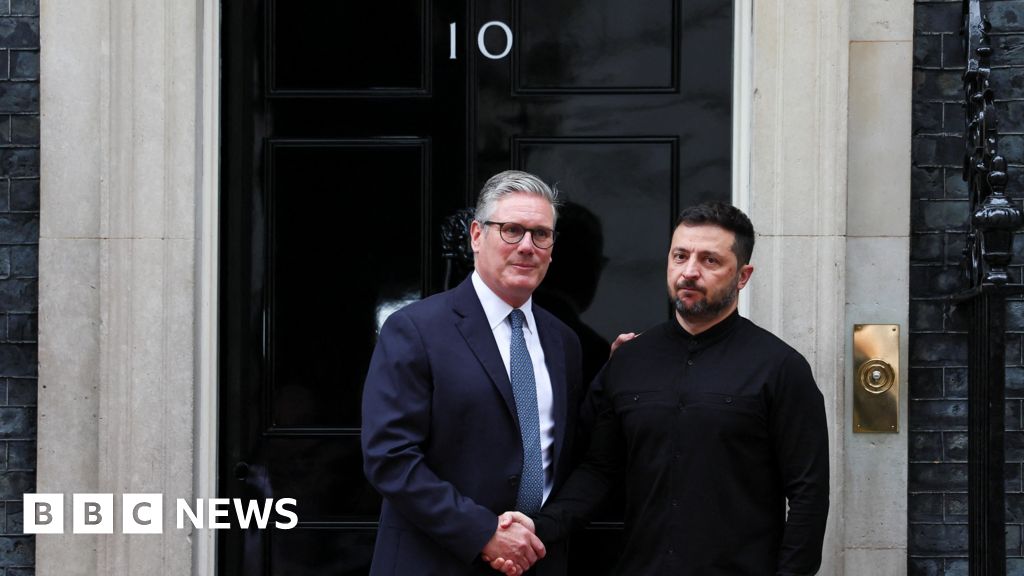
ukraine Secures Support at Brussels Summit, Focus Shifts to Long-Range Arms & Frozen Assets
The recent European Council summit in Brussels saw Ukrainian President Volodymyr Zelensky actively seeking continued support from Western allies, particularly regarding the provision of long-range missile systems. Discussions also centered on innovative financial mechanisms to aid Ukraine, including leveraging frozen Russian assets. LetS break down the key takeaways and what this means for the ongoing conflict.
The Push for Long-Range Capabilities
Long-range missiles remain a critical need for Ukraine as it defends against Russia’s ongoing aggression. President Zelensky has consistently emphasized this requirement during talks with international partners.
Recently,the possibility of the United States supplying Tomahawk cruise missiles to Ukraine surfaced,floated by former president Donald Trump. Though, despite a meeting at the White House, a concrete agreement didn’t materialize.
Financial support: A Complex Landscape
Securing consistent financial aid is paramount for Ukraine’s resilience. Leaders at the summit explored options for bolstering Ukraine’s financial stability over the next two years.
A key proposal involved utilizing approximately €140 billion (roughly £122 billion) in frozen Russian assets to provide financial loans to Ukraine. Unluckily, this plan encountered both political disagreements and importent legal challenges, preventing a full consensus.
Despite the impasse on utilizing the full amount of frozen assets, European leaders did agree to support Ukraine’s financial needs for the coming two years. This commitment signals continued dedication to Ukraine’s economic stability.
New Sanctions and Economic Pressure
The United States has taken further steps to increase economic pressure on Russia. New sanctions were announced targeting Russia’s two largest oil companies, Rosneft and Lukoil.
These measures are designed to compel Moscow to engage in ceasefire negotiations and de-escalate the conflict. Cutting off revenue streams is a key component of this strategy.
Understanding the Conflict’s Current State
Russia initiated its full-scale invasion of Ukraine in February 2022, dramatically escalating a conflict that began in 2014. Currently, Russian forces control approximately 20% of Ukrainian territory.
This includes the Crimean Peninsula, which Moscow illegally annexed in 2014. The situation remains fluid and complex, with ongoing fighting and significant humanitarian consequences.
What This Means for You
You might be wondering how these developments impact the broader global landscape. The conflict in Ukraine has far-reaching implications, affecting energy markets, global supply chains, and international security.
Continued support for Ukraine is vital not only for the country’s sovereignty but also for upholding the principles of international law and preventing further destabilization.
Looking ahead, expect continued diplomatic efforts, ongoing military aid, and a focus on finding sustainable financial solutions to support ukraine in its fight for freedom and self-determination. The path forward will undoubtedly be challenging, but the commitment from Western allies remains strong.
Keep reading