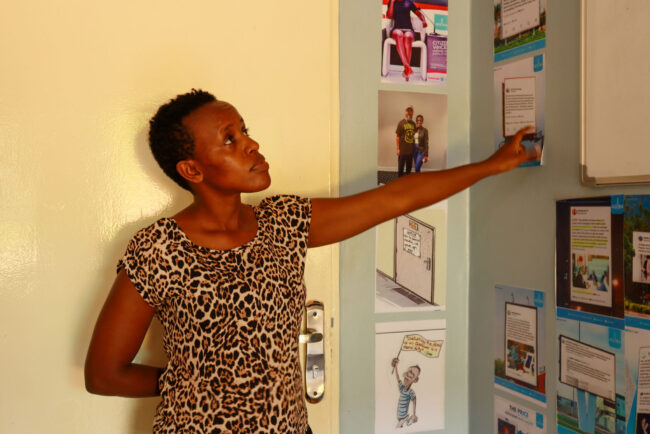
The Growing Threat of Cross-border repression: Silencing Dissent Beyond National Lines
A disturbing trend is emerging – the reach of authoritarian tactics is extending beyond national borders. Activists and human rights defenders are increasingly finding themselves targeted not just within their own countries, but while traveling or working abroad. This phenomenon, known as cross-border repression, poses a notable threat to freedom of expression and the fundamental right to advocate for change.
Recent events highlight the escalating risks. Individuals who speak out against their governments, or simply offer support to those who do, are facing intimidation, harassment, and even physical harm in countries they believed would offer safe haven.
A Case in Point: Tanzania and the Silencing of Activists
Consider the experiences of two Ugandan activists, Atuhaire and Tumusiime. they traveled to Tanzania to observe a treason trial involving a prominent opposition leader. Authorities in Tanzania viewed their presence as political interference.
A government spokesperson asserted that anyone seeking refuge from perceived repression should respect the laws of the countries they visit and refrain from meddling in local politics or security matters. However, Atuhaire and tumusiime vehemently deny any intention of interfering in Tanzanian affairs. they maintain they were simply demonstrating solidarity wiht a fellow activist.
This incident underscores a dangerous pattern. it suggests that simply showing support for someone facing political persecution can now be construed as a antagonistic act. This chilling effect discourages international observation and solidarity, vital components of a functioning human rights system.
why is This Happening?
Several factors contribute to the rise of cross-border repression:
* Increased Authoritarianism: A global surge in authoritarian regimes willing to suppress dissent by any means necessary.
* weak International Mechanisms: A lack of robust international legal frameworks and enforcement mechanisms to protect activists operating across borders.
* Digital Surveillance: The proliferation of digital surveillance technologies allows governments to track and target individuals regardless of their location.
* Geopolitical Alignment: Some governments may tacitly support the actions of others, creating a network of repression.
The Impact on Human Rights Defenders
The consequences of cross-border repression are far-reaching.
* Self-Censorship: Activists may be forced to self-censor their work, fearing repercussions for themselves or their families.
* Reduced Mobility: The threat of being targeted while traveling limits the ability of activists to collaborate and share data.
* Erosion of Trust: It undermines trust in international institutions and the principle of safe haven.
* Silencing of Dissent: Ultimately, it silences critical voices and hinders the pursuit of justice and accountability.
What Can Be done?
Addressing this challenge requires a multi-faceted approach.
* Strengthen International Law: Develop and enforce international legal norms that explicitly prohibit cross-border repression.
* Enhanced Diplomatic Pressure: Governments must publicly condemn and impose sanctions on states engaging in these practices.
* Support for activists: Provide financial and logistical support to activists at risk,including safe travel arrangements and legal assistance.
* Increased Awareness: Raise public awareness about the issue and its implications for human rights.
* Protect Digital security: Equip activists with the tools and training to protect themselves from digital surveillance and harassment.
Despite facing intimidation and hardship, activists like Atuhaire remain undeterred. “What happened to me in Tanzania made me stronger,” she asserts. “I am not scared. I will go back to Tanzania in solidarity with other human rights defenders when that time comes.”
Her courage, and that of countless others, is a testament to the enduring power of the human spirit. But it’s a spirit that needs – and deserves - our unwavering support. You can play a role by staying informed, advocating for change, and standing in solidarity with those who risk everything to defend our shared values.
Kato Tumusiime, a Ugandan human rights lawyer, emphasizes that this practice violates fundamental rights to freedom of movement, as guaranteed by regional and African
Related reading