The Silent Killer of NapoleonS Army: Disease, Not Just the Russian Winter
Napoleon’s 1812 invasion of Russia is infamous for the brutal winter that decimated his Grande Armée. However, recent research reveals a chilling truth: the cold wasn’t the sole, or even primary, culprit. A previously underestimated enemy - Salmonella enterica – played a devastating role in the French army’s catastrophic defeat.
The Retreat from Moscow: A Descent into Hell
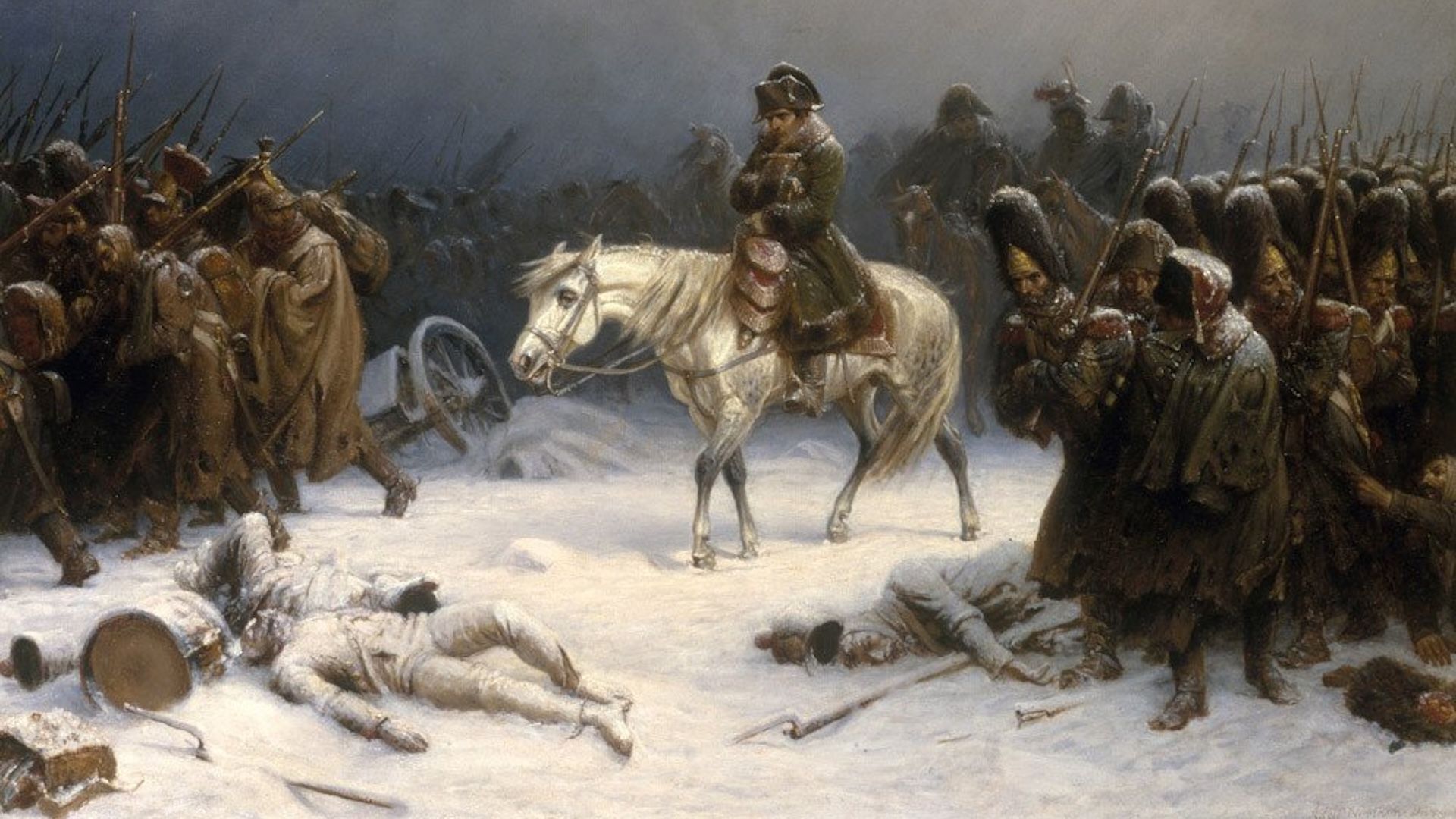
Initially, Alexander I attempted to negotiate peace with Napoleon. Regrettably, Russian forces implemented a scorched-earth policy, burning Moscow to the ground and leaving the invading army without supplies. This forced a harrowing retreat of approximately 800 miles (1,300 kilometers) on foot, coinciding with the onset of the unforgiving Russian winter.
Moscow winters are notoriously severe, with temperatures plummeting to as low as -16 degrees Fahrenheit (-27 degrees Celsius). Imagine facing such conditions already weakened by dwindling resources.
Beyond the Cold: The Rise of Salmonella
Survivors recounted horrific scenes of starving soldiers battling blinding snowstorms, their inadequate uniforms offering little protection. As desperation grew, soldiers resorted to consuming anything available – horses, dogs, and even tree bark – just to survive. Tragically, many succumbed to the elements, collapsing from exhaustion and freezing to death.
But new evidence suggests a hidden killer was at work. Scientists have discovered traces of Salmonella enterica,a bacterium causing severe foodborne illness,in the remains of Napoleon’s soldiers. This finding dramatically shifts our understanding of the campaign’s outcome.
How Salmonella Spread Through the Ranks
The conditions of the retreat were ripe for a Salmonella outbreak. Consider these factors:
* Poor Sanitation: A massive army on the move lacks proper hygiene facilities.
* Contaminated Food & Water: Limited supplies meant soldiers consumed whatever they could find, often of questionable quality.
* Weakened Immune Systems: Malnutrition and exposure to extreme cold severely compromised soldiers’ ability to fight off infection.
* Close Quarters: Crowded conditions facilitated the rapid spread of disease.
Essentially,the retreat created a perfect storm for a widespread Salmonella epidemic.
A Past Pattern: Disease and Warfare
This isn’t an isolated incident. Experts believe disease has historically claimed more lives in warfare than actual combat. Carles Lalueza-Fox, a geneticist at the Institute of Biology and Evolution in Barcelona, has studied Salmonella traces in the remains of Spanish soldiers from 1652. He emphasizes the inextricable link between history, military campaigns, migration patterns, and the spread of pathogens.
Lalueza-Fox notes that epidemics have far-reaching consequences, impacting not onyl mortality rates but also social, political, and cultural landscapes. Biology and archaeology are increasingly providing crucial details to refine our understanding of historical events.
Reassessing Historical Narratives
The finding of Salmonella in Napoleon’s army compels us to re-evaluate the traditional narrative of the Russian campaign. While the winter undoubtedly played a role, it appears disease was a far more meaningful factor in the french army’s demise.
You can now appreciate how understanding the impact of past pathogens offers a more complete and nuanced picture of history. It’s a reminder that even the most meticulously planned military strategies can be undone by forces beyond the battlefield.
This research underscores the importance of interdisciplinary approaches - combining historical analysis with scientific inquiry – to unlock the secrets of the past and gain a deeper understanding of the human experience.