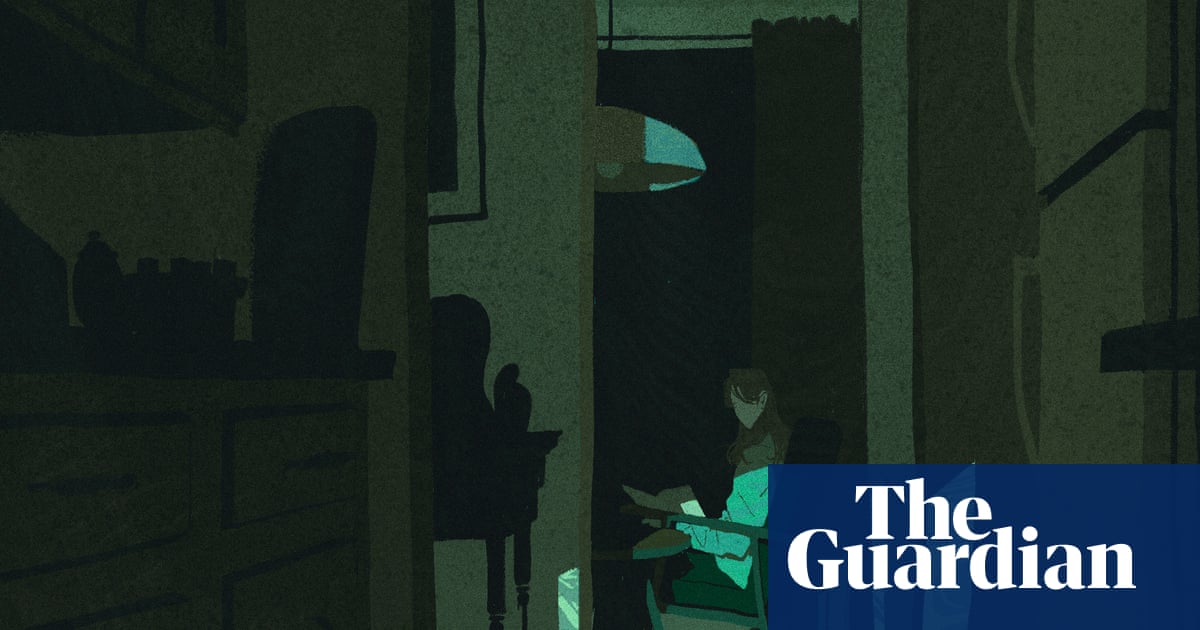
The Evolution of Fear: How Parenthood & Current Events Reshape What Truly Scares Us
We all seek out a good scare,weather through late-night horror movies or the pages of a chilling novel. But what truly frightens us isn’t static. It evolves with life experience, shifting anxieties, and a changing world. As a lifelong horror enthusiast and author, I’ve found my own personal barometer of fear has dramatically recalibrated over the years.
for many of us, childhood fears – the monsters under the bed, the villains in books - hold a nostalgic, almost comforting terror. I spent my youth immersed in the worlds of Stephen King, devouring The Shining and Pet Sematary. However,revisiting those stories as an adult felt…different. The impact wasn’t the same. your fears change,and with them,the stories that truly resonate.
The Shift: From Childhood Boogeymen to Parental Nightmares
That realization hit home powerfully with the arrival of my daughter. Suddenly, the publication of Doctor Sleep, King’s sequel to The Shining, in 2013, landed with a visceral weight it wouldn’t have had before. It wasn’t the supernatural elements that gripped me, but the core threat: harm coming to a child.
Doctor Sleep introduces the True Knot,a group of psychic vampires who prey on children possessing “the shining,” feeding on their life force. King masterfully avoids graphic detail, but a single line burrowed into my mind: “The boy lasted a long time. He screamed until his vocal cords ruptured and his cries became husky barks.”
I found myself obsessing over that image. As a parent, the thought of anyone inflicting such suffering on a child is profoundly disturbing. It’s a fear that transcends the fictional realm and taps into a primal, protective instinct.
Beyond the Personal: reflecting Societal Anxieties in Horror
This shift in perspective highlights a crucial point about horror: it often reflects our collective anxieties. And right now, those anxieties are running high. The stories that truly unsettle us aren’t just about ghosts and goblins; they’re about the fragility of our world and the threats we perceive around us.
Consider Cormac McCarthy’s The Road. It’s a relentlessly bleak, post-apocalyptic novel that doesn’t offer easy answers or comforting resolutions. It’s a story about survival, desperation, and the enduring bond between a father and son in a world stripped bare.
What makes The Road so terrifying is its realism. McCarthy deliberately avoids explaining the catastrophe that led to the world’s downfall - attributing it to climate change is a common interpretation, but the why isn’t the point. The focus is on the how of survival, and the chilling depiction of a society reduced to its most basic, brutal instincts.
* The Power of Verisimilitude: I experienced this firsthand while listening to the audiobook on a road trip. The story’s increasing darkness mirrored the miles passing by, creating an unsettlingly immersive experience.
* A Reflection of Inequality: McCarthy’s choice to only portray the “have-nots” is particularly astute. It underscores the idea that even those with resources are ultimately vulnerable when civilization collapses.
* A Stark warning: The novel subtly suggests that our interconnectedness is frequently enough overlooked, and that collective action is crucial for survival.
Ultimately, the most effective horror doesn’t just aim to scare you; it forces you to confront uncomfortable truths about yourself and the world around you. It taps into your deepest fears, and reminds you that sometimes, the real monsters aren’t supernatural – they’re all too human.
About the Author:
Alma katsu is a novelist known for her atmospheric and suspenseful works, often blending past fiction with elements of horror and the supernatural. Her latest novel, Fiend, is available now.
Resources:
* [Fiend by Alma katsu](https://guardianbookshop.com/fiend-97818354145
Worth a look