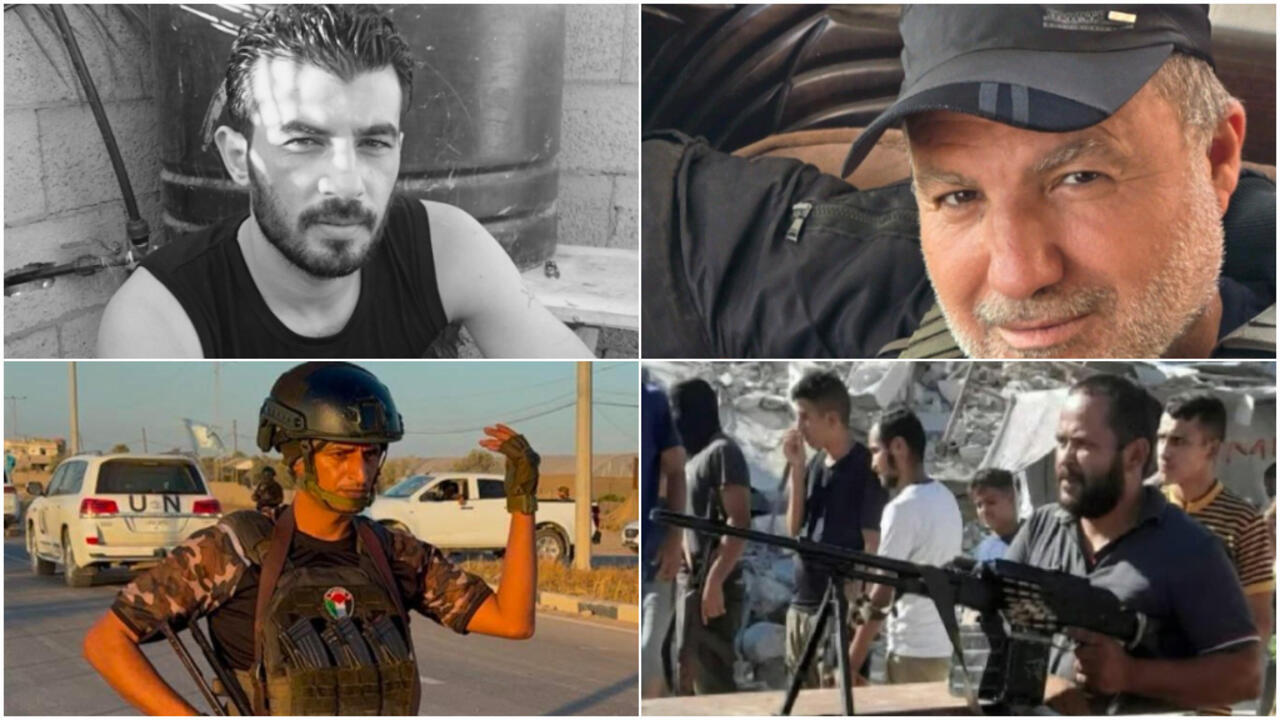
The Looming Crisis in Gaza: Beyond the Ceasefire
The recent ceasefire offers a fragile pause, but the underlying tensions in Gaza are escalating towards a risky precipice. While international attention focuses on the aftermath of conflict with Israel, a separate, equally concerning struggle is brewing within Gaza itself. Widespread violence remains high, and the potential for a full-blown internal conflict is growing daily.
You might be wondering what’s driving this new threat. It’s a complex interplay of power vacuums, accusations of collaboration, and the tightening grip of Hamas. Let’s break down the situation and what it means for the future of the region.
The Rise of Internal conflict
For months, Hamas has been reasserting control over Gaza, filling the spaces left by the recent withdrawal of Israeli forces. However, this isn’t a simple return to order. Instead, it’s accompanied by a disturbing trend: public executions and accusations leveled against rival groups and individuals.
these accusations, primarily centered around alleged collaboration with Israel and the looting of aid, are particularly alarming.Hamas claims to be rooting out corruption and maintaining security, but many fear a darker motive.
Here’s what experts are saying:
* A Potential Civil War: Some believe Gaza is sliding towards a civil war,with various factions vying for dominance. As long as no single group holds absolute power, localized violence will likely continue to escalate.
* Authoritarian Repression: Others warn of a more insidious outcome – a complete takeover by Hamas, leading to widespread repression and the silencing of dissent. This isn’t a battle between equals, but a power grab fueled by fear and control.
The Tactics of Control
Hamas isn’t just relying on force. They are actively manipulating the narrative to consolidate their power. Consider these key strategies:
* demonizing Opponents: By labeling rivals as “collaborators” or “gangs,” Hamas delegitimizes any opposition and justifies harsh actions. This tactic effectively stifles alternative voices.
* Monopolizing Facts: controlling the narrative is crucial. Hamas’s ability to shape the story prevents any competing viewpoints from gaining traction.
* Exploiting fear: The use of public executions serves as a chilling reminder of the consequences of defiance. This creates an atmosphere of terror,ensuring compliance.
What Does This Mean for You?
This situation isn’t just a regional concern; it has broader implications. A destabilized Gaza impacts regional security, humanitarian efforts, and the prospects for a lasting peace.
You may be asking yourself, “What can be done?” The international community, along with the Palestinian Authority, must urgently intervene to prevent further escalation. This requires:
* Diplomatic Pressure: Applying pressure on Hamas to cease its repressive tactics and engage in dialog.
* Humanitarian Support: Ensuring aid reaches those who need it most, without being diverted or used as a tool for control.
* Promoting Accountability: Holding those responsible for human rights abuses accountable for their actions.
The situation in Gaza is incredibly fragile. The current calm is deceptive. Without swift and decisive action, the region risks descending into a deeper crisis, one that will have devastating consequences for everyone involved. It’s time for a renewed focus on de-escalation, accountability, and a genuine commitment to a peaceful future for Gaza.