The Climate Crisis is Disrupting Animal Migrations – And It’s a Warning for Us All
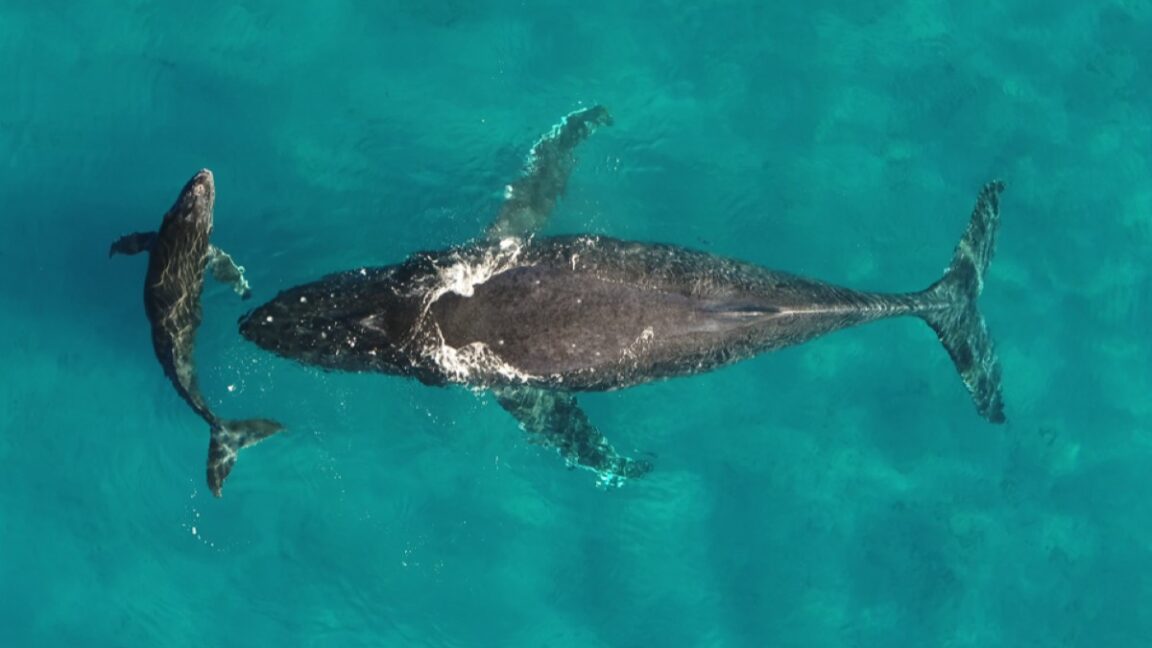
For millennia, the planet’s largest creatures – humpback, fin, and blue whales – have navigated remarkable journeys. These migrations, spanning vast distances between tropical breeding grounds and polar feeding destinations, are some of the most remarkable feats in the natural world. But a silent disruptor is throwing these ancient rhythms into chaos: climate change.
These aren’t isolated incidents. A growing body of evidence reveals that climate change is impacting migratory species across the globe, threatening not just the animals themselves, but the delicate balance of our ecosystems – and ultimately, your well-being.
A Global Crisis Unveiled
Earlier this year,over 70 scientists convened by the United Nations Convention on the Conservation of Migratory Species of Wild Animals (CMS) issued a stark warning. Their report, the first of its kind, detailed the widespread and accelerating impact of climate change on migratory species. the findings are alarming: nearly all migratory species are now affected.
More than 20% of these species are currently facing the threat of extinction.This isn’t simply an environmental concern; it’s a signal of broader ecological instability.
How Climate Change Disrupts Migration
The disruption takes many forms, all stemming from a rapidly changing climate. Here’s a breakdown of the key impacts:
* Scrambled Signals: Whales rely on a complex interplay of memory and environmental cues to guide their migrations. rising temperatures and altered ocean currents are “scrambling these signals,” causing whales to deviate from established routes.
* Habitat Loss: Critical habitats are vanishing. Warming waters are decimating seagrass meadows – vital feeding grounds for sea turtles and dugongs. We’ve already lost around 30% of the world’s seagrass beds, a loss that impacts both marine life and human coastal protection.
* Mismatched timing: Migratory birds are arriving at their Arctic breeding grounds out of sync with peak insect blooms, leaving their chicks without a crucial food source. This timing mismatch is becoming increasingly common.
* Increased Conflict: Intensifying droughts are forcing animals like Asian elephants to seek food and water closer to human settlements, leading to more frequent and dangerous human-wildlife conflicts.
* Extreme Weather: Cyclones and other extreme weather events, becoming more frequent and intense due to climate change, are destroying habitats and disrupting migratory patterns.
Why This Matters to You
The fate of migratory species isn’t separate from your own.These animals play critical roles in maintaining healthy ecosystems, which provide essential services for all of us.
Consider these points:
* Ecosystem Health: Migratory species contribute to pollination, seed dispersal, and nutrient cycling – processes vital for agriculture and food security.
* Carbon Sequestration: Habitats like seagrass meadows, crucial for migratory species, are also powerful carbon sinks, helping to mitigate climate change. Losing these habitats accelerates the climate crisis.
* Economic Impacts: Many communities rely on migratory species for tourism, fishing, and other economic activities. Their decline has direct economic consequences.
* Early Warning System: Migratory species act as indicators of environmental health. Their struggles are a warning sign that our planet is under stress.
What Can Be Done?
The situation is urgent, but not hopeless. Protecting migratory species requires a multi-faceted approach:
* Reduce Greenhouse Gas Emissions: The most critical step is to address the root cause of the problem – climate change. Aggressive action to reduce greenhouse gas emissions is essential.
* Habitat Conservation & Restoration: Protecting and restoring critical habitats, like seagrass meadows and breeding grounds, is vital.
* International Cooperation: Migratory species cross borders, requiring international collaboration to ensure their protection. The CMS plays a crucial role in this effort.
* Sustainable Practices: Promoting sustainable fishing, agriculture, and tourism practices can minimize human impact on migratory species.
* Increased Monitoring & Research: Continued monitoring and research are needed to understand the evolving impacts of climate change and inform conservation efforts.
The disruption of animal migrations is a clear signal that the climate crisis is here, and its effects are far-reaching. Protecting these amazing journeys isn’t just about saving animals; it’s about safeguarding the health of our planet and ensuring a sustainable future for all.
Worth a look